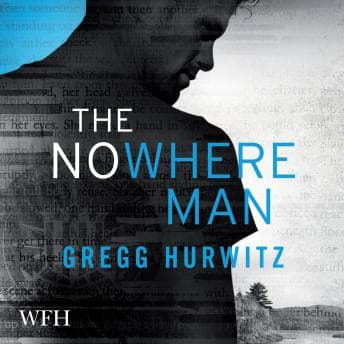

"You were taken. You were trained. Now you're trapped."
Somewhere around hour three, I nearly rear-ended a minivan because I was so locked into Evan Smoak waking up in that gilded cage. My hands were white-knuckling the steering wheel at 6:47 AM, post-shift exhaustion completely forgotten. Carlos texted asking where I was. I'd been sitting in our driveway for twenty minutes.
When the Medical Details Actually Land
As someone who's actually worked a code, I'm always bracing for thriller writers to butcher the medical stuff. Hurwitz doesn't. When Evan's drugged and disoriented, the description of coming out of sedation—the confusion, the muscle weakness, the way your brain fights through the fog—it's accurate. Finally. The physical toll of captivity on a body, the dehydration, the way adrenaline can only carry you so far before biology wins. This is not how most books handle it. Trust me, I've yelled at my dashboard plenty.
The torture sequences (and there are several) walk that line between realistic and gratuitous. I've seen trauma patients. I've seen what prolonged stress does to human tissue. Hurwitz clearly did his homework, and while I won't say it's comfortable listening, it's not the cartoonish violence you get in lesser thrillers. Unlike Man Who Knew Too Much, where the tension felt manufactured, this one earns every uncomfortable moment.
Scott Brick IS This Character
Here's the thing about Scott Brick voicing Evan Smoak—his rough, gravelly delivery gives our protagonist this secretive, mysterious aura that just works. Evan's supposed to be a ghost, a man who doesn't exist, and Brick sounds like someone who's spent decades not being found. During the introspective moments—and there are plenty, because this book strips Evan down to his soul—Brick slows the pace, lets the weight of the words breathe.
The action sequences? Different energy entirely. Quick, clipped, controlled. My heart rate actually spiked during the escape attempts. Not great for someone coming off a twelve-hour shift in a Level 1 trauma center, but whatever. Worth it.
Now. The female voices. They're... fine. Brick's a talented narrator, but his women sound like men doing women. It's not terrible, but every time a female character spoke, I was briefly yanked out of the story. Minor complaint in the grand scheme, but it's there.
The Locked Room That Isn't Really a Locked Room
This is book two in the Orphan X series, and Hurwitz does something clever here—he takes his hyper-competent protagonist and puts him in a situation where competence alone won't save him. Evan's locked up. He's got guards. He's got surveillance. And he's still getting calls from people who need the Nowhere Man's help.
The multiple plot threads weaving together had me genuinely guessing. Not in a "I can't follow this" way, but in a "how the hell is he going to pull this off" way. The ending—and I won't spoil it—left me sitting in my car again, this time at the grocery store parking lot, muttering "are you kidding me" at my phone. Cliffhanger. A big one.
Who Should Plug In (And Who Should Skip)
This is not background listening. Don't try to chart while this is playing. Don't fold laundry. The plot requires your attention, and you'll want to give it anyway.
Perfect for: Long commutes, road trips, any situation where you can focus. Post-shift decompression when you need something to occupy your brain so you don't replay that difficult patient interaction for the hundredth time.
Skip if: You need something light. This book has violence, language (frequent F-bombs, which—honestly, accurate for the situations depicted), and intensity that doesn't let up. Also skip if you haven't read book one. You can probably follow along, but you'll miss the emotional weight.
Night Shift Approved
Twelve hours and fifteen minutes sounds like a commitment, but it flew by. I finished it in four shifts' worth of commutes and one long Saturday morning while Carlos took the kids to soccer. My only regret is that I didn't have book three queued up and ready.
Carlos asked why I was crying in the car. I blamed allergies. It was not allergies. It was watching a man who's spent his whole life being a weapon finally reckon with what that costs.
My mom would love this. She still thinks I should've been a doctor, but she'd appreciate a protagonist who's methodical, precise, and saves people. Even if his methods are significantly more violent than mine.