
The Scene
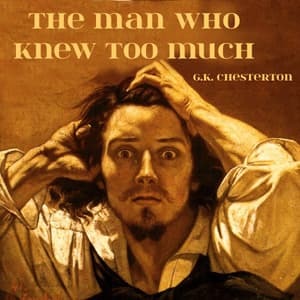
Okay, so picture this: it's 11 PM, I'm shelving returns at the library (yes, I work late sometimes, the quiet is worth it), and I've got my earbuds in because honestly, reshelving Dewey Decimal is not exactly intellectually stimulating. I needed something to keep my brain occupied, and I'd been meaning to dig into more Chesterton beyond Father Brown for ages. The Man Who Knew Too Much seemed like the obvious next step.
And look, here's the thing - this isn't horror. I know, I know, stay with me. But Chesterton writes mysteries with this creeping sense of moral dread that scratches a similar itch. The man understood that the scariest thing isn't a monster in the dark. It's knowing too much about the people in power and being utterly helpless to do anything about it. That's horror adjacent enough for me.
Horne Fisher Is Not Father Brown (And That's The Problem)
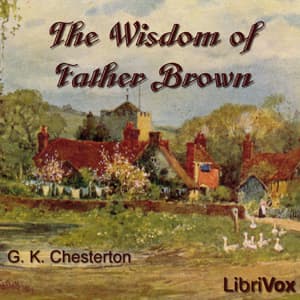
So Horne Fisher, our protagonist, is basically the anti-Father Brown. Where Brown is this humble, unassuming priest who sees the good in humanity, Fisher is a weary aristocrat who's related to half the corrupt politicians in England and knows exactly how rotten the whole system is. If you want more of Brown's optimism, Clifton also narrates Wisdom of Father Brown, which is basically the antidote to this collection's cynicism. It's a fascinating premise - a detective who solves crimes but can't actually bring anyone to justice because, well, they're his cousins. Or his uncle's business partner. Or someone who could bring down the government if exposed.
The problem? It gets repetitive. Fast.
By the third story, I could predict the pattern: mysterious death, Fisher figures it out, Fisher explains why nothing can be done, everyone goes home slightly more disillusioned. Chesterton's making a point about institutional corruption and the moral compromises of the ruling class, and honestly? It's prescient. Still relevant. But as a mystery collection, it starts to feel like eating the same meal eight times in a row. Delicious the first time, tedious by dessert.
Martin Clifton Does The Heavy Lifting
Here's where the audiobook format actually saves this from being a slog. Martin Clifton - and I couldn't find much about him online beyond his Librivox work, but based on this performance - the man commits. That's rare.
His British accent is crisp without being stuffy, and he's got this way of reading Chesterton's paradoxical prose that makes it feel like conversation rather than lecture. Chesterton loved his witty inversions and philosophical tangents, the kind of sentences that look intimidating on the page. Clifton smooths them out. He finds the rhythm in lines that could easily become tongue-twisters. He brings that same careful attention to pacing in Crome Yellow, another dense literary piece that could easily become a slog in the wrong hands.
The character voices aren't wildly distinct - this isn't a full-cast production or anything - but there's enough variation that I never lost track of who was speaking. Fisher gets this tired, almost resigned quality that fits perfectly. The various politicians and suspects blend together a bit, but honestly, I think that's intentional? They're all the same type of man, morally speaking.
What I appreciated most: Clifton doesn't try to make this more exciting than it is. He respects the material's contemplative pace. Some narrators would punch up the murder reveals, add dramatic pauses, try to inject thriller energy where it doesn't belong. Clifton understands this isn't that kind of mystery. It's melancholy detective fiction. He leans into that.
The Listening Experience (Or: Why I Finished This At 1 AM)
At just under six hours, this is a manageable listen. I finished it across three shifts of library work and one very long session of cleaning my apartment while Shirley (my cat) judged me from the couch. She was unimpressed. I was... contemplative?
The stories work better as background listening than active engagement, I'll be honest. When I was focused - really paying attention - I found myself getting frustrated with the repetitive structure. When I let it wash over me while doing mindless tasks? Much better experience. Clifton's voice is pleasant enough to just exist in.
I did speed it up to 1.25x about halfway through. Not because Clifton reads slowly, but because the prose is dense and I needed a little momentum to push through the middle stories. The final story picks up considerably - there's actual stakes, actual consequences - and I dropped back to regular speed for that.
Who Should Listen (And Who Should Skip)
If you're a Chesterton completist, obviously. If you love Father Brown and want to see the cynical flipside of that worldview, this is fascinating. If you're interested in early 20th century social commentary dressed up as detective fiction, you'll find a lot to chew on.
But if you want puzzles? Skip. If you want satisfaction? Skip. If you want the detective to actually, you know, detect in a way that matters? This will frustrate you.
The Verdict
This collection understands that mystery isn't always about solving the crime - sometimes it's about understanding why the crime can never truly be solved. That's bleak. That's Chesterton at his most disillusioned. And Clifton delivers it with exactly the right amount of weary dignity.
My podcast listeners are probably going to find this one too slow, but the literary horror folks - the ones who appreciate dread over jump scares - they might dig it. It's not scary. But it's unsettling in a quiet, persistent way. The horror of complicity. The horror of knowing.
Worth the six hours? For the right listener, absolutely. For everyone else, maybe sample the first story and see if the vibe clicks.