
I spend twelve hours a night fighting to keep people out of the afterlife. So, choosing to listen to Mitch Albom explain what happens after the flatline during my commute? It's a choice. (Carlos says I'm a masochist. He might be right.)
I listened to this on the drive home from a particularly rough shift—Level 1 trauma means you see the messy, loud, violent side of "accidents"—and honestly? I needed this kind of soft landing. It's the anti-trauma center.
Trauma Without the Triage
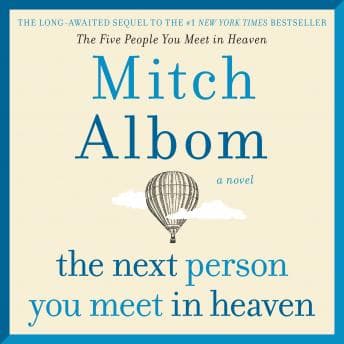
So, we're back with Annie. The little girl Eddie died saving in the first book. She's all grown up now, carrying the scars of that day—literally. She has a reattached hand. (Okay, nurse brain activated: the medical details on the injury were... passable. I didn't yell at the dashboard this time, which is a win.)
The story starts with a wedding and ends with—you guessed it—another accident. It's predictable. You know the formula. She dies, she goes up, she meets five people who explain her life back to her. But here's the thing: Albom writes like he's telling a bedtime story to adults who are scared of the dark. It's comforting. It's not how the ER looks, smells, or sounds. It's the version we hope is true when we're cleaning up a room after a code.
It deals heavily with guilt—Annie's mom, Annie's own confusion. That hit me. We see a lot of guilt in the waiting rooms. Albom takes that ugly feeling and wraps it in cotton. Is it realistic? No. Is it therapeutic? Yeah, kind of.
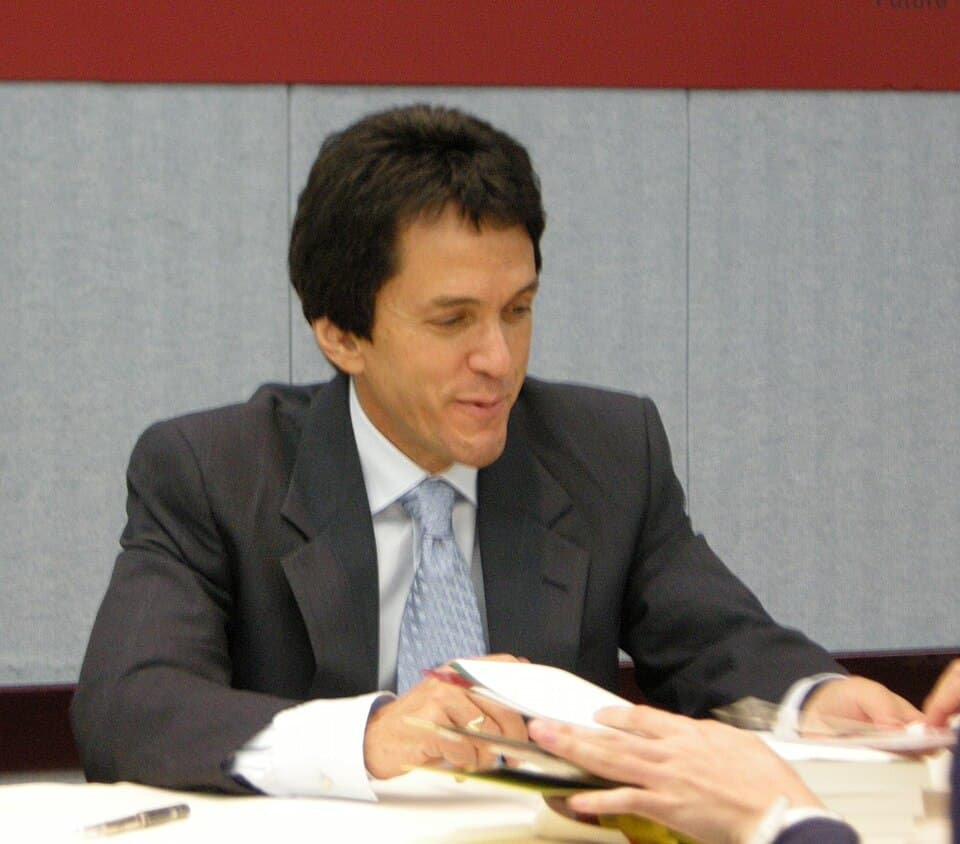
Mitch in the Booth
Mitch narrates this himself. Usually, I have a hard rule: Authors should write, Actors should read. Unless you're Neil Gaiman, stay out of the booth. But Albom has this very specific, gentle cadence. It's sincere. Like a hospital chaplain sitting by the bedside at 3 AM when things are quiet. He believes what he's saying, and that sells it. I got the same sincere, soul-soothing vibe from For One More Day—his voice there is just as much of a gentle anchor, even when the character work gets a little thin.
But. (There's always a but.)
The character voices? A little shaky. When he tries to do distinct voices for the different people Annie meets, it feels... community theater? Not terrible, just distracting. It pulled me out of the trance a few times. I wanted him to just use his "storyteller" voice the whole way through. That voice works. The acting? Less so. The production added some background music and sound effects—usually I hate that, but here, with the fable vibe, it actually worked. Felt like a radio play.
The Driveway Cry
It's short. Under four hours. Basically three commutes for me.
Did it manipulate my emotions? Absolutely. Did I sit in my driveway for ten minutes after pulling in, letting the tears dry so the kids wouldn't ask why Mommy looks sad? Maybe. (Blamed allergies. Always allergies.)
It's about forgiveness. Making peace with the things you can't remember or can't change. It's cheesy, sure. But after a night of dealing with broken bodies, a story about a healed soul is exactly what I needed to decompress.
Who Needs This (And Who Doesn't)
If you loved the first book, you'll love this. Time Keeper scratches that same itch—a fable about the weight of moments that had me full-on sobbing behind my steering wheel. If you need something gentle after hard days—grief, stress, the kind of exhaustion that settles in your bones—this is your audiobook. Skip it if you want plot twists or gritty realism. This is a lullaby, not a thriller.
Clocking Out
Look, I'm not saying Mitch Albom has the afterlife figured out. But after a twelve-hour shift where nothing went right, his version sounds pretty good. Sometimes you don't need truth. You need comfort. This delivers.