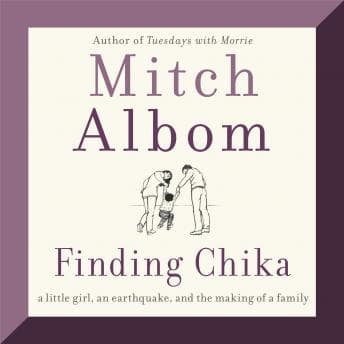

I was sitting in my home office at 10 PM on a Tuesday, prepping a deck for a founder who thinks unit economics are optional, when I decided to put this on. Under five hours. Author-narrated. Nonfiction from the guy who wrote Tuesdays With Morrie. I figured I'd knock it out before midnight and get back to explaining why burning $400K/month with no revenue isn't "growth hacking."
I did not get back to the deck.
The ROI on Vulnerability
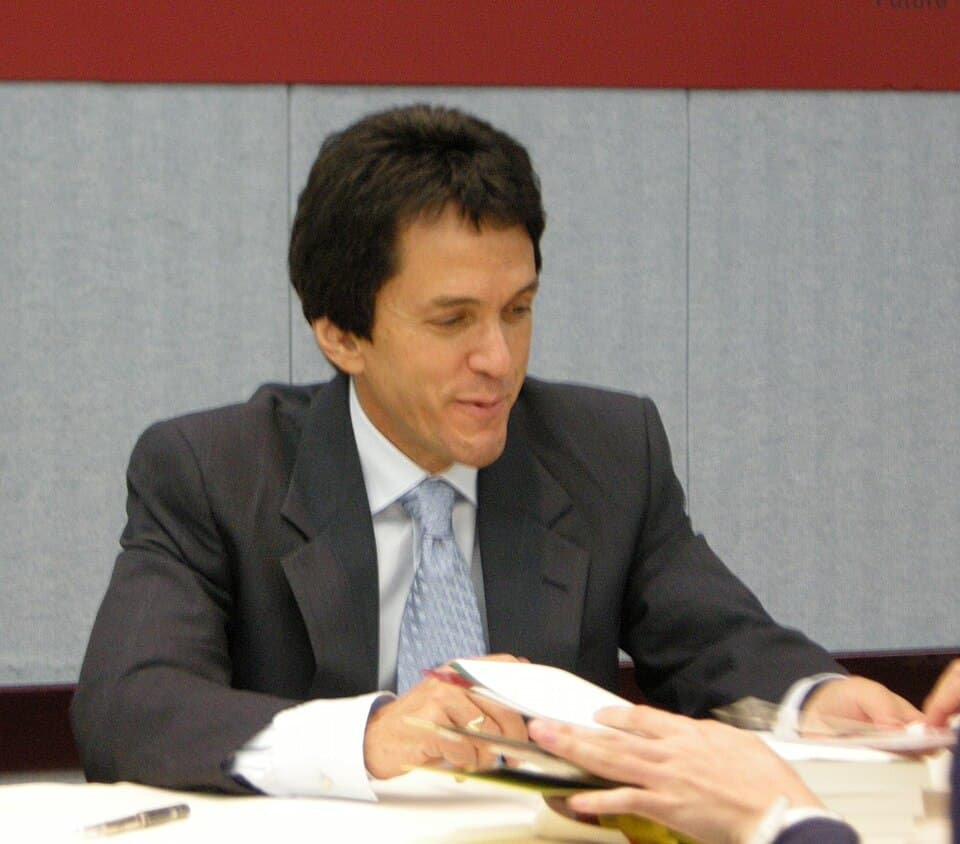
Look, I have a complicated relationship with Mitch Albom. Tuesdays With Morrie was fine - good, even - but it launched an entire cottage industry of life-lesson memoirs that mistake sentimentality for substance. So I went in skeptical. And for the first thirty minutes, I was ready to file this under "successful author processes feelings publicly."
Then Chika's actual voice showed up.
Not Albom doing a kid voice. Not an actress. Chika herself - real audio clips woven into the narration. This bossy, funny, completely fearless little girl just... talking. Correcting Albom. Insisting on things the way only a kid who's already survived more than most adults can insist. And suddenly this isn't a memoir anymore. It's a conversation between a man and a ghost, and you're eavesdropping on something private.
The structure is simple: Albom tells Chika's story - born three days before the 2010 Haiti earthquake, orphaned, brought to the orphanage he runs in Port-au-Prince, diagnosed with a brain condition at five that nobody in Haiti could treat - and he intersperses it with these imagined conversations where Chika appears in his home office and they talk. It could be cheesy. It should be cheesy. But Albom's narration shifts into this father's register when he's speaking to her, and combined with those real voice clips, it just... works. My throat was tight by hour three and I'm a guy who reads P&L statements for fun.
What My Parents Would Recognize
Here's what got me. Albom and his wife Janine had no kids of their own. They ran this orphanage with 40-plus children. And when Chika got sick, they didn't just write a check or make a call. They brought her home. To Detroit. And then they spent two years flying around the world trying to find someone who could fix what was wrong with her.
This is what my parents did instinctively. Now it has a TED talk.
Not the medical part - the part where love isn't a feeling, it's a logistics operation. It's 14-hour days. It's canceling everything else. It's choosing a person and refusing to put them down no matter how heavy it gets. Brené Brown spends a lot of time mapping this territory in Atlas of the Heart, but Albom doesn't need a taxonomy — he just shows you what it looks like from inside the wreckage. Albom doesn't dress this up in inspirational language. He talks about the exhaustion, the medical bureaucracy, the hope that keeps getting smaller. The way Chika would dance in hospital waiting rooms while they were dying inside.
I kept thinking about my mom pressing shirts at 6 AM, six days a week, for twenty years. Different context, same engine underneath. You do the thing because the person matters. Full stop.
Where Tuesdays With Morrie Met Its Match
I'll say it: this is better than Tuesdays With Morrie. And I think it's because Albom isn't learning lessons from a wise old professor this time. He's losing a child. There's no wisdom that makes that okay, and he doesn't pretend there is. The ending - which I won't spoil - had him audibly breaking down while narrating. Not performed emotion. Real tears hitting a real microphone. At 2.0x speed, that moment still stopped me cold.
The audiobook is under five hours, which means Albom actually edited himself. Finally, a business - sorry, a memoir - that respects your time. Every chapter earns its spot. No padding. No repeated anecdotes stretched to fill a page count. Just the story, the girl, the grief.
Jenny would say I'm being harsh when I say most memoirs waste your time. Jenny is right. But this one doesn't.
Who Needs This and Who Doesn't
If you want frameworks and action items, this isn't your book. If you think emotions are inefficient, skip it. But if you've ever built something - a company, a family, a life - knowing full well it might not survive, and you did it anyway? Listen to this. Preferably alone. Preferably somewhere you can ugly-cry without a Zoom camera catching you.
Don't listen at bedtime unless you want to be wrecked at midnight. Don't listen on a crowded train unless you're comfortable weeping next to strangers.
Bottom Line: Worth Every Minute of Those Five Hours
The key takeaway here isn't a takeaway. There's no action item, no framework, no "5 Steps to Building Resilient Families." It's just a man telling you about a little girl who changed his life and then left it. And somehow, in under five hours, Albom made me care about someone I never met more than most business books make me care about their entire thesis. The inclusion of Chika's real voice isn't a gimmick - it's the whole point. She was here. She mattered. That's the book.
I finished the deck at 1 AM. My eyes were red. The founder probably thought I was stressed about his burn rate. I was not.