
Look, I need to rant for a second. I just spent eight hours listening to a book written in the 80s where every woman is either a victim, a love interest, or both—and somehow I'm still recommending it. What is wrong with me?
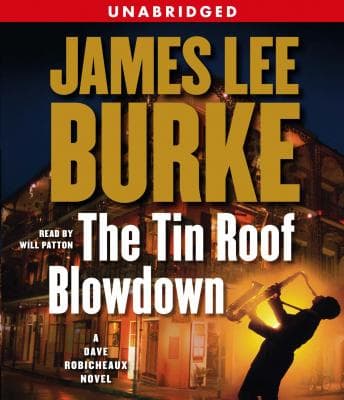
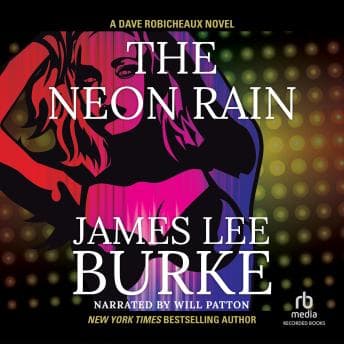
Here's the thing. I picked up The Neon Rain because I needed something to get me through a brutal stretch of night shifts. Three 12s in a row, the kind where you're charting at 4 AM and questioning every life choice that led you to this moment. And James Lee Burke? He got me through it. Angry at him the whole time, but he got me through.
The Voice That Became Robicheaux
Will Patton. This man. His voice IS Dave Robicheaux now—I cannot imagine anyone else in my head. The Cajun drawl isn't cartoonish or overdone. It's lived-in. Like he's been drinking chicory coffee and sweating in the Louisiana humidity his whole life. When he describes the bayou, the moss hanging from cypress trees, the way heat sits on your skin like a wet blanket—I could smell it. In my car. In Phoenix. At 7 AM after dealing with a trauma code all night.
The emotional delivery hits different when you're already exhausted. There's this scene where Robicheaux is talking about his past, his demons, and Patton's voice gets this gravelly quality that just... yeah. I had to sit in my driveway for an extra ten minutes. Carlos came out to check on me. I blamed allergies. (He didn't believe me.)
When the Violence Gets Too Real
Content warning time—and I don't say this lightly. As someone who's actually worked traumas, who's seen what violence does to bodies, Burke's descriptions are sharp. Accurate. Sometimes too accurate. There's torture in this book that made me pause the audiobook. And I've seen things. The graphic nature isn't gratuitous exactly, but it's not sanitized either.
The medical details? Surprisingly not terrible for an 80s crime novel. He gets the feel of wounds right, the aftermath of violence on a body. Most thriller writers fumble this. Burke doesn't. Which is both a compliment and a warning, depending on your tolerance.
Bourbon Street Poetry
Burke writes like a poet who got lost on Bourbon Street and never found his way back. His sentences are these long, winding things full of imagery—the neon reflecting off wet pavement, the way corruption seeps into everything like humidity. It's atmospheric in a way that actually works in audio format. Patton's pacing lets the language breathe.
The dialogue is something else. Sharp, cutting, real. When Robicheaux talks to criminals, to cops, to the women in his life (problematic as those portrayals are), it sounds like actual conversation. Not written-for-the-page conversation. The kind you overhear in a hospital break room at 2 AM when everyone's too tired to filter.
The Part Where I Get Honest
This book is from 1987. The treatment of women shows it. The prostitute whose body starts the whole investigation? She's barely a person in the narrative. The love interest? Exists primarily to be in danger and look good. It's frustrating. It's dated. And I can't pretend it isn't there.
But. Burke is a three-time Edgar winner for a reason. The mystery itself is solid—a dead hooker that nobody cares about except one detective who can't let go. That same obsessive detective energy shows up in Paris Apartment: A Novel, though with way less bayou and way more Parisian secrets. The corruption runs deep, the danger feels real, and Robicheaux is the kind of flawed protagonist who makes you want to shake him and root for him in the same breath.
Will Patton makes the narrator sound maybe a touch older than the character should be, but honestly? It works. Gives Robicheaux this world-weary quality that fits the story.
Night Shift Approved (With Caveats)
Perfect for that post-shift decompression when you need something with teeth. The 8-hour runtime is ideal for a few commutes or one very long drive. The production is clean—no weird audio issues, no jarring transitions.
Who should listen: Crime fiction lovers, anyone who wants to feel the New Orleans humidity through their headphones, commuters who like their mysteries dark.
Who should skip: Anyone sensitive to graphic violence (seriously, it's intense), people who need their female characters to be actual people, impatient listeners who want atmosphere over fast-paced plot.
My mom would hate this one. Too much violence, not enough redemption. But she'd probably still ask me what happens next, because Burke knows how to end a chapter. And Patton knows how to make you keep pressing play.