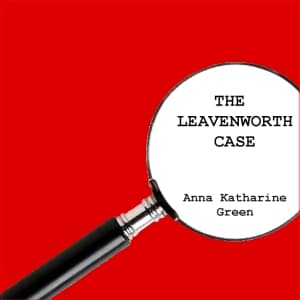

Look, I'm gonna be honest with you - I picked this up because I needed something for my 45-minute drive home from night shift, and a Victorian murder mystery sounded like the perfect antidote to the chaos of a Level 1 trauma center. What I didn't expect was to get genuinely invested in a book written in 1878 that apparently was so technically accurate about circumstantial evidence that law schools used it as a textbook. As someone who's testified in court cases and watched lawyers twist medical facts into pretzels, that detail alone had me hooked.
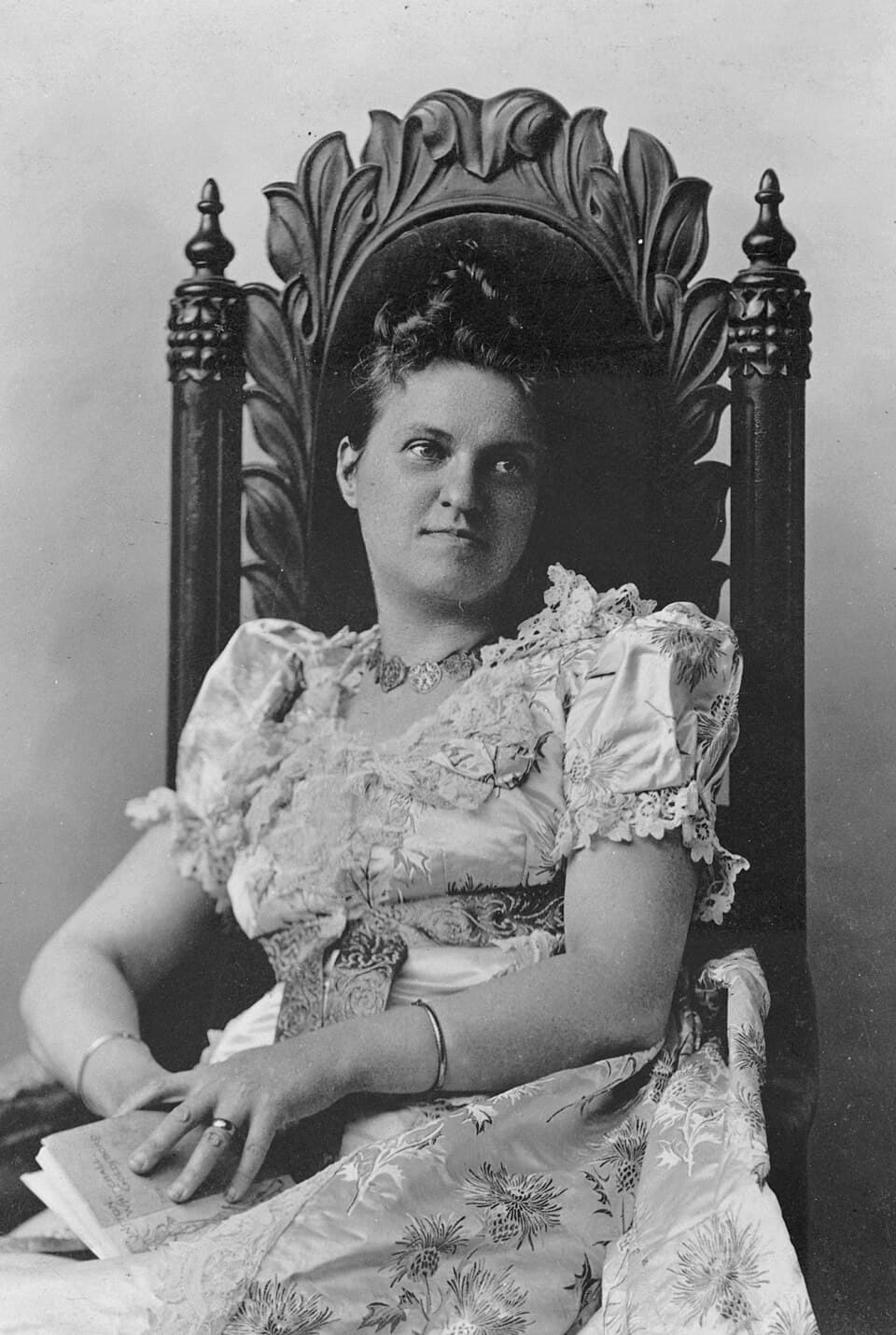
Anna Katharine Green - the mother of the detective novel, apparently - really knew what she was doing. She wrote a bunch of these mysteries, and I've got That Affair Next Door queued up for next week's commute. And Kirsten Ferreri's narration made those 10+ hours actually fly by.
The Voice That Got Me Through 3 AM
Kirsten Ferreri has this warm, clear quality that's exactly what you need when you're driving home exhausted and trying not to think about the shift you just survived. No weird pronunciation hiccups (and trust me, I notice these things - you try listening to medical thrillers where they mispronounce "defibrillator"). The recording is clean, no background noise, just steady, professional narration that lets the story do its thing.
She handles the Victorian dialogue without making it sound stuffy or theatrical. That's harder than it sounds. This book has some seriously flowery language - it's 1878, people talked different - and a lesser narrator would've leaned into the melodrama. Ferreri keeps it grounded. Real. Like she's telling you a story over coffee, not performing Shakespeare.
Where the Victorian Pacing Tests Your Patience
Okay, here's the thing. This is not a fast book. It's Victorian-era writing, which means there are passages where the author takes her sweet time describing things that a modern thriller would handle in two sentences. I'm not gonna lie - there were moments during my commute where I considered bumping up the speed.
But here's what I realized: the slow burn is the point. Green is building her case the way a real investigation would unfold. As someone who's watched actual medical emergencies get documented in painstaking detail, I appreciated the methodical approach. Camp of the Dog has that same careful attention to detail - different era, same respect for the reader's intelligence. Every piece of evidence matters. Every witness statement adds something. It's not padding - it's precision.
If you're the type who needs a body every chapter, this might not be your jam. The murder happens, and then we spend hours untangling the web of circumstantial evidence. It's more cerebral than visceral. My kind of mystery, honestly.
The Gut-Punch I Didn't See Coming
Without spoiling anything - the ending came out of left field. And I mean that in the best possible way. I was so sure I had it figured out (I've watched enough true crime to think I'm smarter than I am), and Green just... nope. Not even close.
Carlos asked why I was sitting in the driveway for an extra ten minutes. I blamed allergies. It wasn't allergies. It was the satisfaction of a mystery that actually surprised me.
Who Should Queue This Up (And Who Should Pass)
This is perfect for commuters who want something substantial. For people who appreciate classic detective fiction before it became formulaic. For anyone who's ever been frustrated by a thriller that sacrifices logic for shock value. Skip it if you need constant action, if Victorian prose makes you want to scream, or if you're looking for something light and breezy - this ain't it.
But if you want to understand where the detective novel came from? If you want to hear a woman writer from 1878 absolutely nail the mechanics of a murder investigation? If you want something that'll make your night shift commute feel like an education? Yeah. This one delivers.
Clocking Out
Night shift approved. My mom would probably love this too - she's always saying I should read more classics. (She still thinks I should've been a doctor, but that's a different issue.)
The production quality is solid, Ferreri's narration is reliable, and the story itself holds up remarkably well for something written almost 150 years ago. Not every classic ages well, but this one? Still got teeth.