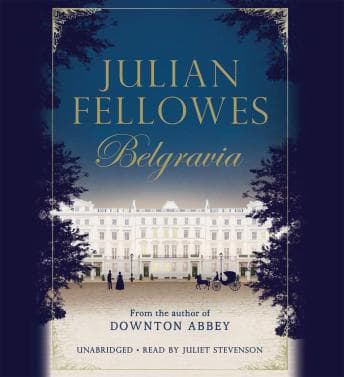

What happens when the man who gave us Downton Abbey decides to write a novel about secrets, class, and the long shadow of a single night in Brussels?
I finished this one at 11 PM last Tuesday, papers half-graded on the coffee table, Denise already asleep. And I just sat there in the dark living room thinking about how Fellowes understands something most contemporary writers don't—that scandal in 1840s London wasn't just gossip. It was annihilation. The social stakes were life and death, just slower.
The Duchess of Richmond's Ball Changes Everything
The novel opens on the eve of Waterloo, 1815, at what became one of history's most famous parties. Young officers dancing with debutantes, knowing some of them would be dead by nightfall. Fellowes doesn't linger here—it's a prologue, really—but the consequences of that single evening echo through the next twenty-five years and sixteen hours of audio. A pregnancy. A secret marriage. A child whose existence threatens to upend two families across the class divide.
This is where Fellowes does what he does best. If you've watched Downton, you know he's fascinated by the moment when old money meets new money, when the rules that governed society for centuries start cracking. The Trenchards are merchant class—respectable, wealthy, but forever outside the aristocratic circle. The Bellasis family is old nobility, title and land but increasingly cash-poor. When these families collide through that Waterloo-night secret, the resulting drama unfolds with the precision of a chess match.
(My students would hate this. Too slow, Mr. Williams, nothing happens. They're wrong, of course. Everything happens. It just happens in drawing rooms instead of battlefields.)
Juliet Stevenson Knows That Pause Is Punctuation
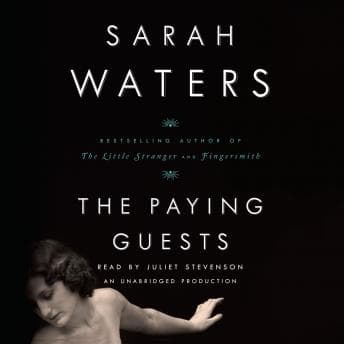
Here's the thing about narrating Fellowes—you can't rush it. The prose is deliberate, the social observations layered, and if you speed through, you miss the knife hidden in the pleasantry. Stevenson gets this completely. Her contralto voice has this quality that's hard to describe—warm but with an edge, like a hostess who knows exactly which guest is lying about their connections.
Her character differentiation is subtle rather than theatrical. She doesn't do broad accents or dramatic voices. Instead, she shifts register—the clipped precision of Lady Brockenhurst versus the slightly uncertain warmth of Anne Trenchard, a woman who's spent twenty-five years carrying guilt like a stone in her pocket. The scheming John Bellasis gets this oily undertone that made my skin crawl. I kept thinking: this is what it sounds like when someone performs a novel rather than just reading it.
At 1.0x speed (yes, I'm that person), the sixteen hours felt appropriate. Fellowes chose those words. Stevenson respects them. If you're the type who listens at 2x, this might not be your book—the pleasure is in the observation, not the plot velocity.
The Downton Question We Have to Address
Let's get to it: is this just Downton Abbey in novel form? Yes and no. The DNA is identical—the class tensions, the secrets, the servants who see everything. But Belgravia is darker, more focused. There's no ensemble warmth here, no Dowager Countess delivering zingers. The Trenchards are sympathetic but guarded, the aristocrats are mostly awful, and the central mystery—who is the true heir?—carries genuine menace.
If you loved Downton for the comfort, this might feel colder. If you loved it for the social observation, this is its literary successor. Fellowes is doing something closer to Trollope here, or even Galsworthy—examining how money and birth determine fate in a society that pretends merit matters. That same tension between social expectation and personal desire runs through Pride and Prejudice, though Austen writes it with more wit and less menace.
(There's a TV adaptation, apparently. I haven't seen it. Part of me doesn't want to—Stevenson's version lives in my head now, and I'm protective of it.)
Who This Is For (And Who Should Walk Away)
This is for readers who find pleasure in watching a plot unfold like origami—slow, precise, each fold revealing new dimensions. If you want action, look elsewhere. If you want to understand why a dinner party seating arrangement could destroy a reputation, welcome home.
Skip if: you need things to happen quickly, you find period drama stuffy, or you're not interested in the specific anxieties of the Victorian upper-middle class.
Listen if: you've ever wondered what Downton would feel like as a novel, you appreciate narration as performance art, or you need something absorbing for a long drive that won't make you feel like you're wasting your brain.
Worth Pausing the Faculty Meeting For
Belgravia isn't revolutionary. Fellowes isn't reinventing the historical novel. But he's working within a tradition—social observation, secrets and consequences, the gap between public face and private truth—and he's doing it with real skill. Stevenson's narration elevates good material to something genuinely immersive.
I'll be thinking about Anne Trenchard for a while. A woman who made one compassionate choice in 1815 and spent the next quarter-century living with it. That's the kind of character who stays with you.
The prose deserves to be savored. And for sixteen hours, I did exactly that.