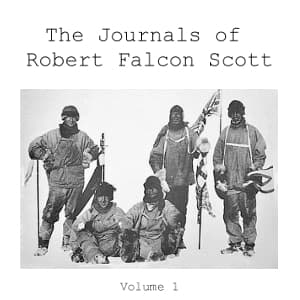

I was walking Ranger during that freak ice storm we had in Austin last year. Thought it was cold. 20 degrees, wind howling, power lines snapping. Then I turned on Captain Scott's journals. Yeah, I felt like an idiot complaining about the Texas chill while these guys were hauling sledges to their deaths in -40 degree weather.
Let me be clear right up front: this isn't an action movie. No explosions. No high-speed chases. It's a slow, methodical documentation of a disaster. And because I listened to the LibriVox version (free, volunteer-read), I had to dig around to find a recording that didn't sound like a guy reading a grocery list in a bathroom.
The Logistics of a Slow-Motion Train Wreck
As a military man, I have a lot of respect for logistics. Amateurs talk strategy; professionals talk logistics. Scott... well. Reading his daily logs is painful because you can see the cracks forming long before they do. He's talking about ponies and motor sledges that break down, and I'm just shaking my head.
But the discipline? Unbelievable.
These men are freezing, starving, and dragging hundreds of pounds of gear, yet Scott is writing down barometric pressure readings. (I can't even get my guys to fill out a proper expense report after a business trip.) The scientific dedication is impressive, but it also slows the book down. Way down. There were moments—hours, really—where I zoned out during the meteorological observations. Ranger fell asleep. I almost joined him. You have to be in the right headspace for this. It's not entertainment; it's a witness statement.
The Voice from the Ice
Here's the tricky part. Since this is LibriVox, you're rolling the dice on the narrator. I listened to the version by Steve Gough (I think it's listed as Version 2 usually).
If you grab a different version, you might get a robot. But Gough? He nailed it. He has this weary, sincere delivery that fits a British officer realizing he's led his men into a trap he can't get out of. He doesn't overact. He doesn't need to. When he reads the final entries, his voice gets quiet, and honestly, it hit me harder than I expected.
(Though I still cranked the speed to 1.35x. Life's too short for normal conversational speed, especially when they're stuck in a tent for three days.)
The Burden of Command
We all know how this ends. That's the ghost haunting every chapter. You're listening to a dead man walking.
When I got to the end—the famous "For God's sake look after our people" line—I had to pause the track. I was sitting in my truck in the driveway. The coffee had gone cold.
In the military, we talk about "mission first, people always." Scott failed the mission. He got beaten to the Pole by Amundsen. And he lost his people. By all tactical metrics, it was a catastrophe. But the dignity in these pages? The refusal to whine even when the end was staring them in the face? That's something else.
It's a heavy listen. It's tragic. And frankly, it's frustrating if you know anything about polar travel (why bring ponies, Scott? Why?). But it's a raw look at leadership at the absolute bitter end. I got that same gut-punch feeling from Journey of Crazy Horse: A Lakota History—another story of brilliant leadership in an unwinnable situation.
Mission Debrief
Who should listen: Anyone who wants to understand what human endurance looks like when the plan goes to hell. History buffs. Leadership junkies. People who can sit with tragedy without needing a redemption arc.
Who should skip: If you're depressed, steer clear. If you want a thrill ride, look elsewhere. And if you can't handle slow pacing and weather data, this will be torture.
Make sure you get a good narrator—specifically the Steve Gough version—or you'll be fighting the recording as much as Scott fought the cold.







![Steve Jobs [unabridged audiobook] audiobook cover](/_next/image?url=https%3A%2F%2Fcovers.audiobooks.com%2Fimages%2Fcovers%2Ffull%2F9788499923406.jpg&w=1920&q=75)