
Why I Clicked Play
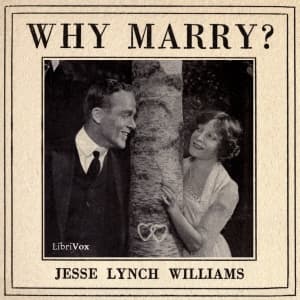
Okay, let's be real for a second. I saw the title—Why Marry?—and I literally snorted. I was standing in the kitchen, scraping dried oatmeal off a bowl that had been sitting there since Tuesday, and my husband had just texted me to ask where the ketchup is. (It is in the door. Where it has lived for seven years.)
So yeah, the question felt relevant.
I didn't pick this because I wanted a deep, philosophical dive into the institution of matrimony. I picked it because it's three hours long. That is exactly one week of school drop-offs plus two trips to the grocery store. I need wins right now. I need to finish something. And honestly? A comedy about marriage from 1914 sounded like exactly the kind of distraction I needed from my actual marriage (love you, honey, but find the ketchup yourself).
The "Play" Experience
Here's the thing you need to know before you dive in—this is a play. Not a novel. A play.
That means you're going to hear stage directions. "He walks to the window." "She sits aggressively." (Okay, I made that last one up, but you get the vibe.) At first, it's jarring. I almost turned it off in the driveway because it felt like I was listening to a rehearsal. But—and stick with me here—once I cranked the speed to 1.25x, it actually started working.
It's a full cast, which is huge. Since this is a LibriVox recording (aka free volunteers), that can be a gamble. Usually, you get one person who sounds like a professional actor and three people who sound like they're recording inside a tin can during a windstorm. But this group? Surprisingly cohesive. Elizabeth Klett is in the cast, and if you listen to enough free audiobooks, you know she's basically the Meryl Streep of the LibriVox world. She anchors the whole thing.
If you end up loving the LibriVox vibe, Survivors' Tales of Famous Crimes has that same volunteer energy but with way more drama.
The story is about this "New Age Woman" (which in 1914 apparently just meant she had a job and opinions) who refuses to marry her boyfriend because she thinks marriage kills love. She wants to just... be together. The family is losing their minds. It's satire, but it's surprisingly sharp. There were moments where I was folding tiny t-shirts and thinking, "You know, Helen makes some solid points."
Is It Worth The Stage Directions?
Look, it's not perfect. It's a volunteer production. Sometimes the pacing feels a little off because the actors aren't in the same room feeding off each other's energy. There are pauses that land a beat too long—though at 1.25x speed, those mostly disappear.
But the banter? It's funny. Actually funny. Not just "old timey polite chuckle" funny. The way the family tries to "save" her from spinsterhood (or worse, living in sin!) is hysterical. It won the first Pulitzer for drama, which sounds intimidating, but it's really just a family arguing in a living room. I felt right at home.
It's short, it's free, and it's a fascinating look at how much—and how little—has changed. Plus, hearing a bunch of people panic about a woman wanting a career made me feel slightly more badass about my former life as a marketing manager.
The Bottom Line
If you can get past the "Enter Stage Left" interruptions, this is a solid way to kill three hours. It's light, it's witty, and it didn't make me cry at school pickup. That's a win in my book.
Who should listen: Busy folks who want something short, free, and genuinely funny—especially if you've ever questioned the institution while searching for condiments. Who should skip: Anyone who needs polished studio production values. Think of this as listening to a really talented community theater troupe while you hide in your car.