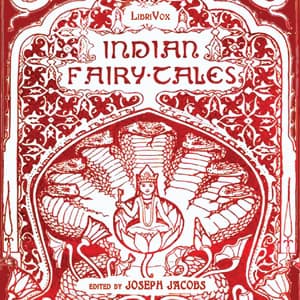

"The Lion and the Crane" — I don't remember which reader narrated that one, but the moment a crane reaches into a lion's throat to pull out a bone and then has the audacity to ask for payment? My five-year-old Lucas would absolutely be Team Crane. My seven-year-old Emma would write a three-page essay about why the lion was wrong. This is the kind of book that accidentally starts sibling debates at dinner, and honestly, I'm here for it.
Bedtime Stories That Survived Since 300 BC (Give or Take)
So here's what I didn't expect: Joseph Jacobs compiled this collection in 1892, pulling from the Jataka tales (Buddhist birth stories), the Panchatantra (ancient Indian fables), and regional folklore. And the thing is — these stories hit different from the Grimm fairy tales we've been cycling through. There's a sharpness to the morals. They're not always "be kind and you'll be rewarded." Sometimes it's "be clever or get eaten." Sometimes the trickster wins. Sometimes the virtuous character gets tested in ways that feel genuinely surprising, even now.
The collection is 29 stories, and each one runs maybe 10-20 minutes depending on the reader. That's the sweet spot for me. I could finish one full story during morning drop-off and not be stuck mid-plot when Emma decides she needs to tell me about her dream RIGHT NOW as she's unbuckling. Survived 47 pauses and still made sense — because each tale is self-contained. You lose nothing by stopping and restarting.
Fair warning: the language is Victorian-era retelling. Jacobs was writing in the 1890s, so some phrasing is formal, and a few of the stories use words my kids would need explained ("bade" instead of "told," that kind of thing). It's not impenetrable, but if you're listening while also mentally calculating whether you have enough chicken nuggets for dinner, some sentences might need a rewind.
The Narrator Roulette — For Better and Honestly, For Worse
This is a LibriVox recording, which means volunteer readers. Multiple narrators across the collection. And look — I need to be straight with you. The quality is inconsistent. Some readers have a warm, engaging storytelling voice that made me feel like someone's grandmother was reading to me. Others sound like they're reading aloud in a library and trying very hard not to wake anyone. The production quality varies too; you'll notice different recording environments, different mic setups, different energy levels.
None of it was unlistenable. But it's not polished. If you're someone who needs a single narrator voice to settle into — that consistency where you know exactly what you're getting — this will bug you. For me, the variety actually kept things interesting during nap time listening (Sophie gave me a miraculous 90-minute nap on Tuesday, bless that child), because just when I'd adjust to one voice, a new reader would show up with a completely different tone for the next story.
I can't tell you who narrated which story because there's no easy guide, and I was not about to cross-reference LibriVox credits while Sophie was sleeping. That time is sacred.
What Actually Landed (and What My Kids Stole From Me)
The stories about animals — the monkey, the tiger, the jackal — those are gold for kids. "The Tiger, the Brahman, and the Jackal" is basically a perfect fable. A Brahman frees a tiger, the tiger immediately wants to eat him (classic), and a clever jackal tricks the tiger back into its cage by pretending to be too stupid to understand the story. My kids LOVED this when I retold it at dinner. Lucas kept saying "the jackal tricked him!" for three days straight.
"Punchkin" is basically an Indian Rumpelstiltskin meets an adventure quest, and it's longer and wilder than I expected — a princess, an evil sorcerer whose life is hidden inside a parrot inside a cage inside progressively more ridiculous containers. Emma was riveted. It's the kind of story that makes you realize how universal these narrative structures are. The "hidden soul" trope shows up everywhere, and Jacobs was one of the first Western editors to point that out.
Some stories are darker than you'd expect from a book labeled "fairy tales." There are characters who die, acts of genuine cruelty, consequences that aren't softened. It's not graphic, but it's not Disney. I appreciated that. Kids can handle more than we think, and these stories trust them to. That same willingness to not talk down to readers is something I noticed in What Alice Forgot, which handles genuinely heavy themes without wrapping everything up in a tidy bow.
The Mom Verdict: Free, Bite-Sized, and Actually Useful
Here's the thing — this is free. It's public domain, LibriVox recording, zero cost. And for a free collection of stories I can listen to during car time AND retell to my kids at bedtime? That's a pretty great deal. Not groundbreaking, but sometimes you don't need groundbreaking. You need 15-minute stories that teach your kids about cleverness and consequence while you fold laundry.
I finished this during nap time. High praise. Well — across several nap times. But still.
Perfect for multitasking moms who want something gentle, something short-form, and something that doubles as actual parenting content. Skip it if inconsistent audio quality drives you nuts or if you need a single narrative thread. But if you want a grab bag of ancient stories that your kids will demand you retell with voices? This earns its spot in the rotation.
My book club will love this (if I ever have time for book club again). Actually no — my book club would pick something with more wine-worthy drama. But my Tuesday playdate moms? They'd be all over it.