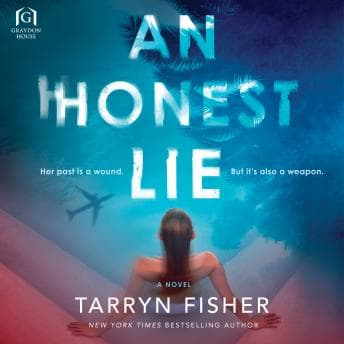

What happens when the monster you escaped decides it's not done with you?
I was reorganizing the horror section at the library—yes, at 8 PM, yes, alone—when I finished this one. And let me tell you, there's something deeply unsettling about shelving Stephen King while Lauren Fortgang is whispering cult trauma directly into your skull. Shirley (the cat, not the Jackson) would've been unimpressed. I was not.
The Past Devours the Present
Tarryn Fisher does something here that I've seen attempted a hundred times in psychological thrillers and rarely pulled off: she makes the flashback timeline more compelling than the present-day mystery. The Vegas girls' weekend stuff? Fine. Serviceable. But the cult sequences—Rainy's childhood trapped in that compound—that's where Fisher understands something fundamental about horror. It's not about what's chasing you. It's about what already caught you, years ago, and never really let go.
The present-day narrative drags in places, I won't lie. There's a lot of setup with Braithe and the friend group that feels like watching someone arrange chess pieces when you just want to see the bloodbath. But here's the thing: Fisher is building something. And when that last 30% hits, when the pieces start clicking together like a trap snapping shut—suddenly all that slow burn makes sense.
Fortgang Commits to the Terror
Lauren Fortgang gets it. She gets that psychological thriller narration isn't about sounding pretty or measured—it's about making the listener feel like they're the one trapped in a hotel room, the one getting those texts, the one whose past is clawing its way back. Her delivery of Rainy's terror isn't performed. It's inhabited. There's a rawness to it that made me pause my shelving more than once.
Fortgang brought that same inhabited quality to Little Knife—different material, but that same refusal to let you feel safe at any distance from the narrator.This is Rainy's show. The story lives in her head, her memories, her fear. And Fortgang makes that interior space feel claustrophobic in exactly the right way. The supporting cast doesn't get the same depth—they're more functional than memorable—but honestly, that tracks for a story this tightly focused on one woman's psychological spiral.
The Ending Will Either Destroy You or Annoy You
Look. I've listened to enough thrillers to know that endings are where authors either stick the landing or faceplant into the mat. Fisher goes big. Chaotic. Intense. Some listeners found it overwhelming—I get it. There's a lot happening in a compressed space, and if you weren't emotionally locked in, it probably felt like noise.
But if you were locked in? If Fortgang's narration had you feeling Rainy's terror in your bones? That ending hits like a freight train. Not neat. Not tidy. But visceral in a way that respects what psychological horror is supposed to do.
Femicide goes for a similarly unsparing finish and lands it cleaner—though Fisher's chaos feels more personal, more inside-out.This isn't my favorite Fisher—I'll admit that. The emotional connection to the present-day characters never quite clicked for me the way it did with her other work. But the cult stuff? The way she writes about trauma and survival and the lies we tell ourselves to keep moving? That's where she shines. Shirley Jackson would approve.
Who Gets the Key to This Nightmare
This is for you if: you like your thrillers with cult elements, you don't mind a slow build for a chaotic payoff, and you appreciate narration that commits to the darkness. Skip if: you need immediate pacing, you want clean resolutions, or you struggle with content involving abuse and manipulation. Content warnings are real here—violence, abuse, language, sexual content. Fisher doesn't flinch.
Filed Under: Flawed But Haunting
Not a perfect audiobook. The pacing issues in the first half are real, and the character work outside of Rainy feels thin. But Fortgang's performance elevates the material, and when Fisher is cooking—when she's in those flashback sequences, when she's writing about what it means to escape something that shaped you—she's genuinely good at this.
I listened in the dark. Mistake? Maybe. Worth it? Absolutely. My podcast listeners are going to have opinions about this one.