
The Debrief
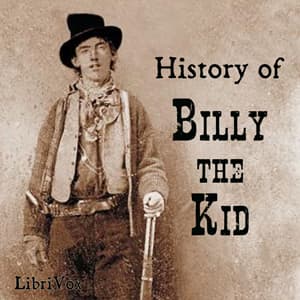
Let me cut to the chase - this is a two-hour primary source document from a man who actually helped hunt down Billy the Kid. That alone makes it worth your time. I knocked this out on a drive to San Antonio for a client meeting, and honestly, it flew by faster than most podcasts.
Charles Siringo wasn't some armchair historian. He was a cowboy, a Pinkerton detective, and he personally knew the Kid. When he says he got his facts "from the lips of Billy the Kid himself," he's not exaggerating for book sales. The man provided three of his own cowboys to Sheriff Pat Garrett for the capture. That's not research - that's being there. After 25 years of reading after-action reports and debriefs, I can tell you this has the ring of authenticity that most Western histories completely lack.
No Romanticized Rebel Here
What struck me most is how Siringo doesn't romanticize the Kid. Modern culture has turned Billy into this misunderstood rebel, some kind of frontier anti-hero. Siringo paints a different picture - a young man with genuine charm who could also turn stone cold in a heartbeat. Twenty-one kills before age twenty-two. "Indians not included," as Siringo casually notes (and yeah, that's going to hit modern ears wrong - we'll get to that).
The tactical details are solid. The Lincoln County War sections read like a proper operational summary - who was where, who shot whom, the movements and counter-movements. Siringo understood terrain and positioning because he lived it. When he describes how the Kid escaped from the Lincoln County courthouse after killing his two guards, you can practically see the layout. I've read plenty of military histories written by people who've never heard a shot fired in anger. This isn't that.
That same authenticity comes through in My Confession, another firsthand account that doesn't dress up the hard edges.
Roger Melin's narration is clean and straightforward. No dramatic flourishes, no trying to do "cowboy voice" - just clear delivery that lets Siringo's words do the work. Exactly what this material needs. The LibriVox production quality is solid, which isn't always a given with their catalog. Melin paces it well, and at 1.25x (my usual speed), it moves along without feeling rushed.
Fair Warning
Here's where I have to be straight with you. This was written in 1920 by a man born in 1855. The language reflects that era - period-appropriate racial terms, attitudes toward Native Americans that'll make you wince. If that's going to pull you out of the narrative, this probably isn't for you. I've read enough historical documents to compartmentalize, but I know not everyone can or wants to.
There's also some self-promotion woven through. Siringo clearly wants you to know he was important to this story. It's not overwhelming, but it's there. (To be fair, the man earned some bragging rights - he actually was there.)
The other thing - this is history, not entertainment. No character arcs, no dramatic structure. It's a recounting of events by someone who witnessed them. If you're expecting Lonesome Dove, recalibrate. This is closer to reading someone's detailed journal entries about a famous criminal they knew personally.
Who Should Listen
If you're into Western history, true crime origins, or just want to hear about Billy the Kid from someone who was actually in the room? Essential listening. Two hours and twenty minutes - knock it out in a single commute or road trip. Skip it if you need modern narrative pacing, can't tolerate period language, or want a romanticized version of the Old West. This is the real thing, warts and all.
Ranger slept through most of it, but he's not much for Westerns. Linda would definitely call this "another book about men shooting each other," and she wouldn't be wrong. But sometimes that's exactly what you want.
Mission accomplished. Worth the short investment.





![Steve Jobs [unabridged audiobook] audiobook cover](/_next/image?url=https%3A%2F%2Fcovers.audiobooks.com%2Fimages%2Fcovers%2Ffull%2F9788499923406.jpg&w=1920&q=75)