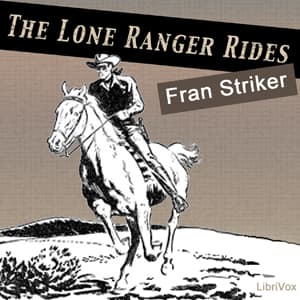

Look, I've been skeptical of anything calling itself "classic Western" for years now. Most of what passes for the genre these days is either revisionist hand-wringing or Hollywood garbage where nobody knows how to properly seat a horse. But this? This is the real deal. The Lone Ranger Rides took me back to a time when good guys wore white hats and didn't apologize for it.
I picked this up during a long drive to meet a client in Houston - four hours of Texas highway, Ranger in the back seat, and Fran Striker's origin story of one of America's most iconic characters. And I gotta say, it delivered exactly what I needed.
Why This Origin Story Actually Works
Here's the thing about origin stories - most of them are bloated messes. Writers think we need seventeen chapters of backstory before anything happens. Striker doesn't play that game. He was a radio guy, and radio doesn't tolerate fat. Every scene moves. Every chapter has a purpose. You understand pretty quickly why this Texas Ranger ends up striking out on his own, mask and all.
The setup is brutal in the best way. Ambush. Betrayal. Survival against odds that would've killed most men. Then the slow rebuild - meeting Tonto, finding Silver, becoming something more than just another lawman. It's straightforward storytelling, and I mean that as high praise. No postmodern nonsense about the "complexity of vigilantism." Just a man who watched his brothers die and decided to do something about it. That kind of stripped-down moral clarity shows up in Road too, though McCarthy's version is a hell of a lot bleaker.
For those of us who remember the TV show - and yeah, I watched reruns as a kid on base housing TVs with rabbit ears - this fills in gaps you didn't know you had. Finally understanding the full picture of how these characters came together? Worth the eight hours right there.
Roger Melin Gets It
I couldn't find much background on Roger Melin online, but based on this performance, the man understands what he's working with. His narration has this warm, clear quality that reminds me of those old radio broadcasts. Not overly dramatic, not trying to be a one-man theater production. Just solid, engaging storytelling.
He differentiates the characters well enough that you always know who's talking. Tonto sounds like Tonto. The villains sound like villains. And he captures that earnest, almost innocent quality of the era without making it feel like a museum piece. One listener said the narration brought back memories of the 1950s TV show, and I get that completely. There's a nostalgic quality here that's genuine, not manufactured.
I ran it at 1.25x - my standard speed - and it held up perfectly. Melin's pacing is steady enough that the acceleration doesn't make him sound like an auctioneer.
A Note for Parents
Yes, there's violence. It's a Western. People get shot. But it's the kind of violence we used to call "appropriate" - consequences exist, bad guys face justice, good guys take their lumps. Nothing gratuitous, nothing that glorifies cruelty. Compared to what passes for entertainment now? This is practically Sunday school.
Who Should Saddle Up (And Who Should Ride On)
If you grew up with the Lone Ranger in any form - radio, TV, comics - this is mandatory listening. If you're raising kids and want to introduce them to heroes who actually act heroic, this works. If you're just tired of antiheroes and moral ambiguity and want something clean and direct, Striker's got you covered.
Skip it if you need constant plot twists and modern pacing. This is old-school storytelling, and it moves at old-school speed. Some folks find that boring. I find it refreshing, but I'm also a guy who thinks we lost something when we stopped teaching kids that right and wrong aren't complicated concepts.
Ranger perked up during the horse scenes, so I'm counting that as canine approval. Eight hours well spent on I-10, and I'd do it again.
Mission Accomplished
Hi-yo Silver, indeed.