
The 3 AM Existential Crisis I Didn't Know I Needed
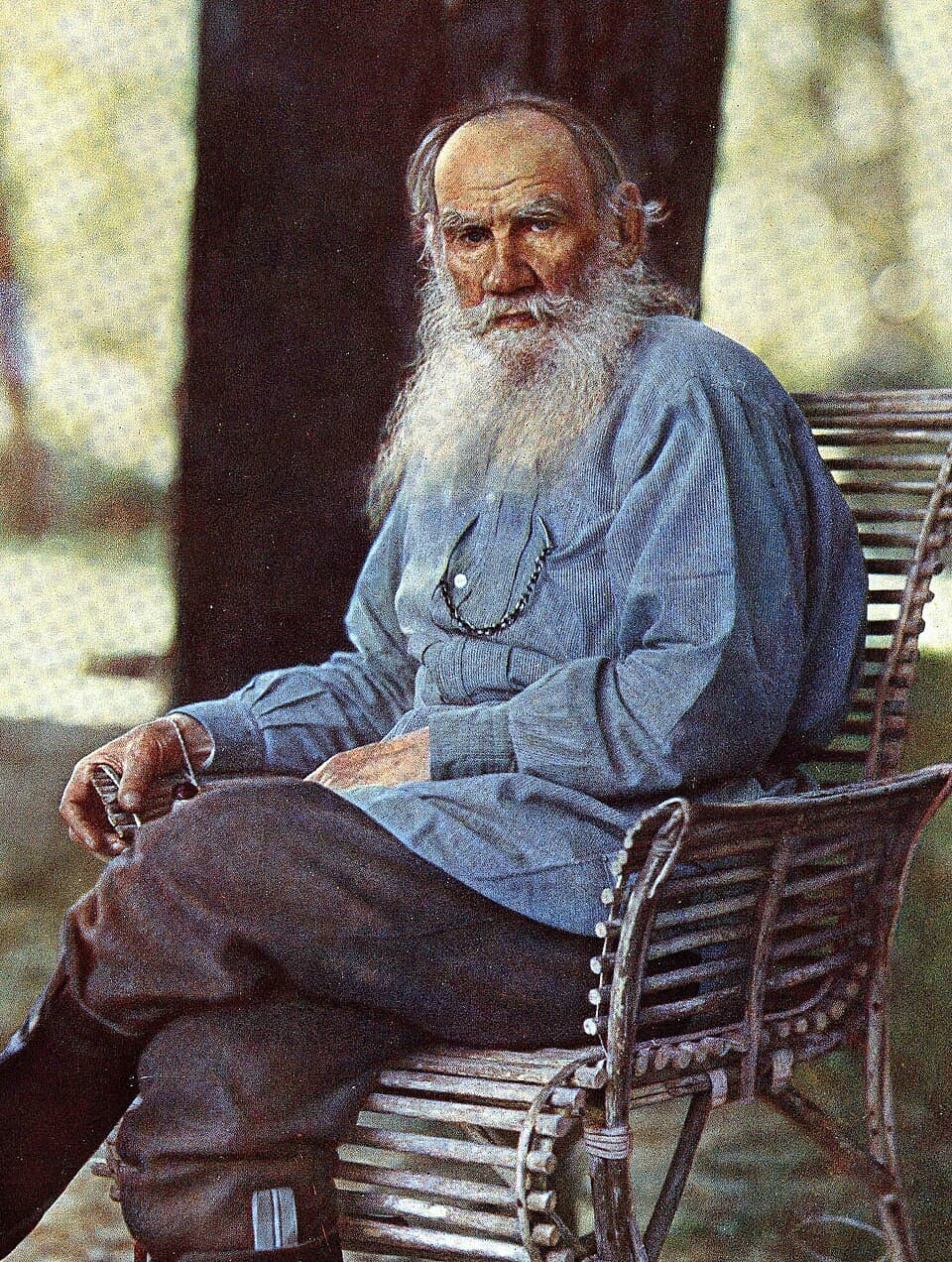
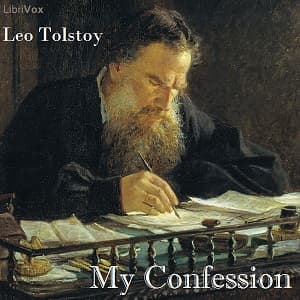
So there I was, charting at 3:47 AM, unit finally quiet (knock on wood), and I decided to start something short. Two hours and forty-two minutes? Perfect. I could finish it before my shift ended. What I did not anticipate was Tolstoy basically grabbing me by the scrubs and asking, "Maria, what is the point of any of this?"
Look, I work in an ICU. I've watched people die. I've watched people fight to live. I've had conversations with families at 4 AM about what "quality of life" actually means. So when Tolstoy starts describing his existential despair - this wealthy, successful, famous writer who suddenly can't find meaning in anything - I felt that in my bones. The man had everything society tells you to want, and he was miserable. He literally couldn't figure out why he should keep living.
And here's the thing: he's not being dramatic. He's being honest. Brutally, uncomfortably honest.
Why This Narration Works
Expatriate - and I couldn't find much about this narrator online, but based on this performance - has exactly the right energy for Tolstoy's confession. Expatriate brings that same steady, no-nonsense approach to Crime and Punishment, which is why I trust this narrator with heavy Russian literature. Clear, measured, thoughtful. No dramatic flourishes trying to make philosophy "exciting." Just... steady. Like a colleague explaining something difficult during a slow moment in the break room.
The pacing is deliberate, which some people might find slow. But honestly? It needs to be. Tolstoy is working through massive questions about life, death, faith, and meaning. You can't rush that. The narrator gives each idea room to breathe, and I found myself actually pausing my charting to think. (Don't tell my charge nurse.)
There's real emotional weight in the reflective passages - when Tolstoy describes his despair, you feel it. When he talks about watching peasants live with simple faith while he, the intellectual giant, can't find peace? The narrator captures that mix of confusion and envy perfectly.
The Uncomfortable Mirror
Here's what got me: Tolstoy's crisis came after he'd achieved everything. Success, money, fame, family. And it meant nothing to him. He kept asking "What will come of my life?" and couldn't find an answer that satisfied him.
I'm 15 years into nursing. I'm good at what I do. The doctors call me when they're stuck. My mom's finally proud (only took becoming the nurse that doctors rely on, but sure). And sometimes - usually around 4 AM when the monitors are beeping and I'm running on my third coffee - I wonder the same things Tolstoy wondered.
Not in a crisis way. Just... the questions are there. This book doesn't answer them neatly. Tolstoy basically concludes that faith is necessary but has to be tempered by reason, which - okay, that's pretty much where I've landed too. If you want to see Tolstoy wrestle with similar questions in fictional form, Anna Karenina has those same themes running through the story - though honestly, this confession feels more raw. But the journey he takes to get there? Watching him reject science, philosophy, Eastern wisdom, his literary peers, and finally turn to the "common people" for answers? It's messy. It's real.
The epilogue describing his dream hit different. Something shifted in him. I won't spoil it, but Carlos asked why I was sitting in the driveway for ten extra minutes after my shift. I blamed allergies.
Who Should Listen (And Who Should Skip)
Okay, real talk: this is not a fun book. It's not entertaining in the traditional sense. If you want something light for your commute, this ain't it.
But if you've ever stared at a ceiling at 3 AM wondering what any of this is for? If you've watched someone die and thought about your own mortality? If you're at a point in life where the questions feel bigger than the answers? This is the audiobook.
Best for:
- Night shift workers who've seen some things and need to process (hello, my people)
- Anyone going through a "what does it all mean" phase
- Philosophy fans who want something accessible, not academic
- People who appreciate honest, disciplined thinking about hard topics
Skip if:
- You need action or plot
- Slow, contemplative pacing makes you antsy
- You're looking for easy answers (Tolstoy doesn't have them)
- You're in a fragile headspace - the existential despair sections are heavy
Prognosis
At under three hours, this is basically a long podcast episode about the meaning of life from one of history's greatest writers. The narration is clean, the production quality is solid, and Tolstoy's honesty is almost uncomfortable in how relatable it is.
Is it life-changing? Maybe. Depends where you're at.
Is it worth the listen? Absolutely. Especially if you work a job where you confront mortality regularly and need something that takes those questions seriously instead of offering hollow comfort.
Night shift approved. Just maybe don't start it at 3 AM unless you're ready to feel things.
My mom would probably hate this. She'd say I'm being morbid. But she also still thinks I should've been a doctor, so.