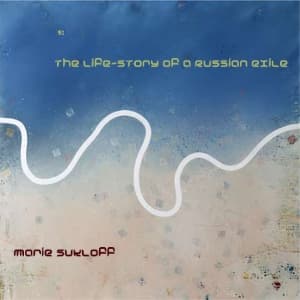

Look, I need to lodge a complaint. I went into this expecting a dry, academic memoir about 19th-century Russian politics - the kind of thing you listen to because you feel like you should, like eating your vegetables. Instead, Marie Sukloff gut-punched me before I even got through the first hour. A peasant girl decides to assassinate a provincial governor who's been orchestrating pogroms against Jews, and she tells you about it with the same matter-of-fact tone my grandmother used to describe making biscuits. That contrast between the horrific and the mundane? That's what makes this book land.
I picked this up on a late Sunday night, couldn't sleep - which happens more than Linda would like - and figured a 4-hour historical memoir would knock me out. Wrong. Ranger and I were both wide awake at 0200.
When the Mission Briefing Becomes Personal
Here's what got me: Sukloff doesn't write like someone trying to justify herself. She doesn't grandstand. She lays out her childhood poverty, the radicalization that followed, the assassination plot, the arrest, the exile to Siberia, and her escape with this almost unsettling clarity. It reads like an after-action report written by someone who's still processing what happened but refuses to lie about any of it.
I've seen this scenario play out in real life - not assassination, but the process by which ordinary people end up doing extraordinary and sometimes terrible things. The military teaches you that context matters, that the line between hero and criminal often depends on which flag is flying overhead. Sukloff forces you to sit with that discomfort. She killed a man. She had reasons. The reasons were arguably good. She still killed a man. The book doesn't let you off the hook with easy answers, and I respect the hell out of that.
At just under four and a half hours, it's tight. No fat on this thing. Sukloff moves from her village childhood to political awakening to direct action without the kind of navel-gazing that bogs down most memoirs. When she describes her imprisonment and the conditions in Siberian exile, she's specific - the cold, the isolation, the casual cruelty of the guards - but never melodramatic. She's reporting. And somehow that restraint hits harder than any dramatic flourish would. That same quality - where the absence of performance becomes the most powerful performance of all - is what made Glass Castle: A Memoir hit me the same way when Jeannette Walls just lays her childhood out flat and trusts you to feel the weight of it.
The Voice Behind the Exile
Now, let me be straight about the narration. Expatriate handles this as a solo read, and the performance has a sincerity to it that suits the material. The delivery is measured and earnest, which matches Sukloff's own writing style. But I'll be honest - I don't have much to compare it to, and the production is straightforward. No sound effects, no music, no full cast. Just one narrator and Sukloff's words. For a LibriVox-style recording, it works. It's clean, it's clear, and it doesn't get in the way.
That said, this isn't the kind of narration that elevates material the way a Scott Brick or a Ray Porter performance does. It's competent and respectful of the source. For a free audiobook, that's actually a win. I bumped it to 1.25x (my default) and it flowed fine.
Who Should Deploy With This Book
If you're into Russian history, revolutionary movements, or just want a first-person account from someone who lived through something most of us only read about in textbooks - this is worth your time. It's short enough that you can knock it out in a couple of commutes or one decent road trip.
If you need constant action beats or high-production narration, this isn't your mission. It's a memoir, not a thriller, even though the subject matter involves assassination and escape. The pacing is steady, not explosive.
Anyone who's ever wrestled with the ethics of political violence - and if you've served in certain theaters of operation, you have - will find this one sits with you for a while. Sukloff doesn't preach, but she makes you think. The questions she raises about when violence is justified, who gets to make that call, and what it costs the person who pulls the trigger... those aren't abstract for me. They shouldn't be abstract for anyone paying attention.
Debrief and Dismissal
Worth your time? Here's the debrief: at 4 hours 25 minutes, this is a lean, honest account of a life most of us can barely imagine. The author clearly did her homework - because it was her life. The narration serves the material without stealing the show. It won't blow your doors off with production value, but Sukloff's story doesn't need pyrotechnics. The facts are enough.
Ranger slept through the last hour, but I didn't hold it against him. He's heard louder books. This one's quiet power is its own kind of loud.





![Steve Jobs [unabridged audiobook] audiobook cover](/_next/image?url=https%3A%2F%2Fcovers.audiobooks.com%2Fimages%2Fcovers%2Ffull%2F9788499923406.jpg&w=1920&q=75)