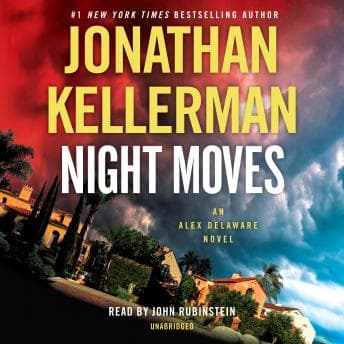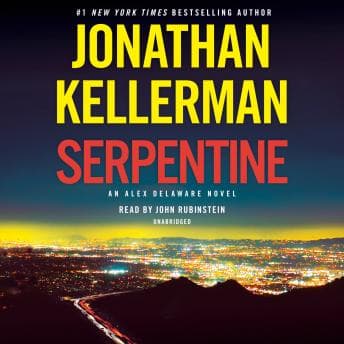

The online consensus around John Rubinstein's narration of the Alex Delaware series splits into two camps: those who consider him the definitive voice of the franchise, and those who find his measured delivery a bit too sleepy for crime fiction. After spending nearly twelve hours with Heartbreak Hotel, I'm firmly planted in the former camp—though I understand why this particular book might test the patience of listeners expecting a more propulsive thriller.
Let's talk about what makes this one unusual. Jonathan Kellerman opens with a premise that immediately sets it apart from typical Delaware fare: Alex's new patient isn't a traumatized child but a nearly centenarian woman named Thalia Mars. She's sharp, witty, and harboring questions about criminal psychology that feel less like curiosity and more like confession. When she turns up dead before their second session, Alex and his perpetually hungry LAPD buddy Milo Sturgis find themselves untangling a life that spans almost a century of secrets.
Rubinstein's Voice Work: Why It Matters Here
Rubinstein handles this unconventional setup beautifully. His warm, characterful voice gives Thalia genuine presence in the brief time we spend with her, making her death land with appropriate weight. This is a narrator who understands that mystery isn't just about what happens—it's about who it happens to and why we should care. His Alex Delaware sounds exactly like what a successful child psychologist should: intelligent, observant, occasionally sardonic, but never cold. The friendship between Alex and Milo, which has been the backbone of this series for decades, comes through in every exchange. Rubinstein gives Milo a slightly gruffer edge while maintaining the affectionate exasperation that defines their partnership.
The AudioFile Earphones Award this production received feels earned. The character voices are distinct without veering into caricature, and Rubinstein's pacing matches Kellerman's methodical approach to investigation. This is a book that builds its case slowly, layering detail upon detail, and the narration respects that rhythm rather than fighting against it. If you're craving breathless action instead, Affair: A Jack Reacher Novel delivers exactly that kind of propulsive momentum.
The Slow-Burn Trade-Off
Here's where I'll acknowledge the critics have a point: if you're looking for constant tension, Heartbreak Hotel will frustrate you. Kellerman has always been more interested in psychology than pyrotechnics, and this entry leans heavily into that preference. The investigation proceeds through interviews and research rather than shootouts and car chases. Rubinstein's steady delivery amplifies this deliberate pacing—for some listeners, that's going to feel like watching paint dry.
I found myself listening during evening hours, winding down after work, and the audiobook fit that context perfectly. There's something almost meditative about following Alex and Milo through their methodical process, peeling back the layers of Thalia's long and complicated life. The mystery itself proves genuinely baffling, with Kellerman playing fair while still managing to surprise. When the truth about Thalia finally emerges, it carries emotional weight precisely because we've taken the time to understand who she was.
The production quality is exactly what you'd expect from a major release—clean audio, no technical issues, professional throughout. Rubinstein's decades of experience with this character show in every scene. He knows when to push and when to pull back, when Alex is genuinely puzzled versus performing puzzlement, when Milo's frustration is real versus performative.
New to Delaware? Start Here (Or Don't)
For series newcomers, Heartbreak Hotel actually works reasonably well as an entry point. Kellerman provides enough context about Alex and Milo's relationship without drowning in backstory, and the case stands alone without requiring knowledge of previous books. Longtime fans will get more from the subtle callbacks and the comfortable rhythm of a partnership that's been developing across dozens of novels.
A word about content: while this isn't gratuitously violent, Kellerman doesn't shy away from the grim realities of homicide investigation. Some scenes get grisly, and the psychological themes run dark. The darkness here is clinical compared to the gothic atmosphere in Six Creepy Stories by Edgar Allan Poe, which leans fully into psychological horror. The violence serves the story rather than existing for shock value, but sensitive listeners should be prepared.
Does Audio Add Anything?
The real question is whether Heartbreak Hotel works better in audio than print. I'd argue yes, primarily because Rubinstein brings such life to the dialogue-heavy investigation scenes. Reading page after page of interviews could feel monotonous; hearing them performed with distinct voices and emotional nuance transforms them into something engaging. The nearly twelve-hour runtime flies by faster than you'd expect, particularly if you're already invested in these characters.
Who Should Queue This Up (And Who Shouldn't)
If you appreciate psychological depth over action set pieces and don't mind a methodical pace, this audiobook delivers. Skip it if you need constant momentum to stay engaged—this one rewards patience, not adrenaline. Rubinstein remains the gold standard for Delaware narration, and Kellerman continues to demonstrate why he's dominated this genre for so long. Just don't expect it to keep you awake during a late-night drive—this one's better suited for a quiet evening when you can actually pay attention to the details.