
This book made me call my mom at 10 PM on a Tuesday. Just to hear her voice. Just to say te quiero and mean it with my whole chest.
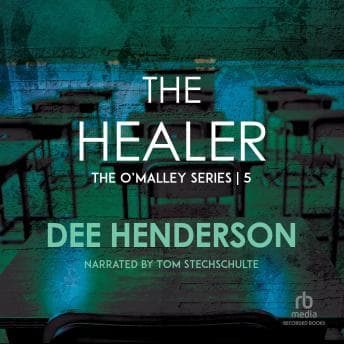
I picked up Healer on a quiet Sunday afternoon - had a logo redesign project that was giving me grief, and I needed something to sink into while I worked through color palettes. Diego was asleep on my keyboard (as usual), Frida was perched on the bookshelf giving me her "you're disappointing me" stare, and Tom Stechschulte's steady, warm voice just... settled over the apartment like a blanket.
I'd had a similar experience with his narration in Shutter Island—he has this way of pulling you into a story without ever raising his voice, like he trusts the words enough to let them breathe on their own.Rachel O'Malley Carrying the Weight of Every Broken Kid
Here's what got me: Rachel's job is helping children through the aftermath of a school shooting, and Dee Henderson doesn't flinch from how that hollows a person out. There's this emotional thread running through the whole book where Rachel is holding everyone else together - these traumatized kids, the community, the investigation around the missing gun - while quietly unraveling herself. And Henderson writes that specific kind of exhaustion so honestly. The kind where you're good at caring for others because you learned early that nobody was going to care for you first.
The O'Malley family dynamic is the beating heart of this series, and in Healer you feel it. Seven kids, all abandoned or orphaned, who chose each other. Who picked a last name off a wall and said "this is us now." That concept alone - my heart. MY HEART. As someone whose family is everything, whose abuela built a whole world in a two-bedroom house in San Antonio with nothing but love and telenovelas - the idea of having to construct your own family from scratch? It wrecked me. Abuela would have loved this one. She would've been clutching that rosary AND reaching for the tissues simultaneously.
But here's what keeps this from being pure emotional manipulation: Henderson layers in the suspense element. A child witnessed the shooting. The gun is still out there. And that tension sits underneath every tender moment like a low hum you can't quite ignore. It's not a thriller - the pacing is deliberately slow, almost contemplative - but that missing gun keeps you from ever fully relaxing.
Tom Stechschulte and the Art of Spiritual Quiet
Okay, let me talk about Tom Stechschulte, because this man understands something most narrators don't: the power of restraint. His voice isn't flashy. It's not doing vocal gymnastics. But when Rachel hits those moments of spiritual conflict - and this is a faith-based romance, so those moments are frequent and central - he handles them with this quiet conviction that feels earned, not preachy. There's a difference between a narrator who sounds like they're reading a sermon and one who sounds like they're sitting with you in the hard questions. Stechschulte is the second kind.
I will say - and this is where being honest matters - his female voice work is... fine. Not distracting, but not where he shines. You always know it's a man reading a woman's words. For some listeners that pulls them out. For me, at 1.0x speed with the afternoon light coming through my apartment windows, it didn't break the spell. But if that's a dealbreaker for you, fair.
The Faith Element - Real Talk
Let me be straight: this is Christian inspirational fiction. The faith isn't window dressing; it's structural. Rachel's journey toward God is woven into her healing, into the romance, into everything. If you're looking for a secular romance with a suspense subplot, this isn't it. If you're someone who connects with stories about finding faith through suffering - or even if you're just open to sitting with that perspective for ten hours - there's genuine emotional honesty here.
I'm not particularly religious myself (Abuela had enough faith for the whole family), but Henderson writes belief as something messy and hard-won rather than easy or pious. Rachel doesn't just accept comfort. She fights it. And that resistance made the eventual softening hit so much harder.
I ugly-cried during what I think was around the seventh or eighth hour - Rachel processing her own grief while trying to be strong for everyone else. That specific kind of crying where your throat gets tight and you have to pause the audio because you can't see your screen. (Ruined a perfectly good color palette draft. Worth it.)
Who This Is For (and Who Should Steer Clear)
If you love slow-burn inspirational romance with real emotional stakes, if you want a protagonist who heals others while learning to let herself be healed, if you don't mind faith being central to the story - grab this. If Christian fiction isn't your thing or you need fast pacing and high heat, skip it. No judgment either way.
But if this book's honest wrestling with faith resonates, I found a similar spirit in Searching For Sunday—it's a different kind of journey, more memoir than suspense, but the same willingness to sit in the hard questions without easy answers.This book felt like sitting in a quiet room with someone who finally stops pretending they're okay. At nearly ten hours, it asks for your patience. Give it.