
Let me cut to the chase: everyone told me the movie ruined the book. They were wrong.
I'd been avoiding this one for years. Saw the Scorsese film back when it came out, figured I knew the ending, what's the point? But last Tuesday I'm stuck in San Antonio traffic - accident on I-35, nothing moving for forty minutes - and I finally hit play. By the time traffic cleared, I didn't want to get out of the truck.
The Fog That Gets Inside Your Head
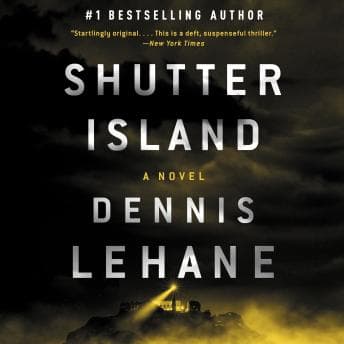
Here's what nobody tells you about Shutter Island when you already know the twist: it doesn't matter. Lehane's doing something sneakier than a simple gotcha ending. He's building dread like a military operation - methodical, patient, inevitable. U.S. Marshal Teddy Daniels arrives at Ashecliffe Hospital for the Criminally Insane in 1954, hurricane bearing down, looking for an escaped patient. Simple enough. Except nothing on this rock is simple.
The Cold War paranoia isn't just set dressing. I've been in briefings where the brass talked about "enhanced interrogation" with the same clinical detachment Lehane gives his doctors. The whispers about mind control experiments, the institutional authority that can make a man doubt his own name - it hit different than I expected. Ranger looked up at me around hour three because I'd stopped petting him. Too locked in.
Stechschulte's Quiet War
Now here's where I'll disagree with some folks. Critics call Tom Stechschulte's narration "slow and monotone." I call it tactical restraint.
This isn't a book that needs a narrator chewing scenery. Stechschulte channels Teddy's World War II veteran stoicism - the flat affect of a man who's seen Dachau and carries it in his bones. When he shifts to the doctors, there's this clinical edge, almost condescending. The orderlies get a working-class Boston roughness. But he never overplays it. Never goes theatrical when the material already has you by the throat.
That said - and I'll be honest here - around the five-hour mark, during some of the interview sequences, the pacing does drag. I bumped it to 1.25x and didn't look back. At that speed, Stechschulte's deliberate cadence becomes appropriately tense rather than plodding.
When Fiction Mirrors the Brief
I've read a lot of thrillers where the author clearly got their military and intelligence details from other novels. Lehane did his homework. Terminal List has that same authenticity when it comes to operational details and the weight of command decisions. The institutional dynamics at Ashecliffe - the way power flows between medical staff, security, and administration - feel authentic. The post-war trauma Teddy carries isn't Hollywood PTSD. It's the grinding, corrosive kind that makes a man chase ghosts across a storm-battered island. That relentless pursuit of truth while your own mind works against you - I saw echoes of it in Terminal List, though Carr takes it in a more kinetic direction.
The psychological manipulation techniques the book explores aren't science fiction either. I've seen declassified documents from that era. The line between treatment and torture got real blurry in certain government facilities. Lehane walks that line without flinching.
Who Should Storm This Beach
If you need constant action, this isn't your mission. Shutter Island is a slow-burn psychological operation. The violence, when it comes, hits harder because of the restraint leading up to it.
Perfect for: Anyone who appreciates atmosphere over explosions. Readers who want their thrillers to leave them unsettled rather than satisfied. Veterans who can handle unflinching portrayals of combat trauma and institutional betrayal.
Skip if: You've seen the movie and can't engage with a story when you know the destination. Or if you need your narrators at a brisk clip - even at 1.25x, this is a commitment.
Mission Debrief
Nine and a half hours. I finished it in three sessions, which for me means I was hooked. The ending still works even when you see it coming - maybe works better, actually, because you catch all the breadcrumbs Lehane scattered. Stechschulte's restraint serves the material even when it tests your patience.
Worth your time? Here's the debrief: This is a psychological thriller that earns its reputation. Not flashy, not fast, but it burrows into your head and sets up camp. Ranger approved - he didn't move from his spot by my desk for the last two hours.
The book made me think about how we define sanity, who gets to make that call, and what happens when the people in charge have their own agendas. Heavy stuff for a Tuesday in traffic. But that's Lehane for you.