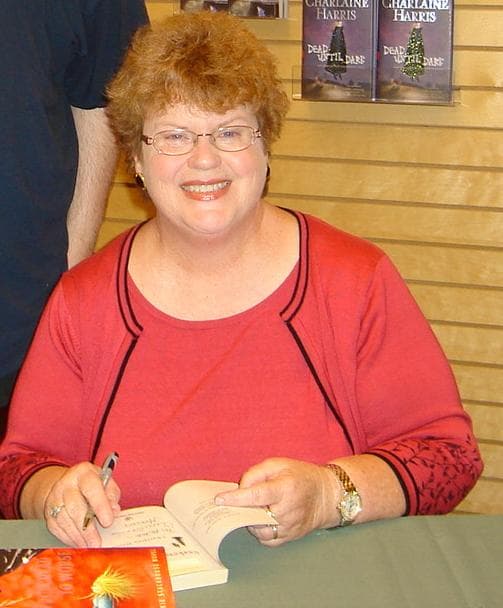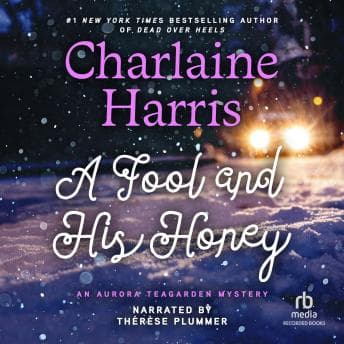

"Your handyman going crazy in your front yard" - that's the line that hooked me, maybe fifteen minutes in, and I thought: okay, Charlaine Harris, you understand that horror lives in the mundane. The domestic terror of it. Someone you trust, someone who mows your lawn, suddenly becoming a threat. That's the stuff that keeps me up at night.
Now look, I'll be upfront - this isn't horror. It's cozy mystery with a dark underbelly, and normally that's not my corner of the genre. But here's the thing about working in a library: patrons recommend books constantly, and one of my regulars (shoutout to Margaret, who brings me cookies and has impeccable taste in atmospheric fiction) insisted I give Aurora Teagarden a shot. "It's got your vibe," she said. She was... mostly right?
The Dread Beneath the Doilies
Charlaine Harris does something sneaky here. She wraps genuine menace in the trappings of cozy domesticity. A missing niece. A baby left behind. A murdered husband. And then the protagonist and her husband drive from sunny Georgia to snowy Ohio, and the landscape shift alone feels like entering a different kind of story. I listened to most of this during a late shift at the library, headphones in while I shelved returns in the mystery section (yes, the irony wasn't lost on me), and there's something deeply unsettling about processing family secrets while surrounded by hundreds of books containing other people's secrets.
The "dark family secrets" promised in the description? They deliver. Not in a gothic, Shirley Jackson way - don't go in expecting that - but in the way real families harbor real ugliness. The kind of secrets that make you look sideways at your own relatives during Thanksgiving. (My family's secrets are mostly about who really broke Grandma's lamp in 1987, but still.)
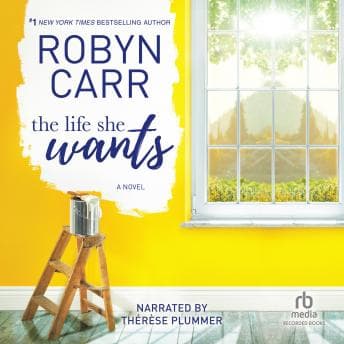
Thérèse Plummer's Quiet Control
Okay, so here's where my podcast brain kicked in. Thérèse Plummer has this warm, conversational quality that initially made me skeptical. Cozy narration for a cozy mystery, right? But she's doing something subtle - she keeps the warmth while letting the darkness seep through. Her Aurora is smart without being smug, concerned without being hysterical. And when the tension ramps up? Plummer doesn't suddenly shift into thriller-narrator mode. She stays grounded. That restraint is harder than it sounds.
I couldn't find a ton of technical background on Plummer's approach to this specific series, but based on what I heard: she understands that mystery narration isn't about dramatic reveals. It's about making you trust the protagonist enough to follow them into danger. I trusted Aurora. Even when her decisions made me mutter "don't go in there" to myself in the stacks. (The night security guard definitely heard me. We're not discussing it.)
Tight, Focused, No Filler
At under six hours, this is a tight listen. The pacing clips along - I finished it across two shifts and a late-night session with Shirley (the cat, not Jackson) giving me judgmental looks from her perch. There's no bloat here, no meandering subplots about Aurora's book club or whatever. It's focused. A baby, a missing woman, a dead man, and a trail of breadcrumbs leading somewhere you don't want to go.
The mild violence warning is accurate. This isn't splatter. It's implied threat, discovered bodies, the aftermath rather than the act. Which, honestly? Sometimes more effective. The imagination fills in gaps that explicit description can't touch. My horror-loving heart appreciated that Harris trusts her readers.
Would my podcast listeners go for this? The ones who like their horror adjacent rather than explicit, yeah. The ones who devour Ruth Ware and Tana French during the off-season between King releases. This scratches a similar itch - the sense that something's wrong beneath the surface, that normal life is a thin veneer over chaos.
Queue It or Skip It?
If you're deep into the Aurora Teagarden series, you don't need me to tell you to listen. If you're new? This works as a standalone, but you'll probably want to go back for context. Commuters, this is your jam - the chapters break naturally, the narration is clear enough for traffic noise, and you won't need to rewind constantly. Skip this if you need pulse-pounding thriller energy or explicit horror - this is a slow burn that rewards patience.
The horror isn't in jump scares - it's in the gradual revelation of what people are capable of. That same slow-building dread works beautifully in Lock and Key: The Gadwall Incident, where the real terror is watching ordinary people make terrible choices.
The Librarian's Verdict
I went in skeptical. I came out understanding why Margaret brings me cookies. Sometimes the scariest things aren't monsters. They're family.