
I was three stories deep into this collection before I realized I'd been sitting in my driveway for twenty minutes with the engine off. Carlos had texted me twice asking if I was okay. I was fine. I was just trying to figure out if I actually liked what I was hearing or if I was just too tired to turn it off.
Honest answer? Both.
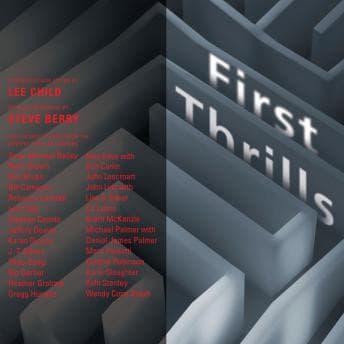
Twenty-Five Stories Is a Lot of Stories (Maybe Too Many)
Here's the thing about anthology audiobooks: they're a buffet. And like any buffet, some dishes are excellent, some are room temperature shrimp you shouldn't have touched, and most are just... fine. First Thrills bills itself as showcasing ITW's bestselling authors alongside rising stars, and you can absolutely feel that divide. Some stories hit the ground running with a setup that makes you grip the steering wheel - the one about the priest visiting his wife's murderer on death row had me holding my breath at a red light. That premise alone is the kind of moral gut-punch that works in short fiction because you don't need 400 pages of backstory to feel the weight.
But then you get the Confederate soldier story, the one where he "comes back wrong," and it's genre-hopping into territory that feels like it wandered in from a different anthology entirely. Horror-adjacent in a thriller collection. Not bad, exactly, but jarring when you're expecting a certain rhythm.
The hospital intern turned body snatcher - okay, NOW we're talking my language. As someone who's actually worked a code and has seen what happens in hospitals after dark, I was bracing myself for the usual Hollywood nonsense. The medical setting was... acceptable. Not perfect. But the writer at least seemed to understand that hospitals at night have a specific kind of quiet that's never actually quiet. That low hum of monitors, the way sound carries differently in empty hallways. They got the atmosphere right even if I had questions about the logistics. (You cannot just walk out with a body. There are systems. There are cameras. There are nurses like me who notice EVERYTHING because we have nothing else to do at 4 AM.)
Thirteen Narrators Walk Into a Recording Booth
With thirteen narrators across twenty-five stories, you'd expect some inconsistency, and yeah - it's there. The upside of multiple narrators in an anthology is that each story gets a fresh voice, a reset. You don't get narrator fatigue. The downside is that the quality swings. Some of these performers are heavyweights - Dick Hill and Luke Daniels and Michael Page are names I've seen on audiobooks I actually love. Others I couldn't pick out of a lineup.
The transitions between narrators create a natural break that honestly works well for my commute. Story ends, new voice picks up, and it feels like changing radio stations. But because the research on this one is thin on specific narrator details, I'll say this: nobody ruined anything for me. That's the bar for an anthology. No one narrator made me skip ahead, and a few of them elevated stories that might have been forgettable on paper.
I will say - twelve hours is a LOT of short fiction to consume in audio format. My brain started blending stories together around the eight-hour mark. The clandestine operative story and the dying man's last request started merging in my sleep-deprived post-shift brain into one weird mega-plot that doesn't exist.
The Real Problem With "High-Octane"
The subtitle promises high-octane. I need to address this because it set my expectations wrong. Some of these stories are slow. Deliberately, methodically slow. A few of them are more literary fiction wearing a thriller's jacket. And look, I don't mind a slow burn when I know that's what I'm getting. But when you call something "high-octane" and then hand me a story where I'm drifting off during a night shift commute - the ONE time I need to stay alert - that's a problem.
Not every story suffers from this. The ones that work, work fast and sharp. That sharp, no-wasted-motion energy is something I also found in Who the Hell is That?, which at least has the decency to commit to one gear. But the collection is uneven in a way that makes it hard to recommend as a straight-through listen. It's better as a sampler - pick a story, see if you vibe with that author, then go find their novels.
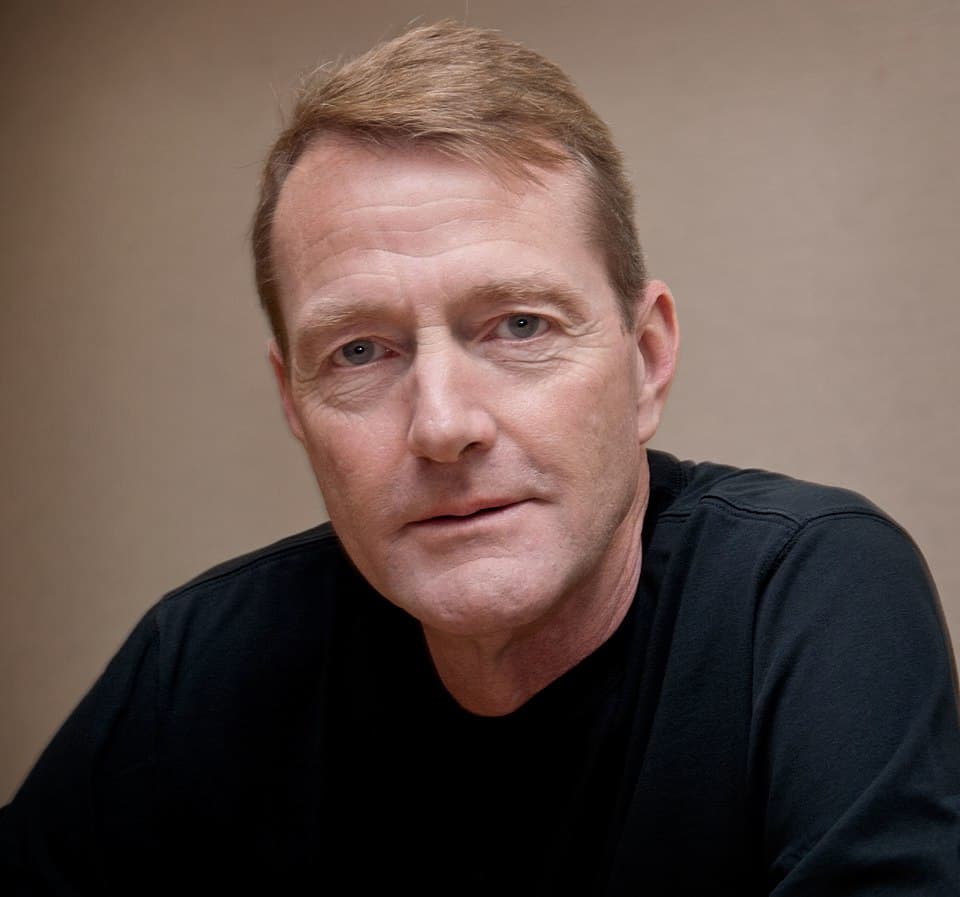
Which, honestly, is probably the point. This is a gateway drug collection. Lee Child curated it like a playlist designed to introduce you to new artists. And in that sense? It does its job. I've already added two authors to my TBR based on their stories here.
Night Shift Prescription
If you're the kind of listener who needs one continuous story to stay locked in, skip this. If you like variety and don't mind that some entries are stronger than others - and if you treat it like what it is, a sampler platter rather than a main course - it's a decent way to burn through twelve hours. Perfect for that post-shift decompression when your brain is too fried for a complex plot but you still want something with teeth.
Carlos asked why I was just sitting in the driveway. I told him I was thinking about a priest and a death row inmate. He didn't ask follow-up questions. Smart man.