
I was grading papers at 11 PM - sophomore essays on The Great Gatsby, God help me - when I realized I'd been so absorbed in this audiobook that I'd given three consecutive papers A-minuses without actually reading them. Had to go back the next morning. Worth it? Honestly, yes.
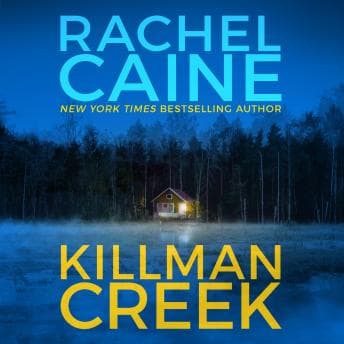
Look, I came to Rachel Caine's Stillhouse Lake series late. A colleague recommended it after I complained that modern thrillers had lost the psychological weight of classic suspense. She was right. Killman Creek picks up where the first book left off, with Gwen Proctor hunting her serial killer ex-husband who's escaped from prison. It's not Dostoevsky - I'm not pretending it is - but Caine understands something about dread that a lot of contemporary thriller writers forget. The waiting. The paranoia. The way fear colonizes every ordinary moment.
Four Narrators, One Manhunt
Four narrators. Four perspectives. This could have been a disaster. Instead, it mostly works - and when it works, it really works.
Emily Sutton-Smith carries the bulk of the narrative as Gwen, and she's the anchor this production needs. There's a rawness to her delivery that feels earned, not performed. Gwen isn't a typical thriller protagonist - she's a woman who was married to a monster without knowing it, and Sutton-Smith captures that specific kind of damaged vigilance. The way her voice tightens when Gwen talks about her children. The flat affect when she's compartmentalizing. It's good work.
Dan John Miller brings weight to Sam Cade's sections. His pacing is deliberate - almost literary, if I'm being generous - which provides a nice counterbalance to the thriller elements. Lauren Ezzo handles the teenage perspectives with appropriate intensity without tipping into melodrama.
And then there's the Connor problem.
I couldn't find much about Will Ropp's other work online, but based on this performance... some listeners have strong opinions. The voice he uses for Connor grated on me by the second chapter. And there's a Mexican accent that - look, I teach in Chicago, I hear authentic accents every day. This wasn't it. It pulled me out of the story more than once. Not a dealbreaker, but noticeable.
Where Caine Outpaces Her Genre
Here's what I kept thinking about: this is essentially a revenge narrative. Woman hunts the man who destroyed her life. We've seen it a thousand times. But Caine does something interesting - she makes Gwen's competence feel like a curse as much as a blessing. The skills she needs to hunt Melvin? She learned them from him. From years of living with a predator and not knowing it. There's something genuinely unsettling about watching her become effective at violence.
My students would probably call this "problematic" and miss the point entirely. The point is that trauma doesn't make you noble. Sometimes it just makes you dangerous. That moral complexity - the way characters become something other than heroes - reminded me of the ethical murkiness in Return of the King, where even victory comes with a cost.
The pacing sags in the middle third - there's a stretch of surveillance and planning that could have been tightened. I found myself speeding through a few chapters during a particularly dull faculty meeting. (Sorry, Principal Martinez. The budget projections weren't as gripping as a serial killer manhunt. Shocking, I know.) But when the tension ratchets up, it stays up. The final act delivers.
Who's This For (And Who Should Skip)
If you loved the first book, this is its worthy successor - darker, meaner, more desperate. If you haven't read Stillhouse Lake, don't start here. You'll miss the weight of Gwen's journey, the accumulated dread that makes this sequel hit harder.
This isn't Thomas Harris. It's not trying to be. But Caine understands that the best thrillers are really about ordinary people discovering what they're capable of when pushed past breaking. That's been true since Highsmith, and it's true here.
The multi-narrator format adds genuine depth - hearing the story from multiple perspectives keeps you off-balance in a way that serves the paranoid atmosphere. Yes, one narrator irritated me. Yes, the production occasionally feels busy. But the overall effect works. The voices become characters, not just delivery mechanisms.
I finished it during my lakefront walk with Denise. She asked why I looked so tense. I told her I'd been hunting a serial killer for the past twelve hours. She's used to this by now.
Class Dismissed
For thriller fans who want psychological weight with their suspense - absolutely. For listeners who need consistent narration quality across all voices, maybe sample first. For my fellow literature teachers looking for a guilty pleasure that's smarter than it needs to be? Yes. Just don't grade papers while listening.