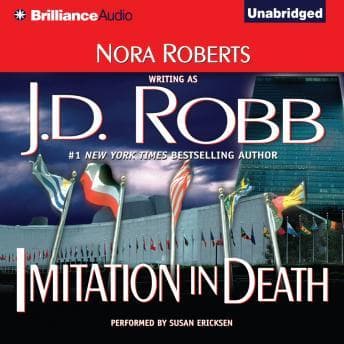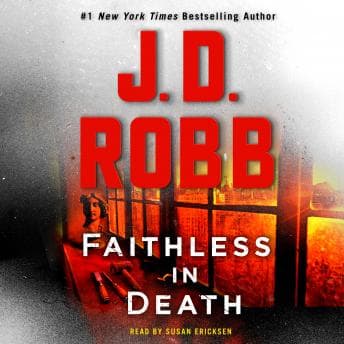

Look, I need to rant for a second about cult storylines in crime fiction. They're everywhere. Every other thriller wants to throw in a "sinister fanatical group" like it's the secret ingredient that makes a plot spicy. Usually? It's lazy. An excuse to skip actual human motivations.
But J.D. Robb - or should I say Nora Roberts wearing her darker hat - actually makes it work here. That surprised me.
Why This One Clicks
Faithless in Death starts with what looks like your standard crime-of-passion setup. Young sculptor, bashed skull, two wineglasses by the bed. Classic. But the woman who called it in takes an hour to report the body and can't stop lying about tiny details. Eve Dallas notices. Eve Dallas always notices.
She does the same thing in Abandoned in Death, where those small observational details become the entire foundation of the case.
What I appreciate about this series - and I've been dipping in and out of it for years during my late-night library closing shifts - is that Robb respects the procedural. She doesn't skip the legwork to get to the dramatic confrontation. You watch Eve and her team chip away at layers of deception (the book literally uses the sculpture metaphor, which is a little on-the-nose but works). By the time the FBI gets involved and the conspiracy reveals itself, you've earned that escalation.
The cult elements here aren't just window dressing. They're threaded into character psychology, into the way people protect their own delusions. Robb explored similar territory in Ceremony in Death, though that one leaned harder into the occult atmosphere. That's the horror angle, honestly - how ordinary people convince themselves to do monstrous things. My podcast listeners would eat this up.
Susan Ericksen Is the Reason This Series Works in Audio
I've said it before and I'll keep saying it: audiobook narrators are actors. The ones who understand this create something that transcends the page. Susan Ericksen gets it.
After 50+ books in this series, she doesn't just know these characters - she inhabits them. Eve's clipped intensity. Roarke's smooth Irish undertones. The way she shifts between the procedural scenes and the quieter domestic moments between Eve and her husband. It's not showy. It's confident. There's a difference.
Her pacing matches the intensity of the investigation, which sounds obvious but plenty of narrators can't pull it off. When the tension ratchets up, she doesn't oversell it. When there's a moment of dark humor (and there are several), she lands it without winking at the audience. That restraint is rare.
I listened to chunks of this during a particularly dead Saturday at the library. The audiobook section was empty, the rain was doing its Oregon thing against the windows, and Ericksen's voice just... fit. Clean production, no audio issues, nothing pulling me out of the story.
The Longtime Fan Question
Here's the thing - and I'll be honest about this. If you're new to the In Death series, you can absolutely start here. The mystery is self-contained. But you'll miss context. Eve and Roarke's relationship has decades of development behind it. The supporting cast has history. You'll get the plot, but you might not feel the weight of certain moments.
For longtime listeners? This is apparently one of the stronger entries in a very long-running series. The pacing is tight, the villain reveal has actual teeth, and the character work between cases - the small domestic beats - still feels fresh after all these books. That's impressive. Most series this long have calcified into formula.
Who's This For?
If you're here for a fast-paced police thriller with a futuristic twist, solid investigative work, and a narrator who's been perfecting these characters for years - yeah. This delivers.
If you need your horror slow and atmospheric, if you want ambiguity and dread that lingers? This isn't that. It's propulsive. Satisfying in a "case closed" kind of way. The dark elements are there - violence, twisted criminal psychology - but it's not trying to unsettle you. It's trying to entertain you.
Closing the Case
And it does. Shirley was unimpressed by my enthusiasm when I finished, but that's cats for you.
The cult angle works because Robb doesn't treat it as a twist - she treats it as a system that produces monsters. That's smarter than most thrillers manage. Credit where it's due.