
"She had a badge. She had a gun. But inside, she was just a child again."
I heard this line somewhere on the I-10 at 3:45 AM, and I literally had to pull over into a gas station parking lot because I couldn't focus on the road. The streetlights were humming, my scrubs were stained with something I hoped was just iodine, and Susan Ericksen was absolutely wrecking me.
Usually, I need these drives to decompress. To leave the trauma of the ER at the hospital doors so I don't bring it home to Carlos and the kids. But *New York to Dallas*? It dragged the trauma right into the passenger seat.
The Voice Inside the Nightmare
Let's be real—Susan Ericksen is the only reason I've stuck with this series for 30+ books. She brings that same intensity to Abandoned in Death, though nothing quite matches the raw emotion she delivers here. (Yes, I know that's a lot of credits. Don't do the math, Carlos will have a heart attack.)
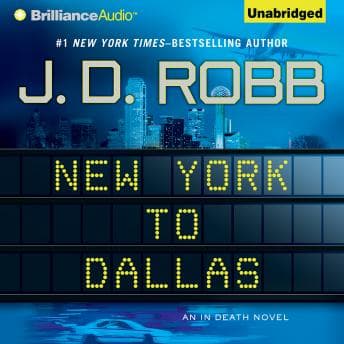
In this one, she earns every single penny. Because this isn't the usual "Eve Dallas catches a bad guy" routine. This is Eve breaking down. The villain, Isaac McQueen, is a monster from Eve's past—one of those predators that makes even seasoned ER nurses like me want to lock the doors. Ericksen does something terrifying here: she shifts Eve's voice. Usually, Eve is steel and grit. But in the flashback scenes? You hear the terrified kid. The vulnerability cracks through the armor.
And then she switches to Roarke—that rich, Irish velvet voice—and you can practically feel him trying to hold Eve together. (My husband is great, but he doesn't sound like a billionaire Irish rogue, sadly.) The way Ericksen juggles the panic of the victim and the steady, terrified love of the partner? It's the best work she's done in the series.
When the PTSD Hits Home
Okay, putting my nurse hat on. A lot of thrillers treat trauma like a plot device. Something to make the character "edgy."
J.D. Robb (and Ericksen) gets the physiology of fear right in this book. The adrenaline dump. The freezing up. The way the past bleeds into the present until you can't tell where you are. Eve goes back to Dallas to hunt this guy, and it's a descent into hell. Messy. Ugly.
There were moments—specifically when Eve visits the site of her childhood abuse—where I felt that familiar tightness in my chest that I get during a Code Blue. It's visceral. The writing doesn't shy away from the brutality of what happened to her, but it doesn't feel exploitative. It feels like a case study in survival. Firekeeper's Daughter handles trauma with that same careful balance—unflinching but never gratuitous.
Also, can we talk about Peabody? Thank God for Peabody. Ericksen voices her with this sturdy, reliable warmth that acts like a pressure valve. When the darkness got too heavy, Peabody's loyalty was the only thing keeping the story from being suffocating.
Who This Is (and Isn't) For
If you've got triggers regarding sexual abuse or childhood trauma, proceed with caution—seriously. This is not a "light listen" while you fold laundry. But if you want to see a strong female character actually deal with her demons instead of just punching them? This is it.
Clocking Out
I sat in my driveway for twenty minutes after I got home, just staring at the garage door, letting the ending settle before I went inside to make pancakes.
My mom always wanted me to be a doctor so I could "fix" people. This book reminded me that some things—like the past—can't be fixed with a scalpel. You just have to survive them.
Night shift approved. But maybe keep the lights on.