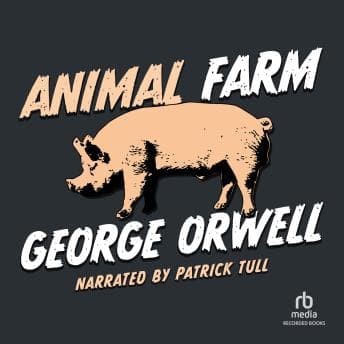

Okay, let's be real for a second. I have taught this book for twenty years. If I have to grade one more Sophomore essay explaining that "Napoleon represents Stalin," I might actually scream into my pillow. I know this story backward and forward. I can quote the Seven Commandments in my sleep. (Sad, I know. My wife Denise reminds me of this often.)
So why did I spend three hours listening to it again while grading those exact essays?
Because Patrick Tull is a genius, that's why.
The Sound of Slow Corruption
Here's the thing about Animal Farm—most people read it like a fairy tale with talking pigs. But when you listen to Tull, you realize it's actually a horror story.
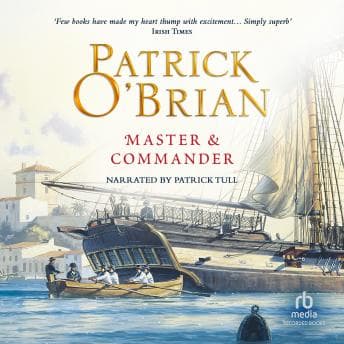
Tull doesn't do "cartoon" voices. He doesn't make the pigs sound cute. He has this gravelly, authoritative tone—if you've listened to Master and Commander or the rest of the Patrick O'Brian nautical books, you know the voice. It sounds like old wood and whiskey.
When he does Napoleon, it's chilling. Subtle. That same unsettling duality shows up in Strange Case of Jekyll and Hyde—different kind of monster, same slow reveal of what's lurking underneath. He captures that specific cadence of a politician who is lying to your face and expects you to thank him for it. And Squealer? The way Tull handles the manipulation—the shifting logic, the gaslighting—it's terrifyingly familiar. The scariest thing isn't the shouting; it's the quiet explanation of why you actually want to work harder for less food.
(This reminds me entirely too much of our last district budget meeting, but I digress. Principal Martinez, if you're reading this, I'm joking. Mostly.)
When the Satire Hits Home
The pacing here is just... chef's kiss.
Since it's only three hours long (basically a long Sunday walk along the lakefront), the slide from "Utopian Dream" to "Totalitarian Nightmare" happens fast. When you read the book, you can skim over the uncomfortable parts. You can gloss over Boxer the horse working himself to death.
But with audio? You can't skim. You have to sit there and listen to Boxer say "I will work harder" while Tull's voice breaks just enough to let you know it's hopeless. It gutted me. I was literally marking a vocabulary quiz with a red pen, and I had to put the pen down and stare at the wall for a minute.
My students think this book is boring history. They're wrong. It's a tragedy about how easily good people (or animals) get played. Hearing it performed rather than just reading the words on a page draws out the emotional weight that my 10th graders usually miss because they're too busy hunting for symbols.
Who This Is For (And Who Should Skip It)
If you haven't touched this since high school, or if you only read the SparkNotes to pass a quiz (I know you did), do yourself a favor. Three hours. Shorter than that superhero movie you watched last week, and the writing is way tighter. Skip it if you need pristine studio audio—this recording's a bit older, with some fuzz in the background. But honestly? It fits. Feels like you're listening to a historical document found in a dusty archive.
Mr. Williams Signs Off
Patrick Tull treats Orwell's prose with the respect it deserves—not as a dusty classic, but as a warning.
(Now, if you'll excuse me, I have to go write "Show, Don't Tell" on thirty more essays. The irony is killing me.)