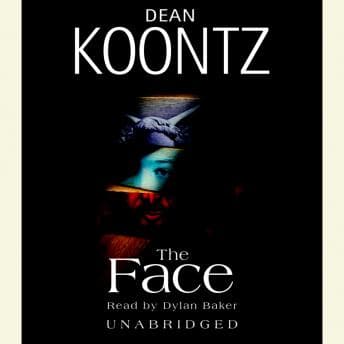

Why do we assume the face we show the world has anything to do with the one we see in the mirror? I found myself asking this somewhere around hour four of The Face, while chopping onions for a vindaloo that was definitely going to be too spicy for anyone but me. I needed the heat, honestly. Dean Koontz has this specific way of mixing the supernatural with the deeply neurotic that requires a sensory distraction.
I went into this expecting a standard thriller—Hollywood star Channing Manheim gets stalked, chaos ensues. But as the hours ticked by (and there are nineteen of them, so pace yourself), I realized I wasn't listening to a crime novel. I was listening to a dissertation on the Shadow Self. The villain sending those cryptic boxes to Manheim's estate isn't just a generic bad guy; he's the chaotic response to Manheim's perfectly curated order. Flicker in the Dark explores that same duality—how the personas we construct can become prisons for the parts of ourselves we refuse to acknowledge. Classic Jungian psychology: the brighter the light, the darker the shadow.
And Fric, the star's son trapped in that fortress of a mansion? A heartbreaking case study in attachment disorder. The way Koontz writes Fric's isolation—surrounded by staff but emotionally starving—actually made me pause the track to write a note. It's rare to see the trauma of 'celebrity kid' syndrome handled with that much empathy.
## Dylan Baker's "Detached" Delivery Is the PointBefore I hit play, I saw reviews complaining that his voice was "nasal" or "detached." And at first, I heard it too. He doesn't have that rich, baritone 'voice of god' quality some listeners crave. But about two hours in, while he was navigating the absurdity of Hollywood egos, it clicked. The detachment isn't a bug; it's a feature. Baker sounds like a jaded industry insider watching Rome burn. His irony is the perfect delivery system for a story about how fake Los Angeles is.
He doesn't do wild, cartoonish voices for every character, but he nails the attitude. When he narrates the security chief Ethan Truman, there's a weary pragmatism that grounds the more bizarre supernatural elements. If he had played it straight or overly dramatic, the whole thing would've collapsed into melodrama.
## Nineteen Hours of Bel Air Weather (and Why That's Okay)This is a slow burn. Koontz takes the scenic route. There are descriptions of the Bel Air weather that last longer than my actual commute to campus. If you need a body drop every fifteen minutes, you're going to be annoyed. P Is for Peril operates on a similar wavelength—it trusts you to care about the investigation more than the explosions. But if you're willing to sit with the characters—especially the eccentric staff like Mrs. McBee (who terrifies me in the best way)—the payoff works.
## Who's Going to Love This (and Who Should Skip)If you're drawn to psychological horror that's more about dread than gore, and you don't mind a narrator who sounds like he's seen too much to be impressed by anything—this one's for you. Skip it if you want tight pacing or a narrator with theatrical range. This is a long haul, but Baker's dry, cynical delivery kept me hooked even when the plot wandered off into the weeds.