
I started re-listening to this at 11 PM on a Tuesday. I was in the middle of rewriting a pitch deck for a 24-year-old founder who thinks screaming at his dev team makes him a visionary. (Spoiler: It doesn't. It just makes him a liability.)
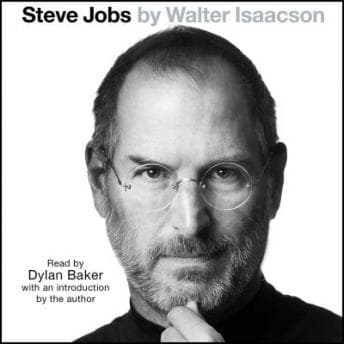
I needed a reminder of what actual genius-level dysfunction looks like. Walter Isaacson delivers it in a 24-hour package that is equal parts inspiring and absolutely terrifying.
The Reality Distortion Field (and Why You Shouldn't Try It)
Here's the thing. Every startup CEO I consult for has read the CliffsNotes of this book. They think the takeaway is "be an asshole and you'll build the iPhone." They miss the part where Jobs had an aesthetic sense that was basically a neurological condition.
Isaacson doesn't sugarcoat it. He had access to everyone—Jobs, his exes, his enemies, the people he fired in elevators. The portrait isn't pretty. It's raw. Jobs crying because the blue on a circuit board—which nobody would ever see—was the wrong shade? That's the kind of detail that hits home for me. It reminds me of my dad checking the creases on trousers in our dry cleaning shop. If it wasn't perfect, it was garbage. My dad didn't build Apple, but he understood the binary nature of quality. It's either right, or it's shit.
But man, the cruelty. Isaacson lays out the "Reality Distortion Field"—Jobs's ability to bend facts to his will—not as a superpower, but as a weapon. There were moments listening to this where I literally winced. The way he treated his daughter Lisa? Brutal. If you're looking for a hero, go listen to a Marvel novel. This is a case study in how to change the world while alienating everyone who loves you.
Dylan Baker: The Steady Hand This Book Needs
Dylan Baker narrates this. I looked him up—he's an actor, been in a ton of stuff. The research calls his performance "workmanlike." In the audio world, that's usually a backhanded compliment.
But for a business biography? It's exactly what you want.
Baker doesn't try to do a Steve Jobs impression. (Thank God. That would've been unlistenable for 24 hours.) He reads with this crisp, earnest precision—sounds like a highly competent board member reading the minutes of the most interesting meeting in history.
Because the book is so long—and let's be real, the sections on the NeXT computer era drag a bit—you need a narrator who doesn't get in the way. Baker is steady. He allowed me to crank this up to 2.25x speed without losing clarity. He steps back and lets Isaacson's reporting do the heavy lifting.
The ROI on 24 Hours
Is it worth a full day of your life? Yes. But you have to listen to it correctly.
Don't listen to this for the "management tips." (Please, for the love of God, do not manage people like Steve Jobs.) Listen to it for the product philosophy. The obsession with the integration of hardware and software. The refusal to do focus groups because "people don't know what they want until you show it to them."
That's the gold.
My wife Jenny walked in while I was listening to the chapter on the iPad launch. She heard Jobs berating someone and asked, "Why do you listen to stressful people when you're stressed?"
She has a point. But there's something weirdly calming about seeing the messy, chaotic, human cost behind the shiny devices we're all addicted to.
Who should listen: Anyone in tech, product, or leadership who wants to understand the real cost of "insanely great." Who should skip: If you're looking for a feel-good founder story or actionable management advice, look elsewhere.
Bottom line: It's the definitive book on the guy. If you're in business and you haven't digested this, you're flying blind. I had a similar wake-up call reading Open Book—another case study in the gap between ambition and self-awareness. Just remember: You are not Steve Jobs. You're probably just a guy with a temper and a Squarespace site. Know the difference.