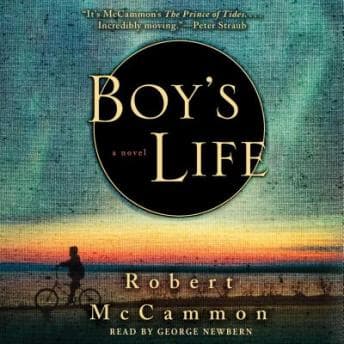

George Newbern opens this audiobook as a sociopath, and it's the kind of cold, calculated monologue that makes you check your rearview mirror. That first chapter sets the operational tempo for everything that follows—nearly fourteen hours of psychological warfare that had me white-knuckling my steering wheel through three weeks of commutes.
Lisa Scottoline built her career on legal thrillers, but Every Fifteen Minutes is something meaner. Dr. Eric Parrish is a psychiatrist running on fumes—separated from his wife, juggling single dad duties with a seven-year-old, keeping his hospital unit afloat. Then a seventeen-year-old named Max lands in his office. The kid has OCD so severe he runs mental rituals every fifteen minutes just to keep himself functional. He's got violent thoughts about a girl he likes, and he can't make them stop. When that girl turns up dead and Max disappears, Eric makes the tactical error of trying to help. That's when someone starts dismantling his life piece by piece.
Newbern's Performance: Clinical Precision Meets Genuine Warmth
Here's the debrief on Newbern: the man understands that psychological suspense doesn't require theatrics. His voice carries genuine warmth during Eric's scenes with his daughter Hannah. It shifts to clinical precision in psychiatric sessions. And when he inhabits the sociopath's perspective, something goes wrong behind his eyes—you can hear it. The transitions never feel forced. He's not performing characters; he's becoming them.
The pacing demands some patience. Scottoline stacks crises like she's building a siege—sexual harassment allegations at work, Eric becoming a person of interest in a murder investigation, his custody arrangement suddenly vulnerable. Each hit lands before you've processed the last one. Ceremony in Death applies similar pressure, though Robb's detective faces occult conspiracies instead of psychiatric ones. Newbern handles the escalation without burning out the listener. I found myself sitting in my driveway more than once, engine off, waiting to hear what happened next.
The Long Haul: Worth the Runtime?
I won't sugarcoat it—this is a long haul. Over thirteen hours means some sections feel stretched thin. The middle act circles back on Eric's isolation and paranoia in ways that slow momentum. If you're the type who gets restless with methodical storytelling, you'll probably bump your playback speed. Fair enough.
The length serves a tactical purpose, though. Scottoline wants you trapped in Eric's head, feeling his options narrow as the conspiracy closes around him. By the time the reveals start dropping in the final hours, you've been so deep in his desperation that the payoff lands hard. This isn't built for quick consumption. It's built for listeners who want to occupy a story, not just pass through it.
Production quality is solid throughout. Clean audio, no artifacts, no jarring cuts between recording sessions. Newbern stays consistent from first chapter to last—matters when you're asking someone to stick with you for this runtime.
Character Work That Earns Its Edgar Credentials
Scottoline's Edgar Award credentials show in her character work. Eric isn't a hero—he makes bad calls, misses obvious red flags, lets emotion override professional judgment. That's what makes him real. Max feels authentic too, not just a checklist of symptoms. His OCD rituals, his terror at his own thoughts, his desperate need for someone to get it—Newbern voices all of this with genuine empathy.
Now, the sociopath. That's where Newbern earns his hazard pay. Without spoiling the reveals, there's a character in this book who manipulates everyone with surgical precision. Newbern plays this person as completely ordinary on the surface. Just enough wrongness underneath to raise the hair on your neck. It's the kind of performance that teaches you how sociopaths actually operate—not through obvious menace, but through charm and misdirection. The Girl on the Train works similar territory, peeling back layers of unreliable perception until you're not sure who to trust.
Content Advisory
Fair warning: the sexual harassment subplot is uncomfortable by design. There's violence, though Scottoline doesn't wallow in graphic details. The psychological distress runs persistent and sometimes intense. If professional destruction or parental anxiety hit close to home for you, brace accordingly.
Who's This Mission For?
For commuters, this is Ranger approved. Chapters maintain forward momentum, the mystery gives you something to chew on between sessions, and the story is engaging enough that you won't lose the thread over a two-week listen. Skip it if you need tight, fast-paced thrillers—this one's methodical by design.
Mission Assessment
Is the plot airtight? Negative. Some coincidences strain credibility, and sharp listeners may ID the villain before the official reveal. But Scottoline isn't writing a procedural. She's writing about how fast a life can come apart when someone decides to take it apart. On that mission, the book delivers.
Newbern's narration elevates material that could've gone melodramatic with a lesser operator. He finds what's human in Eric's panic. He makes Max's struggle hurt. And when the sociopath's calculations finally come clear, you feel the full weight of what's been happening. That's what a psychological thriller should do—get under your skin and stay there.