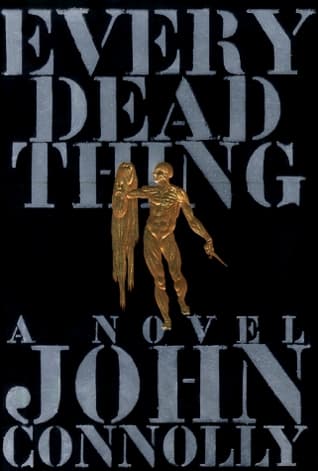

"He uses the human body to create works of art and takes faces as his prize."
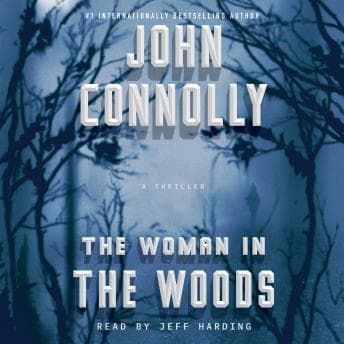
That line hit me somewhere around 2 AM, charting in a quiet ICU bay, and I had to pause the audiobook because—look, I've seen a lot. Fifteen years of trauma nursing means I've developed a pretty solid stomach for the grotesque. But John Connolly? He writes violence that crawls under your skin and sets up permanent residence.
When the Darkness Actually Earns Its Keep
Here's the thing about dark crime fiction. Most of it tries too hard. Authors pile on the gore like they're checking boxes on some edgy thriller bingo card. But Connolly does something different—he makes you feel the weight of every death. Charlie Parker isn't just hunting a serial killer called the Traveling Man. He's dragging himself through his own personal hell, haunted by the murder of his wife and daughter, and honestly? The grief in this book is so raw it made my chest hurt.
I've held the hands of parents who've lost children. I've watched people try to function when their whole world has collapsed. Connolly gets that hollow, walking-wounded quality right. Parker isn't some brooding detective cliché—he's genuinely broken, and the way he keeps moving forward anyway? That's the kind of stubborn survival I see in my patients. The ones who shouldn't still be fighting but are.
The Louisiana bayou setting in the back half of this book is thick and humid and oppressive. Perfect for a 3 AM listen when the hospital is quiet and you're trying not to think about the patient in room 4 who's not doing well. (Knock on wood. Always knock on wood.)
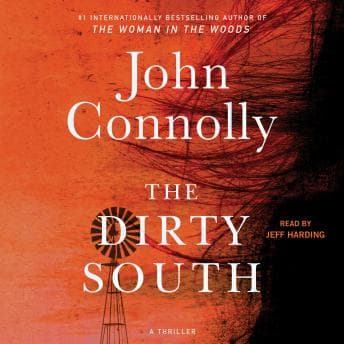
Jeff Harding Made This a 16-Hour Commitment I Didn't Regret
Okay, so 15 hours and 46 minutes is a LOT of audiobook. That's basically three weeks of my commute home from night shift. And I'll be honest—the first few hours? A little slow. Parker's wallowing in his grief, the setup is taking its time, and I was starting to wonder if this was going to be one of those books I abandon halfway through.
But Jeff Harding kept me hooked. His voice has this rich, worn quality that fits Parker perfectly. Not too polished, not trying too hard. When he shifts into the Louisiana characters, the accents feel genuine—and as someone who's worked with nurses from everywhere, I notice when accents go sideways. These didn't. The bickering career criminals Angel and Louis? Harding gives them distinct personalities without making it feel like a cartoon.
The pacing picks up significantly once Parker gets to Louisiana. That's when the trap starts closing, and suddenly I was sitting in my driveway at 7 AM, engine off, Carlos probably wondering why I hadn't come inside yet. (I blamed traffic.)
This Is Not Your Standard Procedural
I need to warn you—there's a supernatural element here that might throw some people. The ghosts of the dead, visions, an old psychic who met a terrible end. If you want straight-up crime fiction with forensics and evidence chains, this isn't quite that. It's more... atmospheric. Literary, even. Connolly writes like someone who studied poetry before he picked up crime fiction.
Some of the violence is genuinely disturbing. The Traveling Man is the kind of villain who stays with you, and not in a fun way. I've read plenty of serial killer books—comes with the territory when you need something intense enough to keep you awake during charting—but this one has a specific kind of cruelty that's hard to shake.
The medical details, when they come up, are... close enough. (High praise from me, honestly. I yelled at my dashboard exactly zero times, which is a record for thrillers.) The descriptions of what the killer does to bodies are more artistic horror than clinical accuracy, which actually works better for the story.
Who Should Hit Play (And Who Should Skip)
Night shift approved, but with caveats. This is perfect for post-shift decompression if you want something that'll consume your attention completely. Not great if you're already in a dark headspace—Parker's grief is heavy, and the violence doesn't pull punches. Skip this one if you need your crime fiction strictly realistic; the supernatural threads won't work for you.
If you liked the Lincoln Rhyme books or anything by Jeffery Deaver, you'll probably dig this. Gone Girl has that same meticulous unraveling of a dark mystery, though Flynn takes it in a completely different direction. It's got that same obsessive attention to a twisted killer's methodology. But Connolly's prose is more lyrical, less clinical. Think Thomas Harris if he'd grown up reading Irish poetry.
Carlos asked why I looked so tired after finishing this one. I didn't tell him I'd stayed up an extra hour past my usual sleep time to finish the Louisiana showdown. Some things are better left unexplained.
My mom would hate this book, by the way. Too dark, too violent, not enough romance. She still thinks I should've been a doctor AND that I should read more uplifting things. But she's not the one who needs something intense enough to process what we see in the trauma bay. This book understands that sometimes you fight darkness with darkness.
Just maybe don't start it right before a particularly rough shift. Trust me on that one.