
When's the last time you listened to something written four hundred years ago and thought, yeah, this is basically a Tuesday night in my trauma bay?
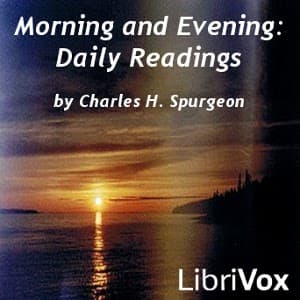
I picked up Webster's Duchess of Malfi on a whim - three hours, free LibriVox recording, figured it'd be a nice palate cleanser between the medical thrillers I usually burn through. I was sitting on the back patio at 7 AM, post-shift, too wired to sleep, coffee going cold next to me. And this 1614 play about a widow who dares to marry for love and gets destroyed for it by her own brothers - it hit different than I expected.
A Widow Who Refuses to Be Managed
Here's what got me: the Duchess knows exactly what she's walking into. She marries Antonio, her steward - a man below her station - in secret, and she does it with her eyes wide open. She's not naive. She's choosing agency over survival, and Webster writes her with this quiet steel that reminded me of patients I've known who make the hard call and don't flinch. Ferdinand, her twin brother, is unhinged in a way that feels genuinely dangerous - his obsession with controlling her body and her choices has this skin-crawling sexual undertone that Webster doesn't shy away from. And then there's the Cardinal, who's corrupt in that cold, bureaucratic way that's almost worse. Between the two of them, the Duchess doesn't stand a chance, and you know it from the start. That inevitable slide toward tragedy - I felt it in my chest.
The play is bloody. Genuinely bloody. Strangulation, poisoning, madness, a dead man's hand presented as a gift. As someone who's actually worked a code, I don't flinch at much, but the scene where Ferdinand sends the Duchess wax figures of her dead husband and children to break her psychologically? That's not gore for shock value. That's calculated cruelty, and it lands.
The LibriVox Problem (You Know the One)
Okay, so. The production. It's free, and you get what you pay for. Multiple volunteer narrators each take different characters, which in theory should work great for a play - it's basically designed for multiple voices. In practice? The recording quality bounces around like my blood pressure during a mass casualty event. One narrator will sound like they're in a proper studio, the next sounds like they recorded in their bathroom. You adjust. You deal with it.
But here's the thing I can't let slide: one of the male narrators has this high-pitched, grating delivery that pulled me out of the story every single time he spoke. In a three-hour listen, that's a lot of wincing. It's like having an IV pump alarm going off during a quiet moment - technically functional, but actively working against the atmosphere. The inconsistency between narrators isn't just a polish issue; it undermines the tension Webster built into his language. When the Duchess is facing down her death with dignity and the audio quality shifts mid-scene, you lose the thread.
Some of the other volunteers do solid work - the earnestness is there, and you can tell people genuinely care about the material. But earnestness doesn't replace consistency. I kept thinking about this same production quality gap when I reviewed Let's Go (So We Can Get Back) - Jeff Tweedy has a whole lot to say about what separates earnest effort from something that actually coheres, and some of it stung a little.
Why Bother With a 400-Year-Old Play?
Because the Duchess is a character who deserves to be heard. Because Webster understood something about how powerful men destroy women who refuse to comply, and he wrote it with a bluntness that feels uncomfortably modern. Because Ferdinand's descent into lycanthropy - literally believing he's turning into a wolf - is one of the wildest character arcs in English drama, and even a bumpy LibriVox recording can't completely flatten it.
I kept thinking about my mom while listening. Not because she'd love this (too much murder, though honestly she watches enough teleserye that she might). But because the Duchess is the eldest. She carries everything. She makes a choice for herself and the world punishes her for it. My mom would understand that story even across four centuries.
Night Shift Prescription
If you're a Jacobean drama person, you already know this play, and this free version will scratch the itch even with its rough edges. If you're coming in cold - maybe grab a print copy alongside the audio, because the language is dense and the volunteer narration doesn't always guide you through the tricky bits. At just under three hours, it's a low-commitment way to experience something genuinely dark and genuinely worth your time.
But if audio quality matters to you - and I mean really matters - this might not be your version. The play deserves a proper full-cast treatment with consistent production. What we've got here is the community theater version: heart in the right place, execution uneven, one cast member you wish they'd recast.
Carlos asked why I was still on the patio two hours after my shift. I told him I was processing a 17th-century murder. He didn't even look up from his phone. Fifteen years of marriage to a trauma nurse will do that.