
"I wanted to be a person who made things. Not just songs. Things."
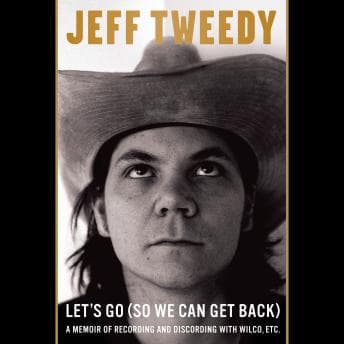
Tweedy drops this around hour three, and I had to pull over my car. Not because it was profound - plenty of business books say similar things with worse prose - but because he meant it. You can hear it. That Midwestern flatness in his voice cracks just slightly, and suddenly you're not listening to a rock memoir. You're listening to a guy who figured out what my parents knew running their dry cleaning shop: the work IS the point.
The Anti-Rock Star Playbook
Bottom line: This is not the memoir you're expecting. No trashed hotel rooms. No legendary feuds unpacked for drama. Tweedy spends more time on his dad's drinking and his mom's quiet resilience than on any Wilco drama. Chapter 12 hit me so hard I had to pause mid-commute and just... sit there. He talks about opioid addiction the way you'd discuss a bad business decision - clinical, honest, zero self-pity. "Here's what I did wrong. Here's what it cost. Here's what I learned."
The key takeaway is worth the listen. The other 7 hours? Actually, they're worth it too. That's rare.
Tweedy's approach to songwriting reads like a clinic in creative process that most $300 business seminars wish they could deliver. He breaks down how songs get made with the same analytical rigor I'd use on a client's P&L statement. No mystical artist nonsense. Just: here's the problem, here's how I solved it, here's what I'd do differently. My parents never had a TED talk, but they operated the same way.
When the Narrator IS the Product
Here's the thing about author-narrated memoirs: they're either painfully authentic or painfully amateur. Tweedy lands somewhere interesting - his casual, almost mumbling Midwestern delivery makes you feel like you're in a bar at 1 AM and he's just... talking. Not performing. Talking.
My Body has that same unguarded quality - Emily Ratajkowski writing like she's thinking out loud rather than performing for an audience, and it lands for exactly the same reason.Some people hate this. The pacing meanders. He'll start a story, drift into a tangent about his sons Spencer and Sam, then circle back three minutes later. His wife Susie narrates a short section and - I'll be honest - she's better at the technical stuff. Cleaner delivery, better pacing.
But that's not the point, is it? You're not here for polish. You're here for Tweedy. And Tweedy sounds exactly like Tweedy should sound: a guy who's thought too much about everything and is finally letting it out.
What My Parents Would've Heard
My folks never listened to Wilco. Too busy working. But they would've understood this book instantly - the sections about growing up in Belleville, Illinois, watching his parents navigate their own struggles, figuring out that success isn't about the big moments but about showing up every single day.
Tweedy writes about the St. Louis record stores and rock clubs that shaped him the way I think about my parents' Koreatown dry cleaning shop. These weren't glamorous places. They were where the work happened. Where you learned that 14-hour days aren't punishment - they're the price of building something real.
The addiction chapters are brutal. Not dramatic-brutal. Honest-brutal. He talks about opioids the way a failed founder talks about their startup: "I made choices. They had consequences. I'm still here." No excuses. No villains. Just accountability.
Jenny would say I'm being harsh. Jenny is right. But she'd also appreciate that Tweedy doesn't ask for sympathy. He just tells you what happened.
Skip to Chapter 5? Actually, No
For once, I'm not telling you to skip ahead. The early childhood stuff - usually the part I fast-forward through in business memoirs - actually matters here. Tweedy builds his creative philosophy from those Belleville roots, and you need the foundation to understand the house.
Fair warning: this requires dedicated listening. Don't throw it on during your workout. Don't half-listen while answering emails. Tweedy's casual delivery means you'll miss things if you're not paying attention. I listened at 1.5x (yes, I slowed down from my usual 2.0x - that's how you know it's good) and still had to rewind twice.
Who Should Listen (And Who Should Skip)
Wilco fans: obvious yes. But also - and this surprised me - anyone building something creative. Entrepreneurs. Writers. People who've ever wondered if their weird obsessions might actually be worth pursuing.
Who should skip: Anyone wanting rock-star drama. Anyone who needs constant narrative momentum. Anyone who thinks memoirs should be chronological and tidy.
This isn't a traditional rock memoir. It's a business book disguised as a music book disguised as a therapy session. And somehow, that works.
The Consultant's Take
I've read maybe 200 business memoirs. Most are garbage - ghost-written pablum designed to sell consulting services. Tweedy wrote this himself, narrated it himself, and you can tell. The rough edges are features, not bugs.
A memoir that respects your time by actually having something to say. Eight hours, zero filler. My parents would've approved.







![Steve Jobs [unabridged audiobook] audiobook cover](/_next/image?url=https%3A%2F%2Fcovers.audiobooks.com%2Fimages%2Fcovers%2Ffull%2F9788499923406.jpg&w=1920&q=75)