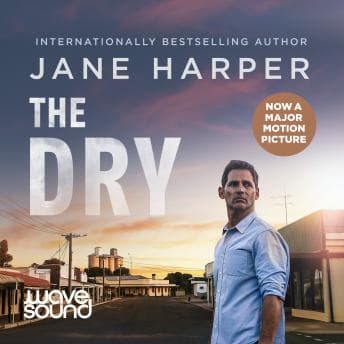

I listened to this on the I-10, driving home after a twelve-hour shift where the AC in the trauma bay was broken. Living in Phoenix, I thought I knew heat. I thought I knew what "dry" felt like. Then I turned on this audiobook, and honestly? I needed a glass of water just listening to the prologue.
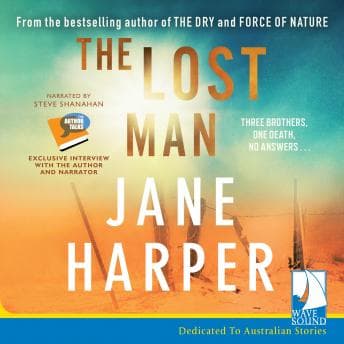
Jane Harper didn't just write a setting; she wrote a physiological condition. And Steve Shanahan—the narrator—sounds like he's got dust in his throat. It's perfect. But let's talk about why this book made me yell at my dashboard a few times.
The Anatomy of a Small Town
So, here's the setup: Luke Hadler supposedly kills his wife, his kid, and then himself. The town of Kiewarra is ready to write it off as a tragedy caused by the drought. "The heat made him crazy." I hear that excuse a lot in the ER. "It was the stress," or "He just snapped."
But Aaron Falk—Luke's old friend and a federal agent—comes back for the funeral and starts poking around.
What I loved? The pathology of the town itself. Working in a hospital, you see how secrets fester like an untreated infection. Kiewarra is septic. Everyone is hiding something, everyone is lying, and the tension is so tight you could bounce a quarter off it. Harper nails that claustrophobic feeling where the history you share with people is the exact thing that's choking you.
(My mom would say this is why you don't go back to the village, but that's a whole other story.)
The Voice in the Dust
Let's talk about Steve Shanahan. I hadn't heard him before.
His voice is... textured. That's the word. He has this authentic Australian accent that isn't the cartoonish "Crocodile Dundee" stuff we usually get in the States. It's grounded. He differentiates the characters without doing silly falsettos for the women, which I appreciate. When you listen to audiobooks as much as I do, a bad female voice done by a male narrator is like hearing fingernails on a chalkboard.
However—and this is a big however—you have to pay attention.
There are flashbacks. A lot of them. In the text version, I assume there are italics or chapter breaks. In the audio? There's just a pause. A breath. And then suddenly you're twenty years in the past. I was driving past the exit for 7th Street when the timeline shifted, and I didn't realize it for a solid two minutes. Thought I'd missed a plot point because I was focused on merging. If you're listening while doing something that requires 100% brain power (like charting or navigating rush hour), you might get lost. You have to lock in.
When the Pacing is a Slow Drip
This isn't an action movie. It's a slow burn.
Some people hate that. They want explosions and car chases. Me? I deal with adrenaline all night. I like a mystery that unfolds slowly, like unwrapping a sterile dressing. You peel it back layer by layer to see how bad the wound really is.
It dragged a little in the middle—I won't lie. There were moments where I thought, "Okay, Aaron, we get it, the town hates you, move on." But the payoff? The ending? Solid.
And from a medical standpoint? The forensic details didn't make me cringe. Usually, thriller writers treat autopsies like magic shows. Harper kept it grounded. The violence wasn't gratuitous, but the aftermath of it—the emotional trauma—felt very real. Power of the Dog had that same weight—the kind of violence that lingers in what it does to people, not just in the moment it happens. As someone who has held the hand of the surviving family members more times than I can count, the grief in this book felt heavy. Real heavy.
Who's This For (And Who Should Skip It)
If you want a mystery that feels like it's sweating alongside you—something moody for a gritty sunrise commute—this is the one. Skip it if you need fast resolutions or if you can't give it your full attention; those timeline jumps will lose you.
Clocking Out
This is a "moody commute" book. Perfect for when the sun is just coming up and the world feels a little gritty. Don't listen if you're already feeling dehydrated or impatient.
(Just maybe keep a bottle of water in the cup holder. Trust me.)