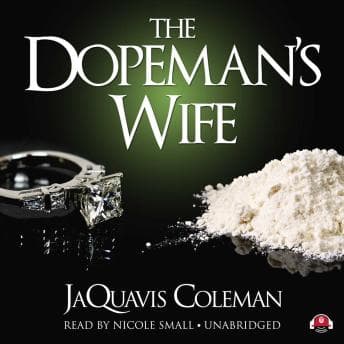

I went into this one with my literary snob defenses up. Twenty years teaching Fitzgerald and Morrison, and here I am downloading street lit at 11 PM while grading sophomore essays on The Great Gatsby. The irony that both books deal with the American Dream's dark underbelly wasn't lost on me. That same corruption-of-innocence theme runs through Adventures of Tom Sawyer, though Twain wraps it in nostalgia instead of trap houses. But Denise was already asleep, the stack of ungraded papers wasn't getting any smaller, and sometimes you need something that moves.
When the Hood Meets the Classroom
Here's what surprised me: JaQuavis Coleman understands something about tragedy that my students struggle to see in the classics. Nautica's arc—the scam artist trying to go straight, only to fall for a kingpin who promises legitimacy—is basically a hip-hop Gatsby. She wants the green light at the end of the dock, except her dock is the East Coast and her green light is being "Queen of the Street." My students would actually get this. They'd understand Nautica's choices in ways they never quite grasp Daisy Buchanan's.
The writing itself is... uneven. I won't pretend otherwise. There's repetition that a good editor should have caught—plot points restated, character motivations hammered home when once would suffice. The pacing drags in the middle third, circling the same emotional territory like it's afraid to move forward. One listener I read described it as "not going anywhere at all," and while that's harsh, I understand the frustration. Coleman has the story instincts of a natural, but the craft isn't quite polished.
Nicole Small Saves What Needs Saving
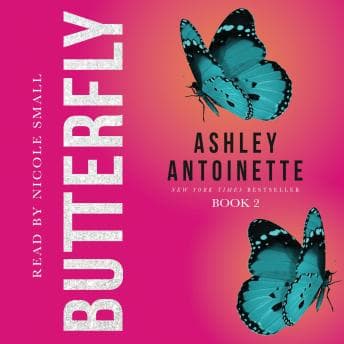
This is where the audiobook format earns its keep. Nicole Small's narration doesn't just deliver the text—she interprets it. And interpretation, as I tell my students about Shakespeare performances, can elevate material beyond what's on the page.
Small brings emotional weight to Nautica's internal conflicts that the prose sometimes only sketches. When Manny's promises start curdling into control, you hear the shift in Small's voice before the text makes it explicit. That's performance art. That's what a narrator is supposed to do. Apparently Coleman's other books used a narrator named Honey, and while I haven't heard that version, listeners specifically praised Small for her work in comparison. I believe it.
No pronunciation issues, no audio glitches, no jarring production problems. At 8 and a half hours, it's a committed listen but not an unreasonable one.
A Note for the Squeamish
I should mention—this isn't cozy. Violence, abuse, explicit content, language that would get my students detention. If you're looking for escapism with soft edges, look elsewhere. The content warnings exist for good reason. But if you've ever taught in Chicago public schools, you know this world isn't fiction for everyone. Some of my students live adjacent to these stories. That's not a judgment—it's context.
What Coleman Gets Right
The relationship dynamics between Nautica and Manny feel authentic in their toxicity. The way love and transaction blur together, the way promises of protection become tools of control—Coleman writes this with the specificity of someone who's observed it closely. When dark secrets surface (as the description promises), they don't feel manufactured for drama. They feel like the inevitable archaeology of two people who never should have trusted each other.
This is the first book in a trilogy, and it shows. Setup dominates. You're being positioned for a larger story, which means some patience is required. But the foundation is solid enough that I'm curious where it goes.
Who This Is (and Isn't) For
Skip this if pacing issues frustrate you or if you need your prose polished to a high shine. But if you're drawn to urban fiction that doesn't apologize for its world while still allowing its characters moral complexity? Nicole Small's performance makes the uneven source material genuinely engaging.
Mr. Williams's Final Grade
Not quite worth pausing the faculty meeting for. But worth the late-night grading sessions? Yeah, actually.
My students would probably love this. I'd never assign it—Principal Martinez would have my head—but I might quietly recommend it to the kid who claims he "doesn't read." Because here's the thing: audiobooks count. Stories about people who look like you count. And sometimes the American Dream's corruption hits harder when it's set in trap houses instead of West Egg mansions.
Coleman is a New York Times bestseller and Ebony's top 100 for a reason. The craft will hopefully tighten as the series progresses. For now, this is a promising start carried by strong narration.