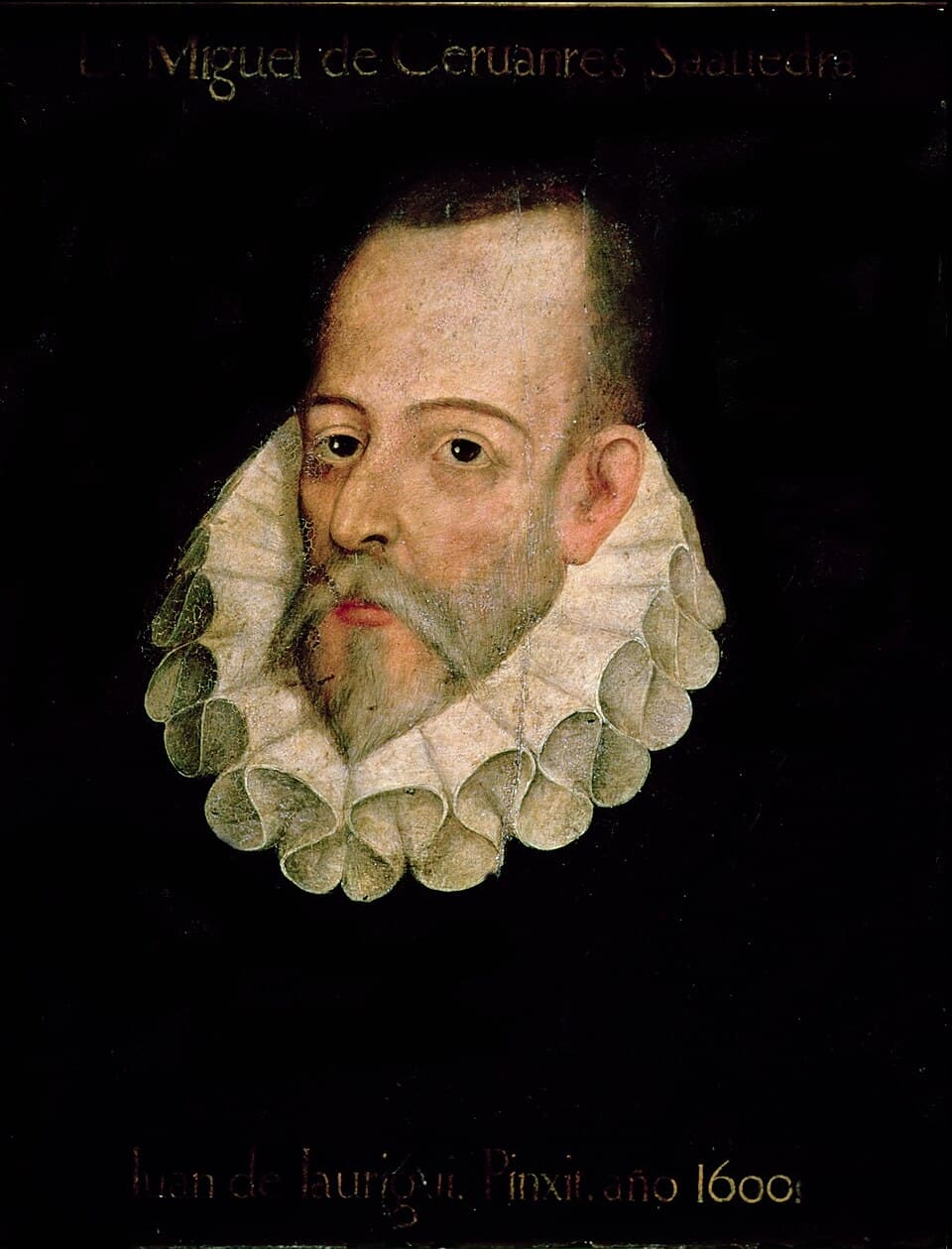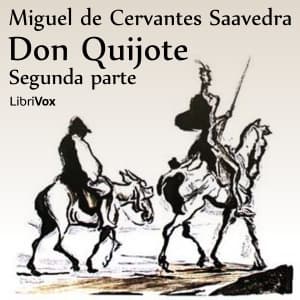

I was walking the lakefront with Denise last Saturday — one of those rare October mornings where Chicago decides to be beautiful instead of brutal — and somewhere around hour fourteen of this thing, she turned to me and said, "You look like you're about to cry." I wasn't. But I was close. Because by that point, I'd spent so much time with Don Quixote and Sancho Panza that the thought of them eventually leaving me felt like losing friends I'd known for decades.
This is Part Two. The 1615 sequel. And I need to say something that might get my literary credentials revoked: the second volume of Don Quixote is stranger, sadder, and honestly more interesting than the first.
The Knight Who Knows He's a Character
Here's what makes Part Two so disorienting and brilliant — Cervantes writes characters who have read Part One. Don Quixote and Sancho walk into a world where people already know their story, have opinions about it, and sometimes manipulate them because of it. It's metafiction written four hundred years before anyone had a word for it. My students would hate this. I love it.
Cervantes is doing something here that I genuinely don't think another writer pulled off until maybe Pirandello or Borges. The Duke and Duchess who host Don Quixote in the middle sections — they're essentially fans performing elaborate pranks on their favorite fictional character, except he's standing right there. It's cruel and funny and deeply uncomfortable, and it made me think about how we consume stories about real suffering for entertainment. This reminds me of what Hemingway said about all American literature coming from one book — Huck Finn — but honestly, it all comes from this one. Cervantes got here first.
The "various readers" format for this LibriVox-style production is — look, it's a mixed bag. Some of the readers clearly love this text and understand that pause is punctuation. The voices for Quixote and Sancho in the strongest sections are genuinely excellent, giving Quixote this weary dignity and Sancho his earthy warmth. But with multiple readers rotating in, there are inevitable shifts in quality and tone. One chapter you're locked in, the next you're adjusting to someone new. It's the literary equivalent of a potluck dinner: some dishes are spectacular, some are fine, and you just keep eating because you're committed.
Sancho Panza Steals the Whole Book
Let's talk about what Cervantes is really saying in this second part, because it's not the same thing he was saying in the first. Part One is a comedy about a man who's lost his mind. Part Two is something else entirely — it's about what happens when the world decides to play along with the madman, and somehow the madman becomes the sanest person in the room.
And Sancho. Good lord, Sancho. He goes from comic sidekick to — I'm going to say it — one of the great characters in Western literature. His governorship of the "island" is Cervantes writing political satire three centuries before Mark Twain, and his proverb-stuffed speeches start sounding less like peasant foolishness and more like folk wisdom that the aristocrats around him can't access. The narrators who handle Sancho's dialogue sections deserve credit for leaning into his verbal chaos without making him a clown.
Now, the complaints about this volume being "a plod" in places — I get it. I do. There are interpolated stories that feel like Cervantes had a drawer full of novellas and thought, "Well, I've got the page count, might as well." Some of these digressions test your patience around hours eight through eleven. I was grading sophomore essays on The Great Gatsby during one of the longer pastoral detours, and I'll confess my attention split between Cervantes and a student's theory that the green light represents "money or whatever." (It does, Jaylen. But also so much more.)
The prose deserves to be savored, though. Even in translation, even read aloud by volunteer narrators of varying skill, there are passages where Cervantes writes with such clarity about loneliness and purpose and the gap between who we believe ourselves to be and who the world sees — those passages hit different at 11 PM when the papers are graded and the house is quiet. That same ache of solitude and searching — the kind that sneaks up on you — runs through Great Alone: A Novel, which I listened to in a similar late-night haze and felt just as wrecked by.
Twenty-Two Hours Well Spent (Mostly)
At twenty-two hours, this is a commitment. Not a casual one. You need dedicated listening time, not background noise while you're pretending to follow a budget presentation. (Sorry, Principal Martinez.) The philosophical stretches in Part Two demand attention — Cervantes is wrestling with mortality, authenticity, the relationship between author and character — and if you're only half-listening, you'll miss the moments that make those slower chapters worth it.
If you loved Part One, this is its spiritual successor — but darker, weirder, and ultimately more moving. The ending genuinely shook me. When Quixote renounces his knighthood and becomes Alonso Quixano again, it's not triumphant. It's devastating. Because you realize you didn't want him to be sane. Nobody did.
Who should listen: Anyone who thinks they "know" Don Quixote from cultural osmosis. You don't. Not until you've spent twenty-two hours with him. Skip if you need tight plotting — Cervantes wrote like a man who had all the time in the world and assumed you did too.
This Is Why We Still Read the Classics
The free multi-narrator production isn't going to win any audio drama awards, but the strongest readers understand something essential: this isn't just a comedy. It's a eulogy for imagination. And four centuries later, walking along Lake Michigan with earbuds in, I felt that loss like it happened yesterday.
Worth pausing the faculty meeting for. Every single hour.