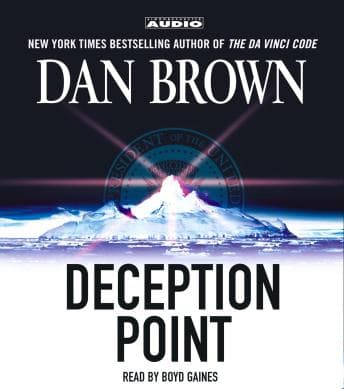

Ever wonder if a narrator can ruin a perfectly good conspiracy theory just by breathing? I wish I was asking metaphorically.
I was in the back room of the library, repairing the spine on a beat-up copy of Dracula—a task that requires absolute focus and, usually, silence. I figured Dan Brown's Arctic thriller would be the perfect companion. High stakes, cold isolation, NASA secrets. It's not the supernatural dread I usually feed my soul, but hey, political horror is its own kind of monster.
The Ice Shelf is Cold, but the Mic is Too Hot
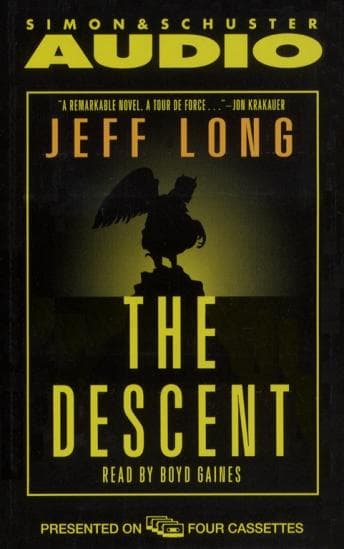
Let's rip the bandage off immediately: Boyd Gaines has a voice like expensive scotch. Deep, authoritative, hitting that "news anchor telling you the world is ending" tone perfectly. When he's voicing the charismatic Michael Tolland or the sharp-edged Rachel Sexton, he creates genuine class divide and intellectual weight that works. The man has two Tony Awards. He knows how to act.
His range is genuinely impressive—I noticed the same commanding presence in his work on Danielle Steel Value Collection: Fine Things, Jewels, Vanished, where the material is softer but the authority in his voice carries the whole thing.But good lord, someone get this man a glass of water. Or take the water away? I can't tell.
The audio engineering here is a crime scene. You hear everything. Every lip smack, every swallow, every breath. It's not just background noise; it's a texture. There were moments during the high-octane escape from the Delta Force team—which should have been pure adrenaline—where I was pulled right out of the Arctic and back into a recording booth with a guy who sounds like he's eating a peach. If you have misophonia, this isn't a thriller; it's torture.
When Chapter Breaks Become Black Holes
Brown knows how to write a page-turner. The plot moves fast—from the discovery of the meteorite in the ice to the submarine rescue, it's designed to be a sprint. But the editing fights the writing. There are these bizarre, cavernous pauses between chapters. Long enough that I stopped gluing the book binding, checked my phone, and wondered if the app had crashed. It kills the momentum dead. You're fleeing assassins on an ice shelf, heart pounding, and then... silence. For five seconds. Jarring doesn't cover it.
Who Gets Left Out in the Cold
If you're sound-sensitive, skip this one entirely—the mouth noises will drive you up a wall. Fans of Brown's signature science-meets-politics formula who can tolerate rough production might still find it worthwhile, but honestly? You'd be better off with the paperback.
Closing the Book (Carefully)
It's frustrating because the story actually holds up. The mix of science and politics is classic Brown, and the twist—while a bit "poetry of the improbable"—lands well enough if you suspend your disbelief. But I can't recommend you spend a credit on a production that sounds this unpolished. It feels like a draft that needed one more pass through the soundboard.
Brown's plotting is solid enough that the story survives the damage—Inferno: A Novel is where his particular brand of breathless conspiracy hits closer to the standard his fans are actually chasing.My cat Shirley slept through the whole thing, unbothered. But she licks her own fur for a living, so maybe she just felt a kinship with the mouth noises. I, however, need my horror—and my thrillers—to be a little less... moist.