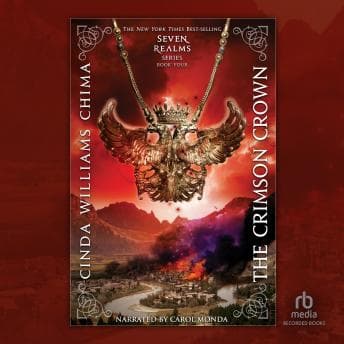

Seventeen hours is a commitment. And look, I'll be honest—I came to this series late, binged the first three books in a fog of late-night library shifts and too much coffee, and arrived at The Crimson Crown already emotionally compromised. Shirley (my cat, not Jackson, though the woman haunts me always) had claimed my lap, the apartment was dark except for my phone screen, and I was ready for Chima to either break my heart or stick the landing.
She did both. Obviously.
A Thousand Years of Lies Finally Unraveling
Here's what fantasy series finales usually get wrong: they rush. Four books of careful worldbuilding, political intrigue, slow-burn romance—and then suddenly everything resolves in a convenient battle and a wedding. Chima doesn't do that. The Crimson Crown takes its time with the revelation that's been brewing since book one, and when that thousand-year-old secret finally surfaces? It earns every single page that came before it.
Han Alister navigating wizard politics while being actively despised by basically everyone is the tension I live for. This is a streetlord playing chess with bluebloods who want him dead, and Chima never lets you forget how precarious his position is. Way of Kings builds that same kind of tension—watching characters navigate impossible political landscapes where one misstep means death. The Wizard Council scenes had me holding my breath. Not because of magic battles, but because one wrong word could end him. That's the good stuff.
And Raisa. Finally, a young queen who acts like ruling is actually hard. The tension between her heart and her crown isn't melodrama—it's the genuine impossible math of leadership. She can't have what she wants. She might not survive what she needs. Chima understands that horror isn't always monsters. Sometimes it's being trapped by your own responsibilities. That weight of duty crushing personal desire—I saw it handled differently but just as effectively in Battlefield Earth, where survival itself becomes the responsibility that shapes every choice.
Carol Monda's Quiet Commitment
So about that narration. People complain it's too quiet. And yeah, I had to bump my volume up a notch or two—but here's the thing. Monda's restraint works for this material. She's not performing at you. She's telling you a story, and there's a difference.
Four books in, Monda knows these characters. Her Han has this edge to him, this street-sharp wariness that never quite softens even when he's with Raisa. Her court wizards drip with the particular brand of aristocratic contempt that makes you want to throw things. It's not flashy voice work—no dramatic accent shifts or theatrical flourishes—but it's consistent. Reliable. After seventeen hours, you're grateful for a narrator who doesn't exhaust you.
The quietness actually enhanced certain scenes for me. There's something about hearing political betrayal delivered in measured, almost intimate tones that makes it land harder than shouting would. My podcast listeners know I'm picky about narrator commitment—Monda commits. Just not loudly.
Who Needs This (And Who Should Walk Away)
If you haven't read the first three books, stop. Go back. This isn't a standalone and it won't pretend to be. The emotional payoff requires the investment.
If you're looking for fast-paced action fantasy—this isn't it. The Crimson Crown is political, romantic, and deliberately paced. It's court intrigue with magic, not magic with court intrigue. There's violence, yes, and it matters when it happens. But this is a book about power, love, and the lies we tell to protect both.
Content-wise: violence that serves the story, language that fits the world, and romantic content that's present but not gratuitous. Standard YA-to-adult crossover territory.
If you loved the slow burn between Han and Raisa, if you've been waiting for the political threads to finally snap, if you want a fantasy finale that respects your intelligence—you need this. Skip it if you want your fantasy loud and fast, or if political maneuvering bores you.
Shirley Jackson Would Approve
Not of the romance, probably. But of the dread. Chima understands something that a lot of fantasy authors miss: the scariest thing isn't the villain. It's watching characters you love make choices that might destroy them, and being powerless to stop it.
I finished at 2 AM. Shirley (the cat) was asleep. The apartment was silent. And I just sat there for a while, processing.
That's what a good series finale does. It doesn't just end the story—it makes you feel the weight of everything that came before. The Crimson Crown carries that weight. Finally, fantasy that respects the genre.