
The protagonist exhibits classic obsessive-compulsive patterns. That's what I kept thinking as I listened to Alex Delaware work through another case, stirring dal on the stove at 10 PM because I'd forgotten to eat again. There's something almost therapeutic about listening to a fictional psychologist untangle criminal minds while you're trying to remember if you added salt.
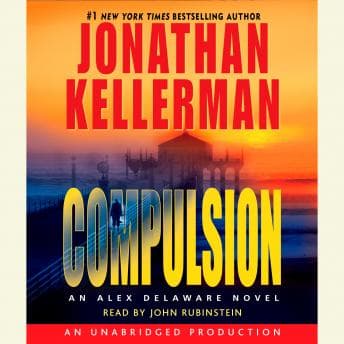
Here's the thing about Compulsion - it's the 22nd Alex Delaware novel, and Kellerman knows exactly what he's doing. Maybe too well. The setup is genuinely intriguing: a string of seemingly unconnected crimes linked only by luxury vehicles and an absolute void where motive should be. A woman vanishes from a desolate highway. A retired teacher stabbed in daylight. Two women killed in a beauty parlor after hours. My research brain immediately started cataloging: organized killer, possibly narcissistic personality features, the luxury cars suggesting status preoccupation...
But then the plot started branching. And branching. And branching some more.
When the Case File Gets Too Thick
Psychologically, I understand what Kellerman was attempting. Real investigations are messy. Real criminal minds don't follow neat narrative arcs. The problem is that fiction operates under different rules than reality - we need the mess to eventually cohere into meaning. Here, the subplots multiply like cells under a microscope, and not all of them earn their existence.
We're chasing leads from L.A.'s wealthy enclaves to its desperate margins, interviewing commodities brokers and sex workers, flying to New York to thaw out a cold case. It's ambitious. It's also, at times, exhausting. I found myself rewinding sections while the dal threatened to burn, trying to remember which thread we were following now.
The payoff at the end? Less satisfying than the buildup promised. The "shape-shifter" killer reveal felt like the answer to a puzzle I'd stopped trying to solve three hours earlier.
The Delaware-Sturgis Dynamic
The interplay between Alex and Milo. Full stop. This is a fascinating case study in how long-running fictional partnerships sustain reader investment. Delaware and Sturgis have developed the kind of shorthand that only comes from years of collaboration - the unspoken communication, the complementary skills, the genuine affection underneath the professional dynamic.
Rubinstein understands this relationship intimately. His Alex is measured, analytical, with that slight edge of someone who's seen too much darkness to be truly comfortable anywhere. His Milo is gruffer, more direct, but with surprising emotional depth. The contrast between them creates instant characterization - you know who's speaking before the dialogue tags confirm it.
And there's an emotional coda involving Alex and Robin that actually landed for me. Kellerman writes their relationship with the kind of specificity that suggests he understands how love functions under the weight of proximity to violence. My therapist would have thoughts about this character dynamic, honestly. About how Alex keeps returning to work that damages him. About what that says about attachment patterns formed in childhood.
Rubinstein Carries More Than His Share
John Rubinstein is doing heavy lifting here. His voice work across the character range - from wealthy socialites to desperate witnesses to the detectives themselves - demonstrates genuine craft. He moves the story at a pace that maintains tension even when the plot threatens to lose itself. The suspense sequences work because of his delivery. The humor (yes, there's humor, dark and dry) lands because of his timing. Locked On had a similar dynamic where the narrator's pacing kept me engaged through dense technical sequences.
If this were a mediocre narration, Compulsion would drag significantly more than it does. Rubinstein's performance elevates material that occasionally sags under its own complexity.
Who Should Listen (And Who Should Skip)
If you're already invested in the Delaware series, this is worth your time. The character relationships provide continuity rewards that standalone listeners won't access. If you're new to Kellerman, this isn't your entry point - the convoluted plot will frustrate rather than intrigue.
This is focused listening territory. Don't put this on during a workout or while doing anything requiring attention. The plot complexity demands engagement, and the payoff requires you to have followed the threads. I had the same experience with Summons - rewarding if you stay focused, frustrating if you zone out.
Strong Premise, Overstuffed Execution
Some listeners found this installment mediocre compared to other series entries. Having analyzed the pattern, I think the issue is structural rather than conceptual. Kellerman's premise is strong - a killer using luxury vehicles, defying identification, leaving behind dazed witnesses. The execution gets lost in its own ambition.
But here's what I kept coming back to, scraping the last of the dal from the pot: the psychology of the killer, when finally revealed, does track. The motivations, the pathology, the escalation pattern - Kellerman understands how these minds work. He just buried that understanding under too many subplots.
Worth a credit if you're a series devotee. For everyone else, maybe wait for a sale.