
How many times can a fictional psychologist walk into a crime scene before you start wondering if he's the common denominator?
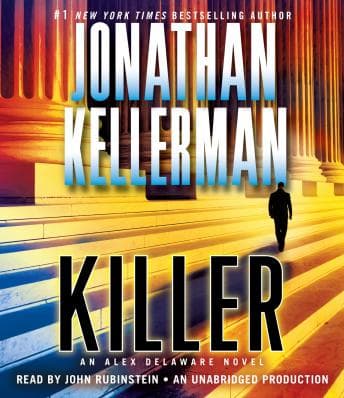
I'm kidding. Mostly. But twenty-nine books into the Alex Delaware series, that's the kind of thing your brain does at 4 AM when you're folding laundry because your body clock is permanently wrecked and sleep is a suggestion, not a guarantee. I picked up Killer because I needed something steady - something with a rhythm I could predict - after a week of shifts that left me questioning humanity's commitment to staying alive. Kellerman's Delaware books are like that nurse on your unit who's been there since the hospital opened: reliable, competent, occasionally surprising, never going to let you down when it counts.
When the Custody Evaluation Goes Sideways (Way Sideways)
Here's what Kellerman gets right that most thriller writers don't even attempt: the bureaucratic nightmare of family court intersecting with real danger. Alex gets pulled into a custody dispute between two sisters - Constance Sykes, a physician who seems polished and put-together, and her sister - and what starts as professional obligation spirals into something genuinely dark. The medical details are accurate. Finally. Constance is written like an actual physician, not a TV version of one. The way she wields her credentials, the subtle condescension toward anyone outside medicine - I've worked with that doctor. We've all worked with that doctor.
The custody dispute framework is smart because it gives Alex a reason to be embedded in this family's dysfunction before things turn lethal. And when they do turn, it's not a sudden explosion. It's a slow poison. People start dying, the little girl at the center of it all disappears, and Alex realizes he's been reading people wrong. For a psychologist character, that's the scariest thing Kellerman could do to him - take away his confidence in his own judgment.
The Alex-and-Milo dynamic remains the backbone of this series, and it holds up. Their shorthand, the way Milo's gruffness covers genuine care, the quiet moments between crime scenes where they're just two tired guys eating bad takeout - that's where Kellerman earns his keep. There are flashbacks to Alex's earlier career that actually add context instead of feeling like padding. You get a sense of how this man's professional past haunts his present assessments, which matters when a child's safety is on the line.
Rubinstein Behind the Wheel (Literally, He Drove My Commute)
John Rubinstein has been voicing Alex Delaware for so long that separating the character from the narrator feels impossible. His Alex is measured, observant - you hear a man processing everything before he speaks. His Milo is gruffer, looser, and Rubinstein shifts between them with the ease of someone who's lived inside these characters for decades. The male voices across the board are distinct and well-realized. I could tell the Hollywood washouts from the attorneys from the gangbangers without the dialogue tags.
Now. The female voices. I have to be honest because I'm not going to pretend. Some of them land in this register that's more caricature than character. Constance Sykes deserved a voice that communicated cold intelligence, and what I got was closer to generic "educated woman" voice that didn't quite capture the menace on the page. It's not a dealbreaker - Rubinstein's strengths far outweigh this - but when your female antagonist is the engine of the whole plot, her voice needs to unsettle you, and it didn't quite get there for me.
Pacing-wise, this is a focused listen but not a fast one. Kellerman builds methodically. If you want relentless action, this isn't it. If you want the slow accumulation of psychological dread where you're piecing together who's capable of what - that's exactly what you're getting. Perfect for that post-shift decompression when your brain is too wired for sleep but too tired for anything demanding.
Who This Is For (And Who Should Keep Scrolling)
If you're already in the Delaware universe, you don't need me to tell you to listen. You're going to anyway. Rubinstein is the definitive voice, and this entry is stronger than some of the mid-series installments. If you're new to the series, you can start here - it's self-contained enough - but you'll miss the accumulated weight of the Alex-Milo relationship.
If you work in healthcare, family services, or anything adjacent to custody disputes, you'll appreciate that Kellerman doesn't sugarcoat the system. The self-serving jurists, the way children become bargaining chips, the professionals who should protect kids but protect their own careers instead - this is not how hospitals work (trust me, some of the ER scenes are a little too clean), but the institutional dysfunction? That rings true. The same machinery of institutional failure - systems that exist to protect the vulnerable grinding them up instead - shows up in These Vengeful Hearts, though that one swaps custody courts for high school hierarchies and lands considerably lighter.
Skip this if slow-burn procedurals make you impatient. And maybe skip if female character voices in audiobooks are a deal-sensitive issue for you.
Night Shift Prescription
I finished this one pulling into my driveway, engine idling, needing to hear how the last twenty minutes played out before I went inside and started the rice cooker. Carlos found me in the car and thought I was on the phone. Nope. Just a middle-aged Filipina woman sitting in a Honda, completely absorbed in a custody dispute turned murder investigation at 7:45 AM. Night shift approved. Solid Kellerman, solid Rubinstein, a story that trusts you to pay attention and rewards you when you do.