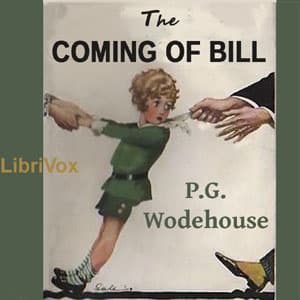

Early Wodehouse is a different animal than the Jeeves and Wooster material everyone knows. I'm talking 1914 here—the year before Jeeves first appeared in print—and you can feel Wodehouse still figuring out what kind of writer he wants to be.
I finished this one last Tuesday around midnight, grading sophomore essays on The Great Gatsby while Denise slept. There's something fitting about pairing student papers on the American Dream with a novel about a bohemian artist who marries into New York money and watches his principles erode. Kirk Winfield would've understood Gatsby's problem, I think. Though Kirk's tragedy is quieter. More domestic. More real, honestly.
The Wodehouse Nobody Talks About
Here's what caught me off guard: this book has actual emotional weight. Kirk starts as a painter living in a Greenwich Village studio, genuinely happy with his modest life and his boxing hobby. Then he marries Ruth Bannister—old money, good intentions, zero understanding of why anyone would choose simplicity over comfort. The marriage doesn't fail spectacularly. It just... shifts. That slow erosion of identity—watching someone become unrecognizable through a thousand small compromises—is what Homegoing explores across generations, though Gyasi traces it through family legacy rather than marriage. Ruth's instincts pull them toward wealth and social climbing. Kirk's resistance weakens. By the time their son Bill arrives, Kirk has become exactly the kind of man he once pitied.
And then there's Mrs. Lora Delane Porter.
Wodehouse created some magnificent comic antagonists, but Lora Delane Porter might be his most insidiously realistic one. She's Ruth's aunt, a bestselling author of pseudo-scientific child-rearing books, and she descends upon baby Bill like a well-meaning plague. Every feeding schedule, every germ-prevention protocol, every moment of the child's life becomes her experiment. The satire here isn't the broad farce of later Wodehouse—it's pointed social criticism dressed in comedy. (My students would hate this. I love it.)
Don W. Jenkins and the Art of Holding Back
Jenkins approaches this material with appropriate reserve. No vocal pyrotechnics, no character voices that call attention to themselves. For a Wodehouse novel that's more melancholy than madcap, this works. The prose deserves to be savored, and Jenkins lets Wodehouse's sentences breathe.
That said, I found myself wishing for more differentiation between Kirk's early bohemian enthusiasm and his later defeated resignation. The transformation is there in the text, but Jenkins reads both versions of Kirk with similar energy. It's competent work—nothing that pulled me out of the story—but nothing that elevated it either. At eight hours, the steady pace occasionally felt like it needed a gear shift that never quite came.
The Iceberg Under the Comedy
This reminds me of what Hemingway said about writing—that the dignity of movement of an iceberg is due to only one-eighth of it being above water. Wodehouse buries his serious themes under comedy here, but they're substantial. The novel asks uncomfortable questions about marriage, about compromise, about whether love survives the slow accumulation of small surrenders.
Ruth isn't a villain. That's what makes this hard. She genuinely believes she's improving Kirk's life, giving Bill advantages, building something better. Kirk's artistic integrity and his son's robust childhood get sacrificed not to malice but to good intentions and social pressure. If you've ever watched a friend slowly become someone they wouldn't have recognized ten years earlier—spouse's influence, career demands, whatever—you know this story.
The boxing subplot provides both comic relief and thematic counterweight. Kirk's friendship with Steve Doyle, a professional fighter, represents everything his new life has cost him. When the narrative returns to the ring in the final act, it's not just plot mechanics. It's resurrection.
Worth Pausing the Faculty Meeting For?
Let me be honest about what this isn't: it's not peak Wodehouse. If you want the verbal fireworks of Jeeves, the romantic tangles of Blandings Castle, the pure linguistic joy that made him famous—this earlier work won't deliver that. The humor is gentler, the structure more conventional, the ending more sentimental than satirical.
But if you're interested in watching a master craftsman develop his voice, or if you want Wodehouse with actual stakes, this deserves your time. It's a marriage novel disguised as a comedy, a parenting satire with real teeth, and a surprisingly moving story about losing yourself by inches.
Who should listen: Wodehouse completists who want to understand where he came from, and anyone who appreciates comedy with genuine emotional undercurrents. Who should skip: If you're only here for the laughs, know that the comedy-to-pathos ratio runs about 60/40, and that pathos hits harder than you'd expect.
Perfect for evening walks when you want something engaging but not demanding. I'd suggest 1.0x speed because the prose rhythm matters, but 1.15x wouldn't hurt if you're impatient.
Class Dismissed
Principal Martinez, if you're somehow reading audiobook reviews instead of budget reports: this one's about how institutions—families, marriages, social expectations—slowly reshape individuals into compliance. Relevant to faculty meetings, now that I think about it.