
Sophie was actually napping. Like, truly asleep. Not that fake nap where she's quiet for twelve minutes and then screams for crackers. Real nap. And instead of doing laundry or cleaning the mysterious sticky spot on the kitchen floor, I grabbed my headphones and discovered this weird little gem from 1902.
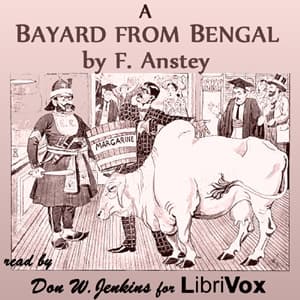
Bayard from Bengal is... okay, I need to explain this. It's Victorian-era satire written by a British humorist pretending to be an Indian gentleman named Chunder Bindabun Bhosh who's pretending to write about his adventures in England. There are layers here. Like an onion, except the onion is wearing a top hat and using phrases like "nubile maiden" unironically.
When Your English Is Too English
The whole joke is that Mr. Bhosh speaks this incredibly formal, almost comically proper English - the kind of English that actual English people don't use. He rescues women from charging bulls. He falls in love approximately seventeen times. He gets into situations that would make a Regency romance blush. And he narrates all of it with the earnest sincerity of a man who learned English from a very specific kind of textbook.
Now here's the thing. This humor is FROM 1902. Some of it lands beautifully - the pomposity, the absurd situations, the way Bhosh takes himself so seriously while doing ridiculous things. Some of it... doesn't age well. You can feel the colonial-era attitudes lurking around the edges. I'm not going to pretend otherwise. It's satire that's punching in multiple directions, and not all those directions feel comfortable from 2024.
But when it works? It's genuinely funny. There's this running thread of Bhosh being absolutely convinced of his own magnificence while everyone around him is clearly baffled. It's like watching a very polite, very formal fish out of water comedy, except the fish has a BA and won't let you forget it.
Two Hours of Delightful Absurdity
At 2 hours and 18 minutes, this is basically perfect mom-listening length. I finished it across two nap times and one school pickup line wait. No character wiki required. No complex plot threads to track. Just a series of comedic adventures that you can pause when someone needs a juice box and pick right back up without confusion.
Don W. Jenkins narrates with the kind of dry humor this material needs. He doesn't oversell the jokes - which, for Victorian comedy, is exactly right. He brings that same restraint to Green Rust, another free LibriVox recording where his pacing carries a lot of the weight. The humor comes from the absurd formality of the language, and Jenkins lets that do the heavy lifting. It's a LibriVox recording, so we're not talking studio production here, but the audio is clean and his pacing is solid.
I will say - and this is minor - I would have loved more vocal distinction between Bhosh and the English characters he encounters. Everyone sounds relatively similar, which occasionally made me rewind to figure out who was speaking. But honestly, for a free audiobook of a 120-year-old satire? I'm not complaining.
Who Gets the Joke (And Who Won't)
If you love Wodehouse, this is like his weird great-uncle. Same DNA of absurd British comedy, but from an earlier, stranger era. If you're a fan of linguistic humor - the kind where the WAY something is said is funnier than what's being said - you'll find gold here. Riding the Elephant scratches a similar itch - Craig Ferguson's whole memoir runs on that same principle of delivery being the entire joke. If you want something light that doesn't require emotional investment or a tissue box, perfect.
Skip it if you need fast pacing, you want something contemporary, or you're not in the mood to contextualize 1902-era cultural attitudes. This is a product of its time, for better and worse.
Survived 47 Pauses and Still Made Sense
I'm giving this a solid 3.5. It made me actually laugh out loud during pickup line, which earned me some looks from the minivan next to me. It's short, it's free on LibriVox, and it's genuinely clever in spots. But it's also niche, dated in places, and not going to be everyone's cup of very formal, very properly-steeped English tea.
Sometimes you don't need groundbreaking. Sometimes you need a Victorian gentleman dramatically rescuing maidens while narrating his own heroism in the third person. That's honestly the highest praise I can give.