
Look, I need to rant about something before we get into this. Why—WHY—does this series have a different narrator for every single book? I've been listening to the Temperance Brennan series for years now, and every time I settle into a voice, the next book throws me a completely different one. It's like showing up to your shift and finding out they've replaced your entire unit. You adjust, sure, but there's that initial "wait, who are you and what have you done with my people" moment.
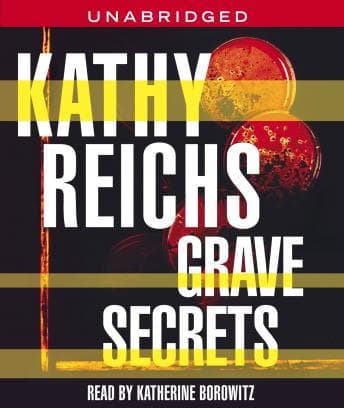
Okay. Deep breath. Katherine Borowitz does a solid job here. She does.
When The Forensics Actually Make Sense
Kathy Reichs is the real deal—actual forensic anthropologist, not someone who watched a few episodes of CSI and called it research. As someone who's actually worked a code and seen what happens when TV medicine meets reality, I appreciate an author who knows what she's talking about. The bone analysis, the decomposition details, the way Tempe processes a crime scene—it tracks. No magical DNA results in twenty minutes. No dramatic "enhance that image" nonsense.
This book brings back Anique Pomerleau, a child killer from earlier in the series, and Reichs doesn't shy away from the psychological weight of that. Tempe and Ryan failed to catch her before. Kids died. That kind of professional guilt? I get it. We carry our losses in healthcare too. The ones that got away from us. The ones we couldn't save. That same weight of carrying impossible losses shows up in Holes, where the past never really lets go of the characters. Reichs understands that trauma doesn't just disappear because you got a new case.
Borowitz Gets The Job Done
Katherine Borowitz gives each character a distinct enough voice that you're never confused about who's talking. Tempe sounds appropriately tired and determined. The cops sound like cops—that particular blend of dark humor and professional detachment. Ryan, the bitter ex-partner Tempe has to drag back into the case, comes across with just enough emotional distance that you feel the history between them without Borowitz hitting you over the head with it.
The conversational tone works for this material. It's not overly dramatic, which I appreciate. Nothing worse than a narrator who treats every sentence like it's the climax of the book. Borowitz keeps things at a moderate pace—fast enough to maintain tension, slow enough that you can actually process the forensic details without rewinding.
That said, if you've been listening to this series with different narrators, there's going to be that adjustment period. My brain kept wanting to hear the voice from whatever book I listened to last. Not Borowitz's fault, but it's a real thing.
The Case Itself (No Spoilers, I Promise)
Child murder cases hit different when you work in healthcare. I've seen kids come through the trauma center. I've seen what happens to families. So when a thriller tackles this subject matter, it better do it with some respect, and Reichs does. She doesn't sensationalize. She doesn't linger on violence for shock value. The horror is in the details—the cold, clinical evidence that tells you exactly what happened without needing graphic descriptions.
The jurisdictional drama between local cops and feds feels authentic too. That territorial nonsense happens in hospitals all the time—different departments fighting over who has authority, who gets credit, who's in charge. Tempe has to navigate all of that while trying to actually catch a killer. Frustrating in a realistic way.
The pacing works. I listened to most of this on my drives home from night shift—45 minutes at a time—and each chunk left me wanting to know what happened next. Not in a cliffhanger-every-chapter manipulation way, but in a genuine "okay, now I need to know how this connects" way.
Who This Is For (And Who Should Skip)
If you're already invested in the Brennan series, this is one of the stronger entries. The Pomerleau connection gives it emotional weight that some of the standalone cases lack. If you're new to the series, you could probably follow along, but you'd miss the history between Tempe and Ryan that makes their dynamic work.
Skip this if you need non-stop action. It's forensic investigation, not car chases. Tempe thinks her way through cases. She examines bones. She cross-references evidence. If that sounds boring to you, this isn't your book.
Content warning: child murder is central to the plot. It's handled respectfully, but it's there. Also violence and language, though nothing that shocked me (and I've heard some things in the trauma bay that would make a sailor blush).
Night Shift Approved
Carlos asked why I was sitting in the driveway for an extra ten minutes after my shift ended. I told him I was decompressing. Really I was waiting to hear how a particular evidence thread resolved. The medical details are accurate. Finally. The narrator does her job well. The story kept me engaged through those brutal 3 AM to 7 AM stretches when even coffee stops working.
Worth your time if you like forensic thrillers that respect your intelligence. Just accept that you're getting a new narrator and move on. We adapt. That's what we do.