
What happens when you pit a gentleman thief against a detective who is legally distinct from Sherlock Holmes — and then make the thief the hero?
I was stirring a pot of dal makhani at 10 PM on a Wednesday (yes, I cook elaborate meals for one, yes, I'm fine) when Arsène Lupin decided to absolutely dismantle poor Herlock Sholmes's ego for the third time in twenty minutes. I laughed so hard I nearly ruined the tempering. This book is ridiculous in the best possible way — and also in some genuinely frustrating ways that we need to talk about.
The Psychology of the Lovable Sociopath
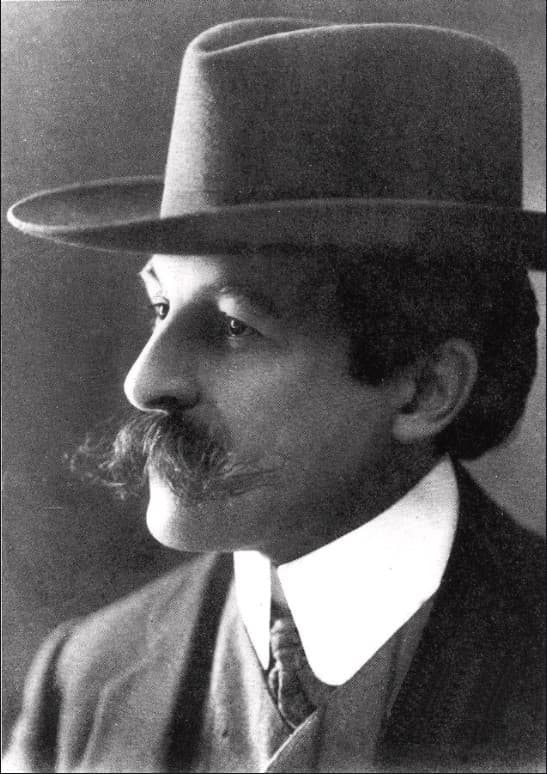
Let me be upfront: Arsène Lupin is a fascinating case study in narcissistic charm. Maurice Leblanc, writing in 1906-1907, essentially created the template for every "charming rogue" character we've seen since — from Catch Me If You Can to BBC's Sherlock (ironic, given the copyright drama). What makes Lupin compelling is that Leblanc gives him genuine warmth alongside his criminal scheming. He's not just clever. He's delighted by his own cleverness, and somehow that delight is infectious rather than insufferable.
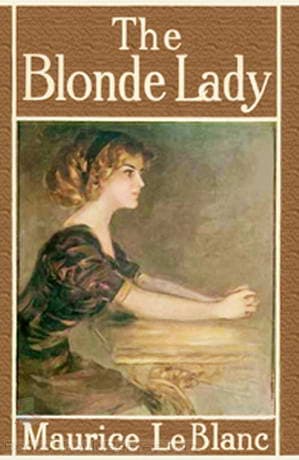
The "Blonde Lady" of the title functions as a mystery within a mystery — Lupin's romantic entanglements become indistinguishable from his cons, and I found myself asking: does Lupin even know where the performance ends and the person begins? That's psychologically rich territory. The protagonist exhibits classic compartmentalization — he genuinely believes he's moral while robbing people blind, because he's constructed an identity narrative where his intelligence justifies everything.
But here's the problem. Everyone around Lupin is written as basically incompetent. The research actually shows this is a common complaint, and I felt it hard. Herlock Sholmes (and yes, we just have to live with that name — Conan Doyle's lawyers were apparently not playing around) is rendered short-tempered, easily exasperated, and frankly kind of dim. The supporting characters snap at each other, miss obvious clues, and exist primarily to make Lupin look brilliant by contrast. Psychologically, this doesn't track. You can't sell me a "duel of wits between great intellects" when only one intellect shows up to the duel.
It's the equivalent of watching a chess match where one player keeps forgetting how the knight moves. Lupin wins, sure. But what did he really win?
Two Stories Stitched Together (You Can Feel the Seams)
The book is actually two serialized stories published together — and at 6 hours 45 minutes, you can feel the structural join between them. The first story has more momentum; the second one wanders. The pacing is uneven in that very specific way serialized fiction tends to be — each original chapter needed its own mini-cliffhanger, so you get these rhythmic spikes of tension followed by exposition dumps where characters explain what just happened. To each other. At length.
I'd honestly recommend 1.25x speed, especially through the middle sections where the plot mechanics are doing heavy lifting but the character work slows down. The final acts of both stories pick up considerably — Leblanc knew how to stick a landing even when the middle sagged.
As for the narration: I genuinely don't have enough information to give a proper assessment. The narrator isn't credited in my version, and the research came up thin on performance specifics. Uncredited narrators are oddly common in public domain audiobooks, and I ran into the exact same guessing game with Alice's Abenteuer im Wunderland. Both leave you piecing together the performer's identity from the voice alone. What I can say is that this is a single-narrator production handling a cast that includes French characters, an English detective, and various Parisian society figures — that's a lot of vocal heavy lifting. The production is clean but spare. No sound effects, no music. Just voice and story.
Who This Is Really For
If you're a Lupin fan from the Netflix show or the manga and you want the OG source material — this is it. And if you want to see where the mythology actually starts, Arsène Lupin, gentleman-cambrioleur is the original Leblanc collection that launched the character — I found it a tighter, more focused showcase of the charm that made him stick. But adjust your expectations. This is 1908 French pulp fiction, and it reads like it. The gender politics are... of their time (my therapist would have thoughts about how the "Blonde Lady" is essentially a plot device with hair). The humor is broad. The detective work is more theatrical than procedural.
If flat supporting characters genuinely bother you — and they bother me, I'm not going to pretend otherwise — you'll find yourself frustrated. But if you can enjoy Lupin as a character study in charismatic self-deception, there's real pleasure here. The man is basically a narcissist who weaponized whimsy, and Leblanc writes him with such obvious affection that you can't help going along for the ride.
Skip this if you want a fair fight between rivals. Pick it up if you want to watch a magician perform and don't mind that the audience is full of plants.
My Case Notes
Three stars. Lupin himself is genuinely worth your time — the character psychology holds up over a century later, which is remarkable. But the book around him hasn't aged as gracefully. The lopsided "rivalry," the decorative female characters, the uneven pacing of stitched-together serials — it's a product of its era in ways that are hard to ignore. At under seven hours, it's a reasonable commitment, and it's free in most public domain collections. Borrow it, stream it, listen while you cook something complicated. Just don't expect Sholmes to put up much of a fight.