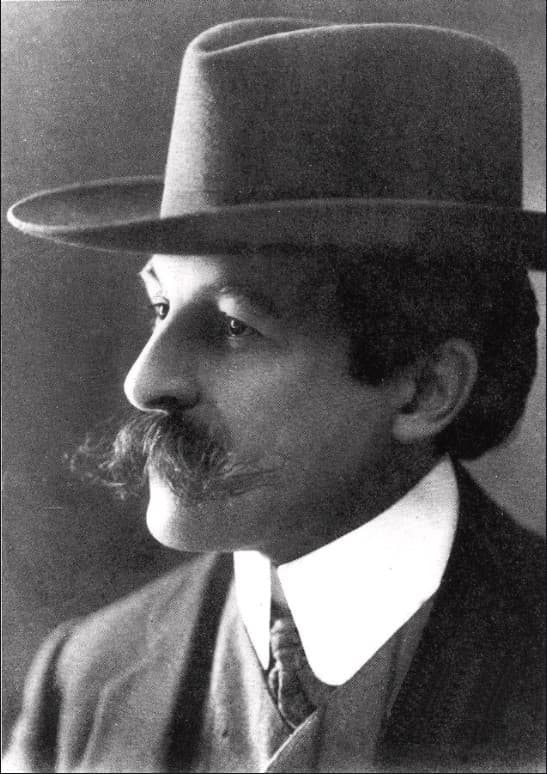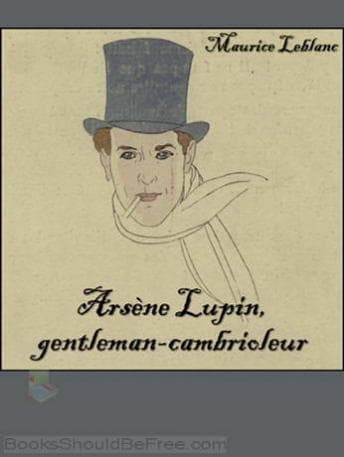

My students think Arsène Lupin was invented by Netflix two years ago. I tried to explain that Maurice Leblanc was writing these stories while their great-great-grandparents were still figuring out how to use a telegraph, but I just got that collective eye-roll that usually implies I belong in a museum. (Honestly? They might be right.)
So, mostly to prove a point—and partly because grading 10th-grade essays on The Great Gatsby was making my eyes bleed—I decided to revisit the original Gentleman Burglar. In French. Because apparently, I like to torture myself with conjugation while I walk the dog.
Sherlock Holmes with a Moral Compass Problem
Here's the thing about Lupin: he's fun. Like, genuinely fun. If you're used to modern crime thrillers where everyone is depressed and it rains constantly, this is a palate cleanser. Leblanc wasn't trying to be gritty. He was writing a chess match where one side is cheating and smiling about it.
It's basically the anti-Sherlock Holmes. Instead of the brilliant detective catching the criminal, you're rooting for the brilliant criminal to make the detective look like an idiot. And he does. Repeatedly. There's a charm to the writing that feels very... 1905. It's polite. It's witty. It's the kind of crime that happens while wearing a tuxedo. That same gentleman-thief energy—minus the tuxedo—shows up in Great Train Robbery, though with significantly more locomotives and significantly less French.
Christian Martin Behind the Mic
Okay, let's talk about Christian Martin. I couldn't find a ton of info on his background, but this feels like a classic LibriVox-style recording. If you're looking for a full-cast audio drama with sound effects and people screaming in agony, this isn't it. Martin is... steady. Very steady.
Some might call it monotone. My wife Denise heard a snippet while we were driving and asked if I was listening to a GPS read a novel. But here's the upside: the enunciation is crystal clear. If you're like me—someone whose French is "confident intermediate" on a good day and "confused tourist" on a bad one—this narration is actually perfect. He doesn't rush. He doesn't mumble. He pronounces every syllable like it owes him money.
Does it lack emotional fireworks? Yeah, a bit. But for a classic text where the language itself is the star, I didn't mind. It felt like having a very patient French tutor reading to me.
Who's Going to Love This (And Who Should Skip)
If you're expecting the high-octane pace of the TV show, you're going to be bored. This is a slow burn. It's episodic. Meant to be sipped, not chugged.
But there's something incredibly satisfying about the low stakes of it all. No one is getting dismembered. The world isn't ending. Just some rich people losing their jewelry to a guy who is smarter than them. I listened to most of this while grading vocabulary quizzes, and it was the perfect background companion—smart enough to keep you engaged, but calm enough that you don't accidentally mark a correct answer wrong because you jumped at a sound effect.
Listen if: You're a Francophile, a history buff, or someone who wants to practice French with clear, patient narration. Skip if: You need Netflix-level action or dramatic voice acting to stay awake.
Class Dismissed
For the Francophiles and the history buffs, it's a gem. For everyone else? Maybe stick to the subtitles on Netflix. But personally? I'm keeping this one in the rotation.