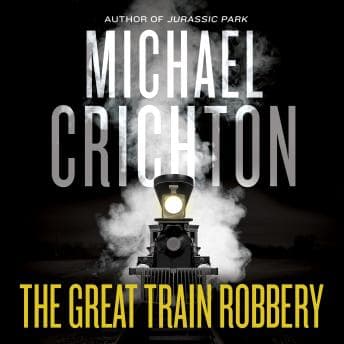

What makes a heist story work? Is it the meticulous planning, the tension of execution, or the sheer audacity of criminals who think they're smarter than everyone else? I've been chewing on this question since I finished The Great Train Robbery, and honestly - Crichton understood something about the genre that most writers miss.
This isn't horror, obviously. But stick with me here. The best heist stories operate on the same principle as the best horror: dread. That slow, creeping awareness that something is coming, that every piece is moving into place, and you're powerless to stop it. Crichton gets this. Edward Pierce isn't a monster lurking in shadows, but he might as well be - charming his way through Victorian high society while orchestrating what would become one of the most infamous crimes of the era.
Victorian London as a Character
I listened to most of this during late-night shifts at the library. Empty stacks, dim lighting, just me and Michael Kitchen's voice painting 1850s London in my ears. And look - some people are going to find the historical detail excessive. I've seen the complaints. "Too many tangents," "feels like a history lecture."
They're not wrong, exactly. Crichton does go deep on Victorian society, the class system, the emerging railway industry, the state of forensic science (or lack thereof). But here's the thing - that's the point. The heist works BECAUSE of the era's specific blind spots. Pierce exploits a society that can't imagine a gentleman as a criminal. The historical context isn't padding; it's the foundation of the entire scheme.
Shirley (my cat) was unimpressed by my excitement over the sections about early key-making techniques. But I was genuinely fascinated. Crichton treats the research like part of the thriller, and if you're into that - if you want to understand HOW and WHY, not just WHAT - this is your book.
Michael Kitchen Understands the Assignment
I couldn't find a ton of background on Kitchen's approach to this specific recording, but based on what I heard? The man commits. That's rare.
He doesn't oversell it. Victorian England requires a certain restraint - you can't go full melodrama with these characters because they wouldn't. Pierce is calculating, controlled, always three moves ahead. Kitchen captures that cold intelligence without making him robotic. There's a slyness underneath, a hint that Pierce is enjoying himself tremendously while maintaining perfect composure.
The pacing is deliberate. Some listeners wanted faster, and I get it - we're conditioned for quick cuts and constant action. But Kitchen matches Crichton's tempo, and it works. The suspense builds properly. When the actual robbery happens, you've been waiting for it, anticipating every potential failure point because you understand the plan as well as Pierce does. That same slow-build tension—where understanding the mechanics makes the payoff hit harder—is what makes Gone Girl so effective at its reveals.
One thing I noticed: Kitchen handles the period dialogue without making it feel like a costume drama. The Victorian speech patterns sound natural, not affected. That's harder than it sounds.
The Slow Burn That Pays Off
Okay, real talk. This is not a fast-paced thriller. If you're expecting Ocean's Eleven energy, you're going to be disappointed. The first several hours are setup - introducing Pierce, establishing the target, showing how he recruits his crew and gathers intelligence.
I loved it. But I also love slow horror, atmospheric dread, stories that trust you to stay engaged without constant stimulation. If you're the type who needs action every chapter, this might test your patience.
The payoff, though? Worth it. The actual robbery sequence is genuinely tense, and it hits harder because you've invested in understanding every moving part. You know what can go wrong. You know how narrow the margins are.
Crichton does something clever here - he frames the whole thing as a historical account, complete with trial testimony and period sources. It blurs the line between fiction and fact in a way that makes the story feel more real, more consequential.
Who Should Listen (And Who Should Skip)
This is perfect for long commutes or any situation where you can give it sustained attention. Don't try to listen in five-minute chunks; you'll lose the thread.
If you're a Crichton fan from Jurassic Park or The Andromeda Strain, this is different - less sci-fi speculation, more historical immersion - but the meticulous research and attention to technical detail is absolutely there.
My podcast listeners who appreciate slow-burn horror will probably dig this. Same energy, different genre. The patience required is similar.
Skip if you want pure escapist entertainment or if extensive historical context makes you zone out. No judgment - we all have our reading moods. This one demands a specific headspace.
I finished the last chapter around 2 AM, sitting in the dark (old habits), and found myself genuinely impressed. Not scared, obviously. But that same satisfied feeling I get from horror that respects the genre - Crichton respects the heist genre here. He understands that the planning IS the story, that anticipation IS the thrill.
Historical fiction that doesn't feel like homework. Kitchen's narration elevates already solid material. I'm adding this to my "recommend to people who think they don't like historical fiction" list.