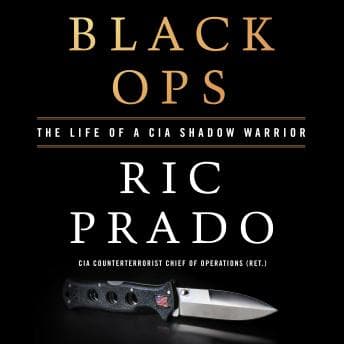

I was reviewing a pitch deck at 1 AM—some SaaS startup convinced they'd cracked the enterprise sales code—when I needed something to keep me awake. Grabbed this because, honestly, I've sat in enough boardrooms with ex-military consultants to know their stories are usually better than their PowerPoints. Ric Prado's story? It's the real deal.
Here's the thing about CIA memoirs: most are either so redacted they read like Mad Libs, or so self-congratulatory you want to check if the author's mother was the editor. Prado walks a surprisingly effective line. The guy's first firefight was at age seven during the Castro Revolution. That kind of early exposure to institutional power—and its consequences—reminded me of the factory girls in Radium Girls, who also learned young that the system doesn't always protect you. By the time he's co-founding the Bin Laden Task Force in 1995—six years before most Americans knew that name—you realize this isn't some desk jockey's memoir.
The Immigrant Hustle, CIA Edition
What got me was the trajectory. Cuban refugee family arrives in America, kid works his way up to the CIA equivalent of a two-star general. My parents pressed shirts for 14 hours a day in Koreatown. Prado was running covert ops in hostile nations. Different paths, same immigrant math: work harder than everyone else, prove you belong, never forget where you came from.
The book moves through Cold War operations in Central and South America, the Philippines, then pivots to counterterrorism. Some listeners called it "superficial and partisan"—and look, I get it. Prado's not writing a balanced policy analysis. He's telling his war stories. If you want nuanced geopolitical critique, read a think tank white paper. If you want to understand what it actually felt like to re-establish a CIA station inside a hostile nation, this delivers.
Scott Brick Knows His Lane
Scott Brick narrating adventure and thriller content is like McKinsey taking on a restructuring project—it's exactly what they're built for. The guy's a Golden Voice for a reason. His delivery matches Prado's no-nonsense prose without overdramatizing the already dramatic material. There's a restraint there that works. When you're describing actual operations, actual danger, you don't need a narrator hamming it up.
At 12 hours and 40 minutes, this is a commitment. I ran it at 1.75x—my usual 2.0x felt too fast for some of the operational details. The pacing drags in spots, particularly the headquarters politics sections. The Langley bureaucracy passages are where my attention wandered.
Where It Falls Short
Let me be direct: this book has blind spots. Prado's a true believer, and true believers don't always make the most reliable narrators of their own institutions. The "shadow wars" framing asks you to accept a lot on faith. I've seen this pattern in corporate memoirs too—the executive who can't quite see the systemic issues because they were too busy succeeding within the system.
But here's my counterpoint: I've also seen enough failed startups run by founders who thought they were smarter than everyone who came before them. Sometimes the people who actually did the work have insights the critics don't. Same reason 48 Laws of Power works—Greene compiled observations from people who actually wielded power, not from people theorizing about it. Prado's operational experience is undeniable. Whether you agree with the missions is a separate question from whether you can learn from how they were executed.
Who Gets Value Here (And Who Doesn't)
If you're interested in how intelligence operations actually work—not the Hollywood version, not the policy debate version, but the on-the-ground reality—this is worth your time. Military history buffs, national security wonks, anyone who's ever wondered what the CIA's Special Activities Group actually does. Also, frankly, anyone who appreciates an immigrant success story that doesn't involve a TED talk or a motivational poster.
Skip this if you want balanced geopolitical analysis. Skip it if you need your memoirs to acknowledge institutional failures. Skip it if 12 hours on covert operations sounds exhausting. Jenny would say I'm being harsh. Jenny is right—but she'd also say I should acknowledge when a book delivers exactly what it promises.
Closing the Deal
Prado did the work. Decades of it, in places most of us will never see, doing things most of us will never fully understand. The book is exactly what it says on the tin: a shadow warrior's memoir. Not a policy critique, not a balanced history, not an apology tour. Just one man's account of a career spent in the gray zones.
Is it the whole truth? Probably not—these things never are. Is it worth 12 hours? If you're the target audience, absolutely. The operational chapters earn their runtime. The bureaucracy chapters? That's where you hit 2.0x.







![Steve Jobs [unabridged audiobook] audiobook cover](/_next/image?url=https%3A%2F%2Fcovers.audiobooks.com%2Fimages%2Fcovers%2Ffull%2F9788499923406.jpg&w=1920&q=75)