
"I am not the person I was supposed to be."
That line hit me somewhere around hour three, and I had to pause my work completely. Just sat there with my stylus hovering over my tablet while Frida gave me that look cats give you when you're being dramatic. But honestly? This book earned every dramatic pause I gave it.
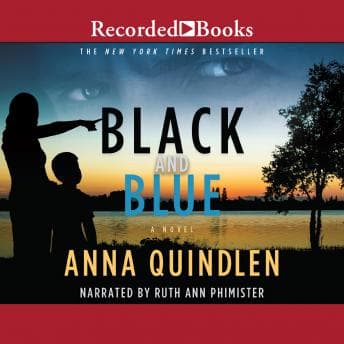
Anna Quindlen wrote this in 1998, and it still feels like it could have been published yesterday. That's not comforting, by the way. That's devastating. The fact that Fran Benedetto's story - a woman married to a cop who beats her, who finally runs with her son to start over in Florida under a fake name - still feels so urgently, painfully relevant? Ugh.
The Weight She Carries in Every Word
Ruth Ann Phimister's narration is... look, it's complicated. Her voice has this warmth to it, almost maternal, which works beautifully for Fran's internal monologue. There's an intimacy there that made me feel like I was sitting across from her at a kitchen table, coffee going cold because neither of us could stop talking about the hard stuff.
But - and I say this with love - the pacing dragged in places. Around the middle section, when Fran is settling into her new life in Florida, I found myself drifting. Not because Quindlen's writing lost me, but because Phimister's gentle, steady delivery didn't quite capture the underlying terror that should have been humming beneath every "normal" moment. Because that's the thing about this book: even when Fran is grocery shopping or helping her son with homework, you never forget that Bobby is out there. Looking.
When Phimister hits the emotional beats though? She nails them. The scenes where Fran remembers the early days of her marriage, when Bobby was charming and she was so young and so sure - my heart. MY HEART. Phimister voices young Fran with this hopeful breathlessness that makes the later brutality hit even harder.
Why This Isn't Just "Another Abuse Story"
I've listened to a lot of books about domestic violence. Some feel like after-school specials. Some feel exploitative. This one feels like truth.
Quindlen doesn't let Fran be a perfect victim. She's complicated. Sometimes frustrating. She makes choices that made me want to shake her, and then immediately I felt guilty for that impulse because - that's the point, isn't it? That's exactly how the people around abuse survivors feel, and that's exactly why so many women stay. Because everyone's waiting for them to be the "right kind" of victim.
The relationship between Fran and her son Robert is where I completely fell apart. This kid, ten years old, trying to understand why they left his dad. Trying to understand why his mom flinches at loud noises. There's a scene - I won't spoil it - where Robert does something that shows he's absorbed more of his father's violence than Fran realized, and I ugly-cried so hard I had to stop working for the rest of the afternoon.
Abuela would have loved this one. She would have clutched her rosary and muttered prayers for Fran and probably called her comadres to discuss it for hours. She knew women like Fran. We all do, whether we realize it or not.
Comparing Notes With Quindlen's Other Work
If you've listened to "One True Thing" (which, if you haven't, why not?), you know Quindlen has this gift for writing about women in impossible situations without ever making them feel small. "Black and Blue" has that same energy - that refusal to simplify. But where "One True Thing" is about the slow grief of watching someone die, this is about the slow grief of watching yourself disappear into someone else's violence. And then the terrifying, exhilarating work of finding yourself again.
I'd also put this alongside Celeste Ng's work, actually. That same suburban veneer over something dark and true. The same attention to how women are expected to perform normalcy while falling apart inside. Three Day Road does something similar with trauma—different context, same unflinching honesty about what violence does to people.
Would I Listen Again?
Honestly? Not for a while. This book felt like being held underwater - necessary, clarifying, but I need to breathe before I go back. It's not a comfort listen. It's not a rainy Sunday book. It's a "sit with your feelings and let them change you" book.
The production quality is solid - clean audio, no weird background noise that I noticed. No bonus content, which is fine. The book speaks for itself.
Who Should Listen (And Who Should Skip)
If you're in the mood for something that will make you feel deeply and think hard about the women in your life and the secrets they might be keeping, this is it. If you're looking for escapism, look elsewhere - this is the opposite of escape. This is confrontation. Skip if you need something lighter right now, or if you're in a place where domestic violence content might be too close to home. The Light We Lost confronted me in a different way—less about survival, more about the choices we make in love that haunt us.
Four stars. Would be higher if the middle section pacing was tighter, but the emotional payoff is absolutely worth the slower stretches. Just... have tissues ready. And maybe text your mom after. Or your sister. Or that friend who seems fine but maybe isn't.