
Look, I have a problem. I'm supposed to be writing code for my thesis on procedural generation, and instead I'm four books deep into a middle-grade fantasy series about teenage rangers. My advisor would be so disappointed. (She's already disappointed. This is fine.)
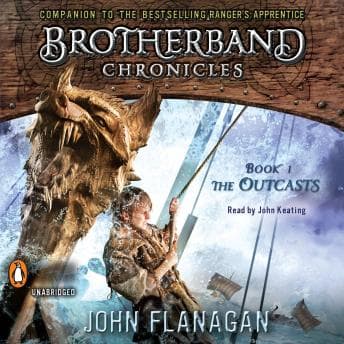
But here's the thing - John Flanagan gets it. He understands that sometimes you just want competent characters doing competent things against overwhelming odds. Will's still dealing with the aftermath of warmweed addiction from the previous book, which - props to Flanagan for actually letting consequences stick in a kids' series. The Temujai army is basically fantasy Mongols, and they're terrifying in that "we have more cavalry than you have people" kind of way.
When the D&D Campaign Gets Real
This book is basically what happens when your DM throws an entire enemy nation at your party and you have to figure out how to not die. Will's Ranger training is essentially a rogue/ranger multiclass build, and watching him apply those skills while physically weakened hits different. It's like playing a character with a debuff that won't go away.
The reunion with Halt and Horace - okay, I won't spoil it, but it's the kind of moment that made me pump my fist while walking to campus. (Got some weird looks. Worth it.) And then Flanagan immediately undercuts the happy reunion with the Temujai threat, because he's not going to let anyone breathe easy.
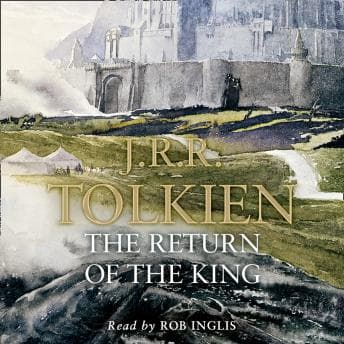
The unlikely alliance between Araluen and Skandia? Chef's kiss. Former enemies having to work together against a common threat is one of my favorite fantasy tropes, and Flanagan handles the tension really well. Return of the King pulls off the same trick with the alliance at Pelennor Fields—that sense of old grudges being set aside because the alternative is annihilation. You can feel the distrust simmering under every tactical discussion.
John Keating Nailed the Battle Chaos
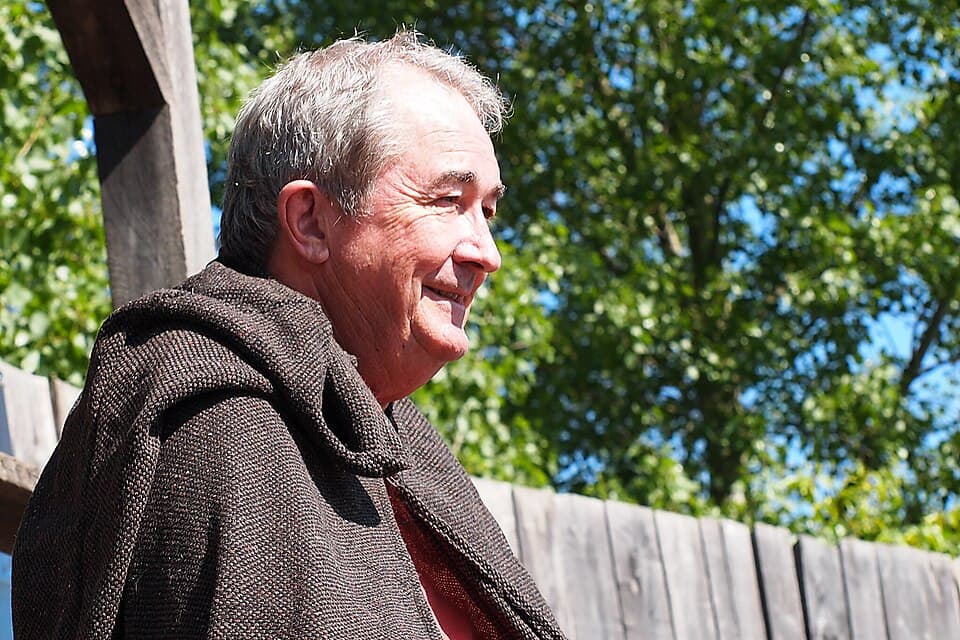
I couldn't find a ton of background on John Keating online, but based on this performance? The man knows how to narrate action. Battle scenes in audiobooks can go really wrong really fast - too slow and you lose the urgency, too fast and you can't follow what's happening. Keating threads that needle.
His character voices are distinct without being cartoonish. Halt's dry delivery lands perfectly, and you can hear the exhaustion in Will's voice when he's pushing through the warmweed withdrawal. The Skandians sound appropriately gruff without becoming parodies. It's the kind of narration that disappears into the story, which is exactly what you want.
Pacing-wise, the 9.5 hours flew by. I burned through it during a coding marathon (I was debugging, not actually making thesis progress, but still). The action sequences kept me alert, and the quieter character moments gave my brain enough breathing room to actually absorb what was happening.
World-Building That Doesn't Pause for Lectures
Flanagan does this thing where he drops world-building details casually, without stopping the story for an info-dump. You learn about Temujai tactics through watching them fight. You understand Skandian culture through how they react to crisis. It's not Sanderson-level magic systems or anything, but for a middle-grade series, it's surprisingly sophisticated. Anne of Green Gables does something similar—you absorb Prince Edward Island through Anne's eyes without ever feeling lectured at.
The friendship theme is strong without being preachy. Will, Horace, and Evanlyn have been through enough together that their bond feels earned. And Halt - Halt is just the grumpy mentor archetype done right. My D&D group would absolutely try to build a character based on him. (Actually, I think Jake already did.)
Roll for Initiative (Or Don't)
Okay, real talk - this is a kids' series. The description comparing it to Game of Thrones is... optimistic. Nobody's getting beheaded at a wedding here. But if you're an adult who enjoys YA fantasy, or you're looking for something to listen to with your kids, or you just want something fun and competent that won't make you think too hard - this delivers.
The violence is there but not graphic. War has consequences but they're handled age-appropriately. It's the kind of book I wish I'd had when I was twelve, reading fantasy novels in the back of that Georgia library.
Skip this if: you need grimdark moral ambiguity or complex political scheming. Queue it up if: you want a satisfying adventure with solid characters and a narrator who knows what he's doing.
Now if you'll excuse me, I have to pretend to work on my thesis before starting Book 5.