
What happens when your favorite mentor character gets kicked out of the organization that defines him, all because he won't abandon his apprentice?
I was supposed to be working on my thesis. Dr. Patel would probably have opinions about me spending nine hours with a YA fantasy audiobook instead of, you know, doing literally any research. But here's the thing - Ranger's Apprentice does something that a lot of "serious" fantasy forgets to do. It makes you care about the found family dynamics so much that when they're threatened, you feel it in your chest.
Halt Goes Full Dad Mode and I'm Here For It
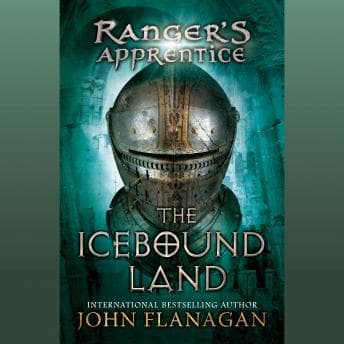
Book three splits our party in a way that actually works. Will and Evanlyn are captured, headed to Skandia on a wolfship, and Halt - stoic, rule-following Halt - basically tells the King to shove it when ordered not to pursue a rescue mission. Gets himself expelled from the Rangers. The man who built his entire identity around being a Ranger just... walks away. For Will.
If you've played D&D with a group long enough, you know this moment. That's the paladin breaking his oath because the party matters more than the code. John Flanagan doesn't oversell it either. Halt doesn't give some dramatic speech about love conquering all. He just makes the choice and deals with the consequences. That restraint hits harder than any melodrama would.
Horace Finally Gets His Arc
Meanwhile, Horace - who's been the loyal-but-slightly-dim warrior friend for two books - starts coming into his own. The dueling sequences on the road to Skandia are genuinely fun. Freelance knights keep challenging him, and Keating narrates these fights with this brisk energy that makes them feel like actual combat instead of choreographed setpieces. Horace's growing reputation becomes this running joke that never quite wears out its welcome.
My D&D group would absolutely use "Horace the Oakleaf Knight" as a character concept. Young fighter accidentally becomes legendary because he's too polite to turn down challenges? That's a campaign right there.
Keating's Got These Characters Locked In
John Keating has been narrating this series from the start, and by book three he owns these characters. His Halt has this dry, clipped delivery that makes every rare moment of emotion land. When Halt's voice softens talking about Will - you notice. Evanlyn gets this stubborn edge that distinguishes her from damsel territory. And the Skandians sound appropriately rough without descending into cartoon Viking.
The pacing is brisk - nine hours moves fast because Keating doesn't linger where he shouldn't. Fight scenes get energy. Quieter moments breathe. He's not doing anything flashy, but he's doing everything right.
The Dark Stuff (Yes, In a Kids' Book)
Here's where Flanagan does something genuinely gutsy for a middle-grade series. Will ends up addicted to warmweed - essentially a fantasy opiate that the Skandians use to control slaves. It's not graphic, but it's not sugarcoated either. Will becomes a shell of himself. Evanlyn has to watch her friend deteriorate while trying to figure out how to save them both.
For a series that started as a dad writing adventure stories for his son, this is surprisingly heavy. Battle of the Labyrinth pulls a similar move - escalating stakes in book four while keeping the emotional core intact. And it works because we've spent two books getting attached to Will. Watching him struggle isn't fun, but it matters.
The Cliffhanger Problem
Look, I need to be honest. This book ends on a cliffhanger. Not a "things are resolved but there's more to come" cliffhanger. A genuine "wait, that's it?" moment. If you're not ready to immediately start book four, you might want to have it queued up.
(I may have started book four at 1 AM instead of sleeping. Thesis? What thesis?)
Who's This Party For?
If you've been following the series, obviously keep going - this is where things get real. If you haven't started, go back to The Ruins of Gorlan first. This isn't a standalone. Skip if you need closure - that cliffhanger will haunt you without book four ready.
For new listeners: imagine Aragorn as a ranger-mentor with actual personality, training a scrappy apprentice in a world that's more grounded medieval than high fantasy. The magic system is basically "really good at being sneaky and shooting arrows," which - chef's kiss - is Sanderson-level restraint. No chosen one prophecies. Just competence and loyalty.
Parents looking for audiobooks to share with kids: this works. The warmweed subplot is handled maturely without being traumatizing. Violence exists but isn't gratuitous. And honestly? The themes about loyalty, sacrifice, and found family are worth discussing.
Natural 20 on the Emotional Damage
Nine hours well spent. Keating's narration is reliable in the best way - you forget you're listening to one person doing all the voices because it just flows. The story hits emotional beats that surprised me for a series marketed at middle schoolers. And Halt telling authority to go hang because his apprentice needs him? That's the good stuff.
Now if you'll excuse me, I have a thesis to continue ignoring.