
Nineteen Minutes of Pure Kant
I was grading sophomore essays on The Great Gatsby - the ones where they all somehow conclude that the green light represents "hope and stuff" - when I decided I needed a palate cleanser. Something to remind me why I got into this whole reading-and-thinking business in the first place. So I pulled up Kant's "What is Enlightenment?" essay, all nineteen minutes of it, and let it play while I marked another paper claiming Nick Carraway was "basically just vibing."
Best decision I made all week.
Why This Still Matters (And Why I Assigned It to Myself)
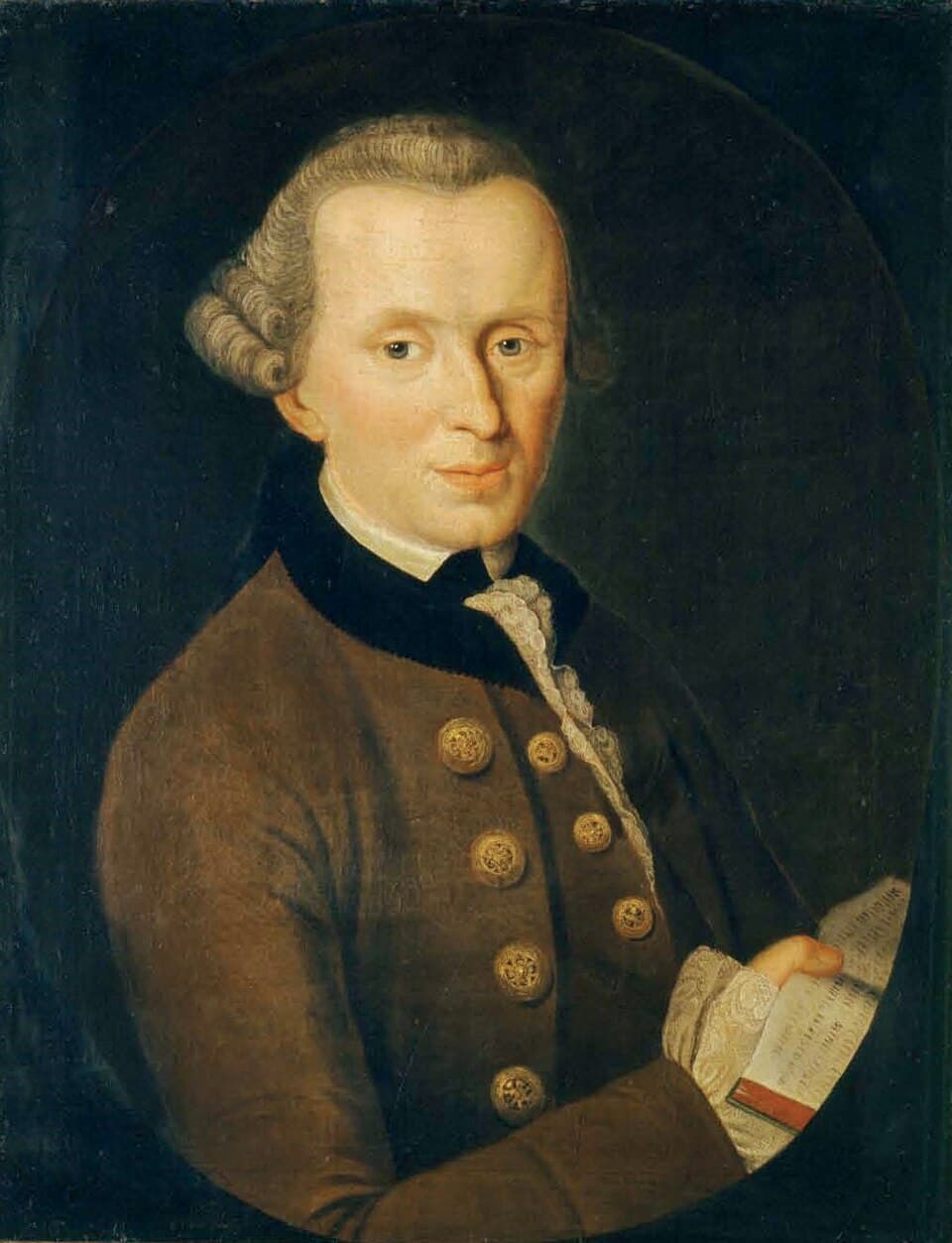
Look, I teach high school English, not philosophy. But this essay - written in 1784, mind you - hits differently when you're watching teenagers parrot whatever TikTok told them to think. Kant's whole argument boils down to this: Sapere aude. Dare to know. Have the courage to use your own understanding instead of letting someone else do your thinking for you.
This reminds me of what Hemingway said about developing a built-in, shock-proof crap detector. Kant's basically arguing that most people never develop one because it's easier to let authorities - religious, political, cultural - tell them what to believe. And here's the thing that made me pause my grading entirely: he's not even blaming the authorities. He's saying we choose to remain in what he calls "self-incurred immaturity." We like not having to think.
My students would hate this. I love it.
The Narrator Understands That Pause Is Punctuation
Michael Scott - and no, not that Michael Scott, though I did have to double-check - delivers this with exactly the right energy. Clear, measured, almost professorial without being stuffy. The prose deserves to be savored, and he seems to get that. He doesn't rush through Kant's more complex sentences, which is crucial because Kant can get dense. There's a rhythm to philosophical writing that a lot of narrators miss - they either speed through it like they're reading a grocery list or they over-dramatize every clause like they're performing Shakespeare.
Scott finds the middle ground. It sounds like a lecture, yes, but the good kind. The kind where the professor actually cares about what they're teaching and assumes you're smart enough to follow along. I couldn't find much about his other work online, but based on this performance, he's got the right instincts for academic material.
Scott brings that same measured clarity to Tao Te Ching and United States Constitution - turns out he's carved out a niche narrating foundational texts that deserve respect.
I'll be honest here - if you're looking for dramatic narration or anything resembling entertainment in the traditional sense, this isn't it. It's a philosophical essay read clearly and competently. That's exactly what it should be.
The Perfect Pre-Sleep Brain Workout
One listener called this "a pre-bedtime brain workout," and honestly? That's spot on. At nineteen minutes, it's practically a podcast episode. I finished it before I finished grading that stack of Gatsby papers. (The papers took longer. They always do.)
What strikes me about listening to Kant versus reading him is how much easier it is to follow the argument when someone else is pacing it for you. In grad school, I'd get lost in his subordinate clauses, doubling back, re-reading paragraphs. Here, Scott's delivery keeps you moving forward. You absorb the ideas without getting tangled in the syntax.
Is this cheating? I used to think so. Now I think it's just... different. The ideas land either way. And for a piece this short, the audiobook format actually works better for retention. You can't skim. You have to sit with it.
Kant's Counterintuitive Take on Freedom
The essay's core tension is between private and public use of reason - and Kant's distinction is counterintuitive. Private reason, for him, is what you use in your job or official role. Public reason is what you use as a scholar addressing the world. He argues you can limit the first (a soldier must follow orders) but never the second (that same soldier can write critically about military policy).
Nietzsche would later blow past these careful distinctions entirely in Beyond Good and Evil, but there's something I appreciate about Kant's pragmatism here.
It's a compromise position, and you can feel Kant threading the needle between radical freedom and political reality. He's writing under Frederick the Great, after all. There's something almost subversive about how carefully he makes his case.
Worth pausing the faculty meeting for? Absolutely. (Sorry again, Principal Martinez.)
Who Should Listen (And Who Should Skip)
If you've never read Kant and you're curious, this is a perfect entry point. It's short, it's accessible by his standards, and it tackles ideas that genuinely matter. Philosophy enthusiasts will appreciate having it in audio form for easy revisits. Anyone frustrated by how easily people outsource their thinking to algorithms and influencers will find Kant's 240-year-old argument uncomfortably relevant.
Skip it if you want narrative, drama, or anything longer than a coffee break. This is pure ideas, delivered cleanly.
I'm adding this to my rotation - the essays I return to when I need to remember why thinking matters. Nineteen minutes well spent. Now back to explaining why the green light is more than "hope and stuff."