
What happens when you stumble across a primary source document that makes you realize how little you actually learned in school?
I was stuck in the waiting room at the VA - routine appointment, nothing exciting - and figured I'd knock out something short from my backlog. At 91 minutes, this seemed perfect. What I got was a gut-check from 1837 that hit harder than I expected.
These Women Had More Tactical Clarity Than Most Generals
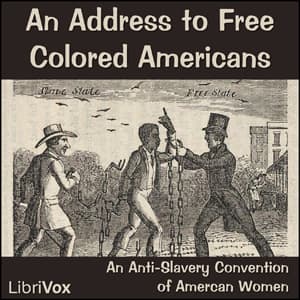
Let me cut to the chase: this isn't a book in the traditional sense. It's a historical document - the actual address produced by the first Anti-Slavery Convention of American Women in 1837. Mary Parker, Lucretia Mott, the Grimké sisters, Lydia Maria Child. Names I vaguely remembered from some forgotten history class, but hearing their actual words? Different ballgame entirely.
The language is formal, obviously - we're talking 19th century prose here. But underneath that formality is something I recognize from my years in uniform: mission clarity. These women knew exactly what they were fighting for and against. They laid out their objectives, identified their obstacles, and called their own country "guilty" without flinching. That takes a particular kind of courage that doesn't change across centuries.
What struck me most was the direct address to free Black Americans. Not speaking about them - speaking to them. As allies in a shared fight. In 1837. Twenty-four years before Fort Sumter. The strategic thinking here was ahead of its time.
LibriVox: You Get What You Pay For (And That's Not Always Bad)
Here's where I have to be straight with you. LibriVox is volunteer-produced, which means the production quality varies. No Hollywood narration here. The readers are earnest, clearly passionate about the material, but you're not getting Tim Gerard Reynolds or Steven Pacey. The audio is clean enough, no major technical issues, but don't expect theatrical performance.
Honestly? For a document like this, I think that's fine. Maybe even appropriate. This isn't entertainment - it's history. Having it read clearly and respectfully serves the purpose. I'd rather have dedicated volunteers who understand the significance than a polished narrator who treats it like just another gig.
(Ranger looked up at me twice during this one. He usually ignores the political stuff. Make of that what you will.)
The Problem With Primary Sources
I'll be honest about the limitations. This is short - under two hours - and it's dense 19th century prose. If you're expecting narrative flow or character development, wrong address. This is a convention document. It reads like what it is: a formal statement of purpose and a call to action.
The pacing is... well, there isn't pacing in the traditional sense. It's a document being read aloud. You're not going to get cliffhangers or plot twists. What you get is a window into a specific moment in American history, unfiltered by modern interpretation.
For some listeners, that's going to feel dry. I get it. But I've read enough after-action reports and operational orders to appreciate documents that say exactly what they mean without dressing it up.
Who Should Deploy This One
If you're a history buff who wants primary sources rather than someone else's interpretation - this is your lane. If you're interested in the roots of both the abolitionist and women's rights movements, essential listening. Short enough to knock out in a single commute or workout session.
Skip it if you need narrative structure or entertainment value. This isn't that kind of listen. Also skip if 19th century formal prose makes your eyes glaze over - no shame in that, it's not for everyone.
Students, teachers, anyone writing papers on antebellum reform movements - this is primary source material you can absorb while doing other things. That's valuable.
Mission Debrief
This is a historical document, not a story. It's free (LibriVox), it's short, and it's the actual words of women who were fighting a righteous fight before it was safe or popular to do so. I found that same kind of raw authenticity in Prince - another LibriVox recording where the unpolished delivery actually serves the material. The production is basic but functional. The content is significant.
I've seen plenty of people talk about fighting for what's right. These women actually did it, in writing, with their names attached, in 1837. That deserves respect, even if the listening experience isn't going to win any audio drama awards.
The women who wrote this clearly knew what they were doing - because they were living it. Sometimes that's worth more than polish.




![Steve Jobs [unabridged audiobook] audiobook cover](/_next/image?url=https%3A%2F%2Fcovers.audiobooks.com%2Fimages%2Fcovers%2Ffull%2F9788499923406.jpg&w=1920&q=75)