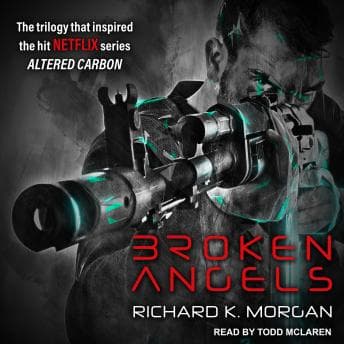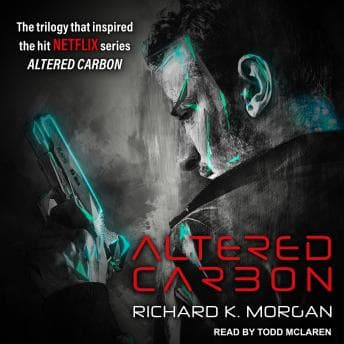

Look, I was supposed to be debugging a procedural terrain generation algorithm for my thesis this week. (Dr. Patel, if you're reading this... no you're not.) Instead, I spent 17 and a half hours listening to Richard K. Morgan's Altered Carbon. And honestly? Zero regrets. The terrain can wait. Takeshi Kovacs cannot.
The Ultimate Cloud Backup (With Consequences)
Here's the pitch: Imagine if you could git push your consciousness to a server and download it into a new body whenever your current hardware fails. That's the world of Altered Carbon. It's basically D&D resurrection magic but monetized by mega-corporations.
The world-building here is absolutely gnarly. Dense. We're talking Sanderson-level complexity but applied to a cyberpunk dystopia where death is just a minor inconvenience for the rich and a tragedy for the poor. Speaking of Sanderson, Rhythm of War has that same layered world-building density, though obviously with less existential dread about consciousness uploads. As a guy who spends his life staring at code, the concept of the "cortical stack"—a hard drive for your soul—is both the coolest and most terrifying thing I've ever heard of. Morgan doesn't hold your hand, either. He drops you straight into Bay City (future San Francisco, but grimmer) and expects you to keep up.
McLaren's Rain-Soaked Delivery
Let's talk about the voice in my ear. Todd McLaren. I hadn't listened to him before, but the guy gets it. He sounds like he's been smoking cigarettes in the rain since 2384. He nails that hardboiled, cynicism-dripping detective vibe that makes noir work. His Takeshi Kovacs is tired, dangerous, and sharp.
However—and I gotta be real here because we're friends—the audio production isn't pristine. There were a few moments where I heard audible clicks or weird edits. Like someone bumped the mic or pasted in a retake a little too aggressively. For a production nerd, it's a tiny bit distracting. But McLaren's performance is strong enough that I stopped caring after hour two. He does distinct accents for the different sleeves and characters, which is crucial because body-swapping plots can get confusing fast.
Slow Burn Mystery, Not a Fast-Twitch Shooter
This isn't a run-and-gun thriller. It's a slow burn. A mystery wrapped in a sci-fi casing. Iron Gold has that same deliberate pacing—more political intrigue than action sequences, which I know isn't everyone's jam. The investigation layers on top of itself like bad legacy code. I loved it, but if you're looking for non-stop explosions, you might zone out during the philosophical conversations about what it means to be human.
Also, fair warning: the sex scenes are... extensive. (And frankly, a little awkward to listen to while grocery shopping. Just me? Okay.) There's a lot of "male gaze" energy here, which fits the noir trope, but it drags on a bit. Some people might skip those parts. I just powered through, mostly because I didn't want to miss a plot point hidden in the pillow talk.
Who's Gonna Love This (And Who Should Bounce)
If you dig cyberpunk noir, dense world-building, and philosophical sci-fi that makes you question identity—this is your jam. Skip it if you need fast pacing, can't handle graphic violence and sex, or hate being dropped into complex worlds without a tutorial.
Stack It or Trash It?
This book is a mood. It's dark, it's violent, and it makes you question the nature of identity. Definitely worth ignoring my thesis for a few more days.